

Grain moves in its own wagons, soy prices decline: three signals for agro-logistics and processing - AgroPost
In early June, several news items from the Ukrainian agro-sector highlighted the shifting focus of the market: companies are investing in their own logistics, processors are expanding infrastructure, and raw material quality is becoming a key factor in pricing.
For agricultural producers, this is a practical signal: the value of a ton of product today is determined not only by the basic market price but also by the ability to quickly reach the buyer, undergo processing, and meet processing requirements.
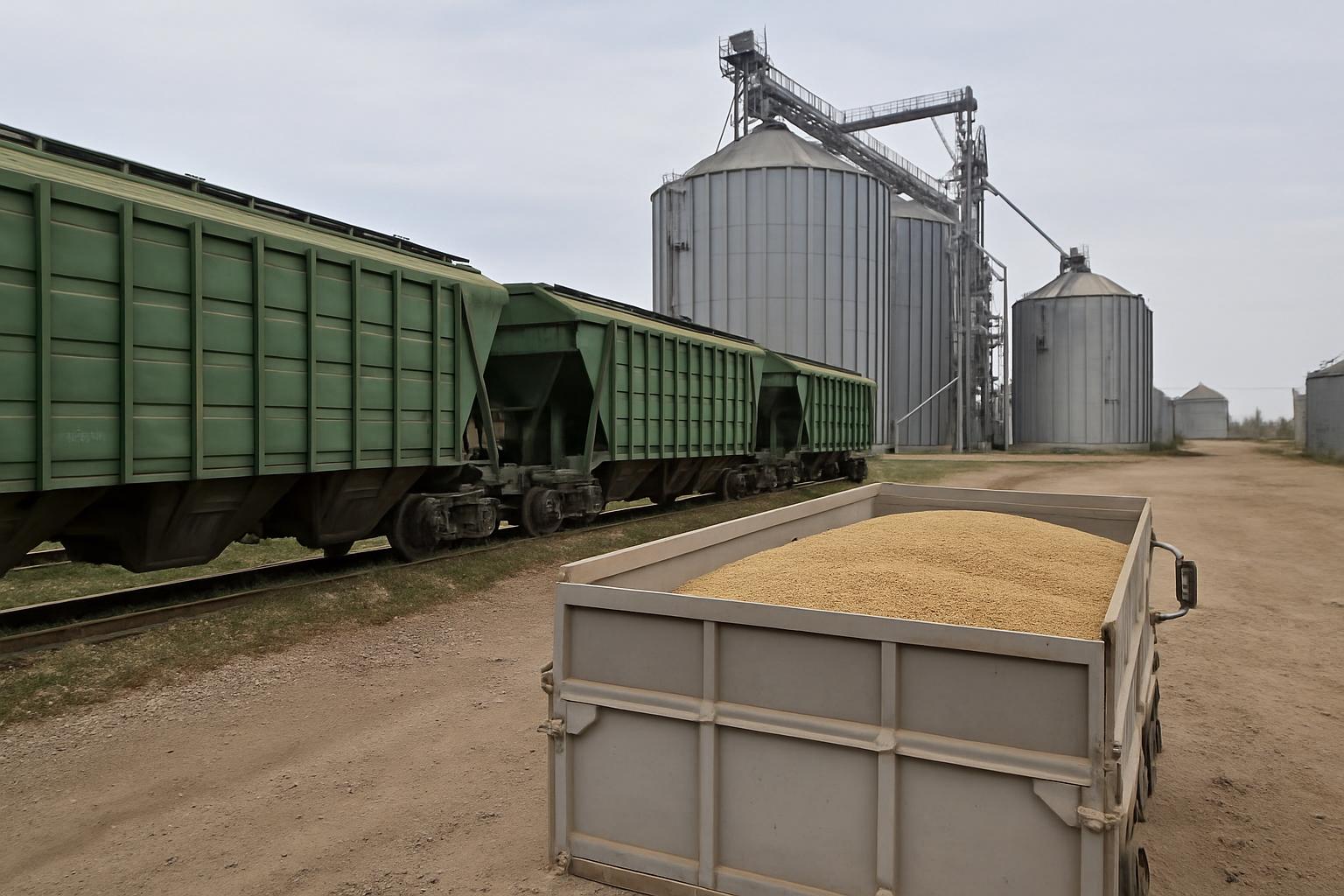
"Continent" increased its grain wagon fleet to 350 units
"Continent Farmers Group" has expanded its own railway fleet by an additional 100 grain wagons. Following this purchase, the company's fleet now totals 350 wagons.
New hopper wagons have a capacity of 116 m³ and a load capacity of up to 70.5 tons. This rolling stock is focused on transporting the main crops cultivated by the company.
The development of its own railway logistics began in 2024, when the company acquired its first 250 grain wagons. In 2025, "Continent" transported over 1.5 million tons of grain by rail within Ukraine and the EU, with some volumes carried in its own wagons.
The company operates in five western regions of Ukraine and manages 195,000 hectares. For such scale, owning a wagon fleet can be a tool for better planning of shipments and cost control, especially during peak season periods.
Soy quality has become a separate pricing risk
This season, the soy market highlights the so-called "spring" soy — batches harvested in winter or spring. Market participants estimate that such raw materials are sold at significant discounts.
Among the issues cited by processors and traders are increased peroxide levels, mycotoxin risks, and darker meal after processing. As a result, large feed raw material consumers may be more cautious about products from such batches.
Traders estimate that farmer losses on "spring" soy can exceed 4,000 UAH/ton. This amount includes not only direct discounts but also adjustments for contamination, weight loss, and separation costs.
One market example: with a base price of 22,000 UAH/ton for quality soy, a processing plant can immediately impose a penalty of at least 1,000 UAH/ton just for the "spring" status. The price is further adjusted based on moisture and impurity levels.
Processing in Chernihiv region adds silo capacity
A plant in Chernihiv region, processing soy and sunflower seeds, has completed the third phase of its expansion project.
Within this phase, two silos with a capacity of 2,000 m³ each have been installed, along with chain conveyors and a set of gravity equipment. The equipment was supplied by KMZ Industries.
The cooperation between the parties has been ongoing since 2021. During this period, five silos with a capacity of 2,000 m³ each have been manufactured for the enterprise.
For processors, additional storage is not only about raw material reserves. It also provides greater opportunities to separate batches by quality, manage blending, and work more stably with contracts.
Key conclusions for agricultural producers
- Own logistics becomes a competitive advantage. Large producers are investing in wagons to have more control over shipments.
- Soy quality directly affects final income. Discounts are formed not only based on batch origin but also on specific moisture, impurity, and processing suitability indicators.
- Post-harvest processing becomes more expensive due to field and storage errors. If a batch requires cleaning or blending, this affects weight and price.
- Processors are investing in infrastructure. Silos and transport equipment help work more flexibly with different raw materials.
Implications for the market. The Ukrainian agro-sector is moving towards greater technological integration in logistics and processing, but at the same time, the market is more strictly penalizing poor quality. For producers, the key upcoming seasons will focus on three main aspects: controlling harvest timing, ensuring quality processing, and reliable logistics access.
Comments
No comments yetNo comments yet - be the first.