
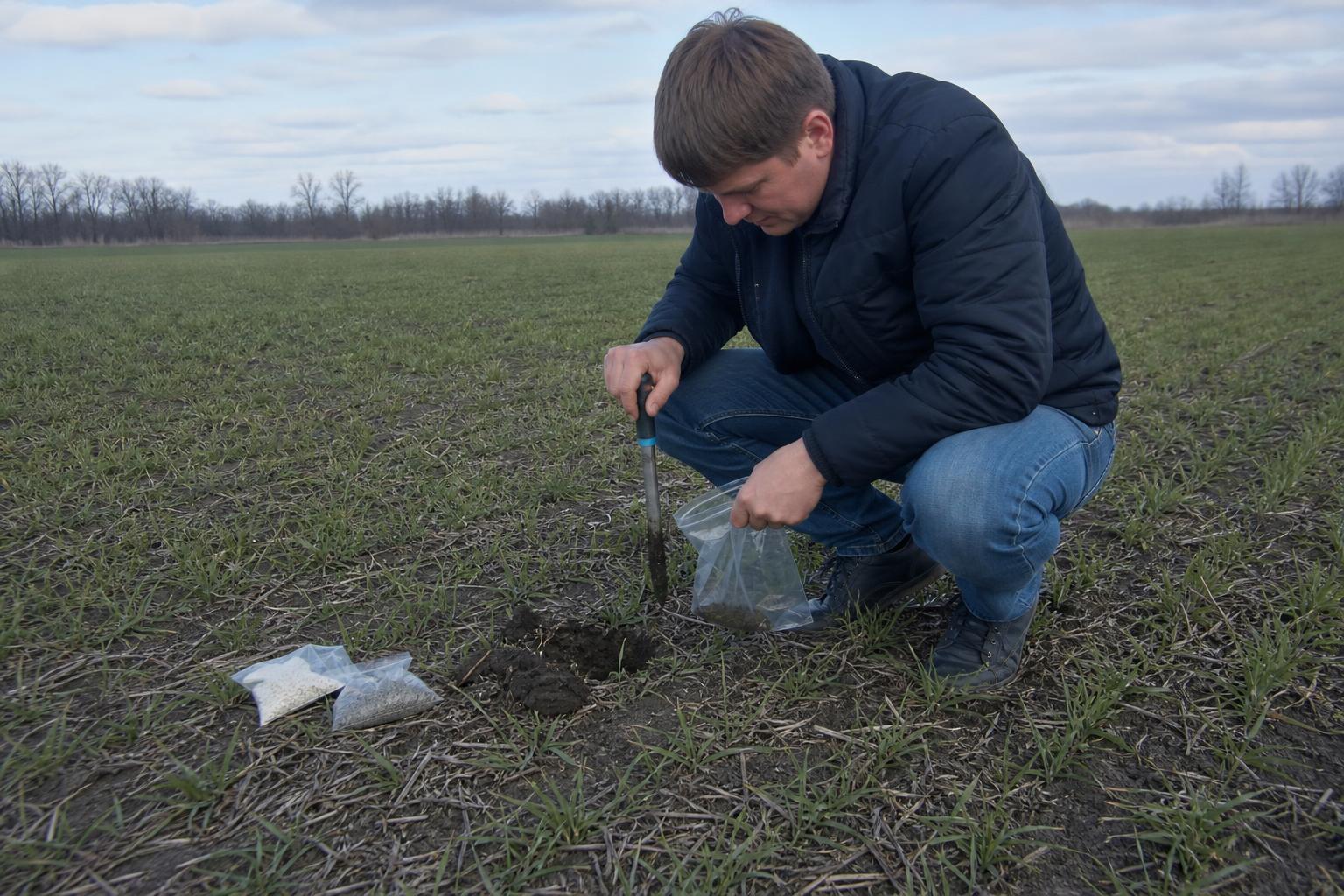
When planning to grow niche crops, farmers should start by assessing the field rather than choosing a fertilizer. Soil acidity, salinity and the availability of specific nutrients can affect nutrient uptake and the effectiveness of fertilizer applications.
According to a Ukravit specialist, basic soil tests help determine which indicators may need further investigation. For buyers, this is a practical way to avoid purchasing fertilizer based on a one-size-fits-all plan; for sellers on AgroPost, it makes it easier to describe products clearly by composition and intended use.
Where to start when assessing a field
The first step is to check pH, specifying the measurement method, organic matter or humus content, available phosphorus and potassium, as well as calcium and magnesium. Sulfur can be added to the basic list if needed.
The results then indicate whether further testing is required. For acidic soils, this may include testing for mobile aluminum and manganese; for calcareous soils, carbonate content and micronutrient availability. If salinity is suspected, assess electrical conductivity, salt composition and sodium status.
Crop requirements vary
Chickpeas and lentils can fix nitrogen symbiotically under favorable conditions, but this does not eliminate the need to assess the field’s supply of other nutrients. According to Ukravit, phosphorus and soil salinity and sodium status are important considerations for chickpeas; in sodic soils with a pH of 8.5 or higher, the formation of nitrogen-fixing nodules may be impaired.
For oilseed flax, soil acidity and the availability of phosphorus, calcium and magnesium are important. For mustard, specialists recommend checking pH, phosphorus, calcium and sulfur, as well as the potential presence of toxic aluminum concentrations. For coriander, carbonate content, iron, zinc and manganese availability, and the risk of salinity are all relevant.
How to use soil test results when buying fertilizer
Once laboratory results are available, farmers can compare the identified constraints with the composition of the fertilizers they are considering. Soil test results are not a universal application rate: product and rate decisions should take into account the crop, field and growing practices.
- Buyers: Before placing an order, check the product’s nutrient composition and forms, and compare them with the soil test results.
- Sellers: Include the product’s composition, packaging and available product information in your offer so farmers can compare options.
- Both parties: Do not substitute general crop recommendations for a laboratory assessment of the field.
What this means for the market
Demand for specific fertilizer products depends not only on the crop but also on the characteristics of individual fields. More precise testing helps farms make better-informed requests and enables sellers to offer fertilizers with clearly stated compositions. Before purchasing, it is important to check that the product meets the needs identified by the soil test.
Comments
No comments yetNo comments yet - be the first.