
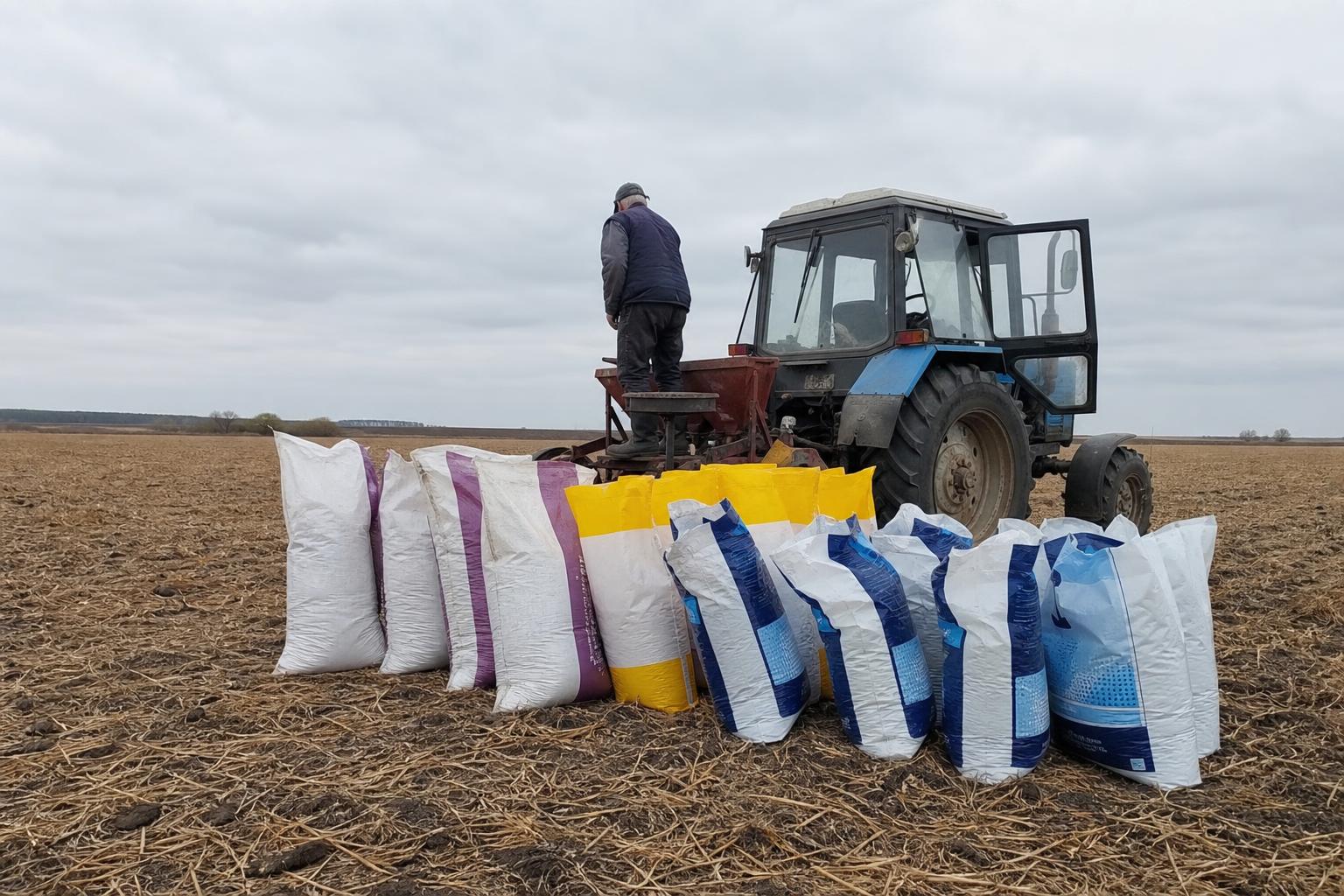
Autumn planting in Ukraine is entering a practical phase: farmers are preparing soil for winter cereals and continuing sowing winter rapeseed. For the fertilizer market, this period involves demand formation not only based on price but also on the availability of required formulas, delivery speed, and flexible payment terms.
There is no specific data on current fertilizer prices from available sources. However, field and logistics signals provide vendors and buyers with guidance: fertilizer procurement should now be planned according to specific crops, application timings, and the financial stability of the farm.
Sowing creates seasonal demand for NPK and nitrogen
As of September 4, Vinnytsia region farmers have already sown winter rapeseed on 105,000 hectares, which is 85% of the forecasted area. Simultaneously, farms are preparing soil for winter cereals.
This signals to fertilizer sellers to focus on products for initial crop nutrition, primarily comprehensive NPK solutions and nitrogen fertilizers for subsequent technological stages. For buyers, the key issue is to avoid purchasing 'just in case' without considering crop specifics, soil analysis, and application timing.
In Poltava region, sowing of winter rapeseed and rye has also begun. This confirms that demand for fertilizers during the autumn campaign has a regional character and is not limited to a single cluster.
Buckwheat, soy, rapeseed: crop structure influences procurement calendar
In Vinnytsia, harvesting of cereal crops continues: buckwheat has been harvested on 18% of the area with an average yield of 15.9 c/ha, millet on 82% with an average yield of 37.8 c/ha. Early soybean varieties have also begun harvesting: 5.4 thousand hectares, or 5% of the area, with an average yield of 20.9 c/ha.
This is important for the fertilizer market in terms of procurement scheduling. Some farms are simultaneously completing harvest, preparing fields for winter crops, and planning fertilization for subsequent crops. Under these conditions, local availability, packaging, small batch delivery, and clear shipment deadlines become increasingly significant.
Buyers on AgroPost should specify crop, area, active substance needed, desired delivery time, and payment method in their listings. Sellers should clearly indicate whether the product is in stock in Ukraine or available for order.
Grain logistics may influence cautious spending
An additional background factor for the agrochemical market is the situation with grain export logistics. Estimates suggest that prolonged blockage of Black Sea exports could prevent Ukraine from exporting about 24 million tons of grain and result in over $5 billion in lost potential export revenue.
In August 2026, grain exports totaled 981 thousand tons, which is 2.5 times less than in the same month last year. Specifically, 605 thousand tons of wheat, 306 thousand tons of corn, and 69 thousand tons of barley were exported.
For fertilizer sellers, this means clients may become more cautious about price, payment delays, and minimum order quantities. For buyers, it’s advisable to compare not only the price per ton but also the total purchase cost including delivery, storage conditions, and the risk of delays.
Key conclusions for AgroPost participants
- Demand is concentrated around autumn planting. Active sowing of winter rapeseed and soil preparation for winter cereals support interest in NPK and nitrogen fertilizers.
- Local availability is as important as price. During intense fieldwork, buyers seek supply without unnecessary delays.
- Financial terms can become a competitive advantage. Amid grain logistics risks, farmers may prefer sellers offering flexible batch sizes and clear payment conditions.
- Listings should be specific. Fertilizer name, formula, packaging, region of warehouse, delivery and payment terms increase trust in the offer.
Implications for the market: The Ukrainian fertilizer market is entering a short but active autumn period, where sellers with real stock, quick logistics, and transparent conditions will have an advantage. Buyers should plan purchases based on technological needs rather than solely on the lowest advertised price.
Comments
No comments yetNo comments yet - be the first.