
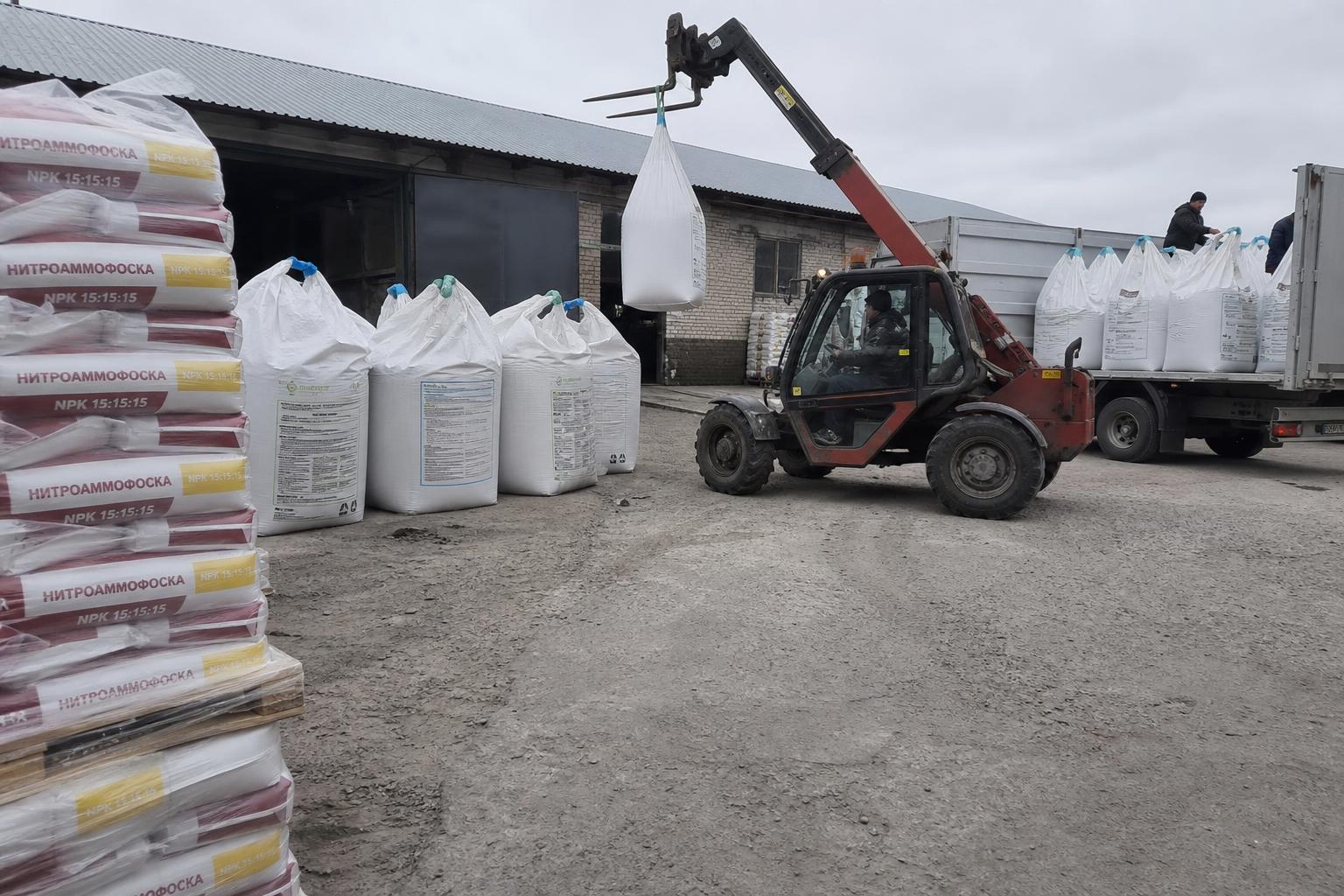
The Ukrainian fertilizer market is entering a period where purchasing decisions increasingly depend on farm liquidity and logistics availability. For buyers, it is important not only to find favorable offers for nitrogen, NPK, or other agrochemicals but also to finance the batch on time and receive it before peak application periods.
Against this backdrop, new credit conditions for farmers under portfolio state guarantees and negotiations to expand transportation through Romania are significant signals for fertilizer market participants. While they do not directly set prices, they influence the ability to purchase, reserve volumes, and plan deliveries.
Credit support can bolster fertilizer procurement
The Cabinet of Ministers has simplified farmers' access to loans backed by portfolio state guarantees. Until September 1, 2027, producers will be able to apply for such loans even if they have overdue debt of up to 60 days within the previous 120 days, provided it is settled before obtaining a new loan.
This is important for the fertilizer market due to seasonal purchasing patterns. Farms often require significant working capital just before sowing or during fertilization. Easing these conditions could expand the circle of buyers who return to planned purchases instead of postponing decisions until the last moment.
Fertilizer sellers on AgroPost should consider that demand may be sensitive to banking decisions. A practical approach is to offer buyers clear terms regarding minimum order quantities, reservation periods, prepayment, and delivery to facilitate quicker financing arrangements.
Logistics via Romania remains a factor for imports and supplies
Ukraine and Romania have agreed to support the daily transfer of six train pairs to the Constanta port. The Romanian side also plans to accelerate repairs of port and railway infrastructure to increase capacity to 10 train pairs per day.
For the agrochemical market, this is significant as part of the overall logistics picture. Even if a specific batch of fertilizers does not go through Constanta, additional capacity on regional routes can reduce pressure on alternative directions and improve transportation predictability.
Separately, parties are discussing additional use of the Galați and Brăila ports for Ukrainian cargo, as well as operations of the Sulina Canal. Ukraine expects a throughput of at least 10 ships inbound and 10 outbound daily. These decisions are critical for all cargo flows where delivery deadlines and logistics costs are vital.
What fertilizer buyers should do
- Plan purchases earlier. If the farm relies on credit funds, it is advisable to clarify bank requirements and application review timelines in advance.
- Compare not only price per ton. Packaging, stock availability, payment terms, shipping geography, and delivery times are also important in proposals.
- Document key conditions in writing. For large fertilizer batches, agree on reservation periods, payment procedures, responsibility for delays, and quality certificates.
- Assess needs based on crops. Nitrogen fertilizers, NPK, and specialty products have different seasonal demand patterns, so procurement calendars should align with crop management plans.
What sellers on AgroPost should consider
For fertilizer sellers, the current situation requires more flexible communication with buyers. Farmers may have demand but wait for credit approval or clarify their cash flow after product realization.
Listings with clear information about fertilizer type, composition, available volume, shipping region, delivery options, and quality documents will have an advantage. For NPK, it is especially important to specify the formula; for nitrogen products, the nitrogen form, packaging, and storage conditions are critical.
If a seller can work with partial prepayment, deferred payments, or staged shipments, it should be indicated immediately. Such details help buyers compare offers more efficiently and make decisions faster.
What this means for the market: In the near future, Ukraine's fertilizer market will depend not only on price offers but also on farmers' access to financing and logistics stability. Buyers should reserve necessary volumes early, and sellers should make proposals as transparent as possible to avoid losing clients during the pre-sowing period.
Comments
No comments yetNo comments yet - be the first.