
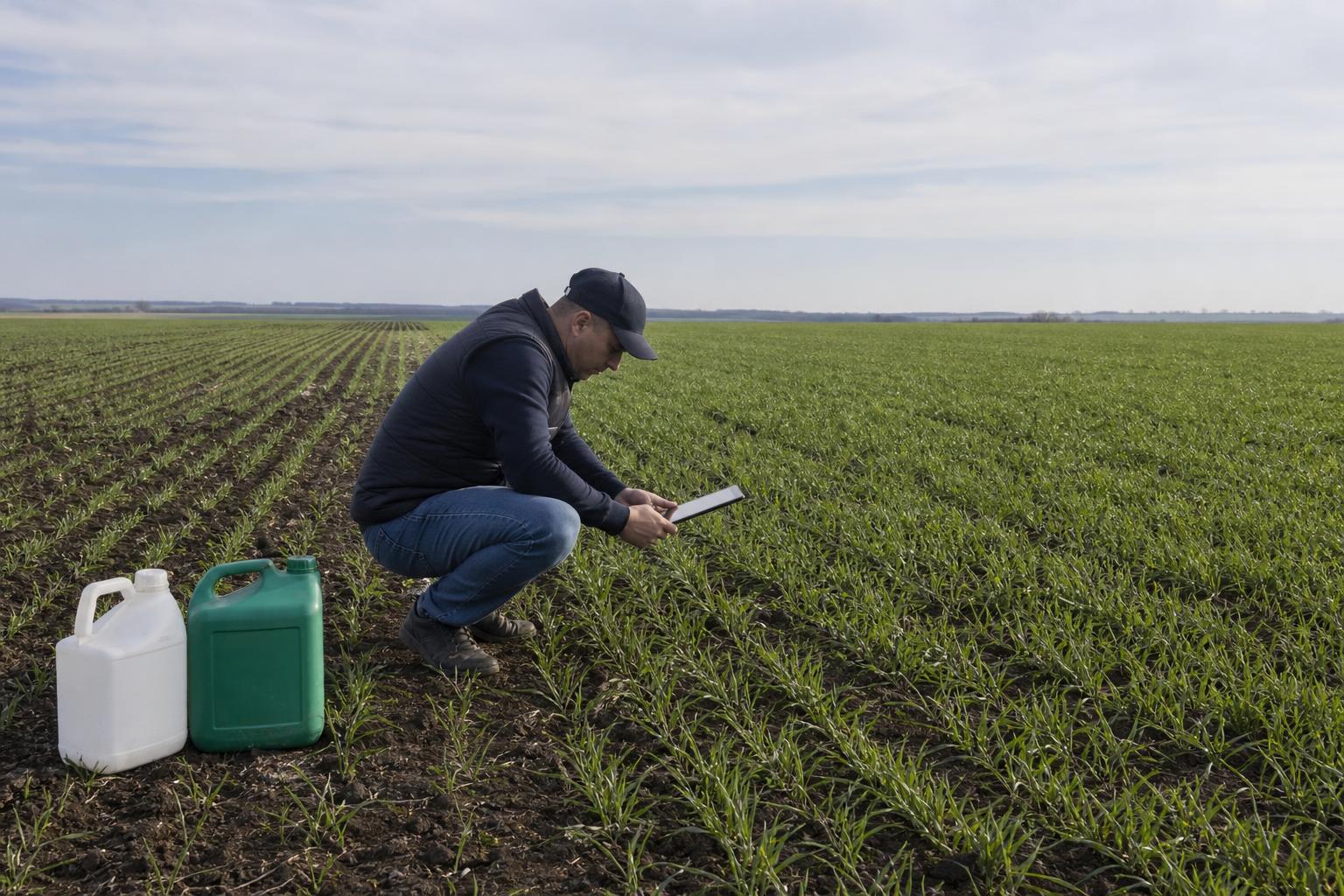
The autumn sowing campaign for the 2027 harvest is already setting the tone for the plant protection market. The first to enter active phase are winter rapeseed and wheat, along with increased needs for seed treatments, soil and protective herbicides, insecticides, and fungicides.
For agrochemical suppliers, this period signifies a rapid increase in demand for specific crop protection products. For farmers, it’s a crucial time to assess existing stocks, sowing schedules, and field conditions to avoid over-purchasing and ensure availability of necessary products during peak periods.
Winter Crops Support Seasonal Demand for Protection
The sowing campaign for winter crops for 2027 has already begun in the Prykarpattia region. According to regional authorities, in 2026, they plan to sow 56.8 thousand hectares of winter grains.
The largest share is allocated to winter wheat — 46.5 thousand hectares. Plans also include 9 thousand hectares for winter barley and 1.3 thousand hectares for rye. Sown area for winter rapeseed is expected to remain at last year’s level — 23.6 thousand hectares.
As of early September, 15.1 thousand hectares of rapeseed have already been sown in the region, representing 64% of the forecasted area. Winter wheat has been sown on 4.9 thousand hectares, which is 11% of the plan.
For the protection market, this indicates that demand is shifting from planning to actual procurement. Segments tied to sowing and early crop development phases respond most quickly.
Which Groups of Plant Protection Products Are in Focus This Fall
During the sowing period for winter grains and rapeseed, farmers typically review their stock of seed treatment and crop protection products. Priority is given to solutions that help reduce risks during early vegetative stages.
- Seed treatments — a fundamental product for winter grains, especially under tight sowing schedules.
- Herbicides — relevant for controlling weeds in rapeseed and grains, considering crop stage and soil moisture conditions.
- Fungicides — generate demand among farms establishing disease protection from autumn onwards.
- Insecticides — necessary where there is a risk of pest damage to seedlings, particularly in early sowings.
Buyers should pay attention not only to price but also to product registration for specific crops, active ingredients, stock availability, and delivery options.
Weather and Sowing Timing Influence Protection Decisions
In western regions, climate shifts toward warmer and drier periods are observed. However, traditional sowing timeframes for winter crops are currently maintained.
This means that protection schemes should be adapted to actual field conditions. In cases of moisture deficiency, some herbicide solutions may require careful selection, and early sowings could remain at higher risk of autumn pest pressure for longer periods.
For sellers on AgroPost, it is advisable to clearly specify crop, application stage, formulation, packaging, and availability. Seasonal demand favors listings where buyers can quickly determine if a product suits winter wheat, rapeseed, or barley.
Key Market Participants’ Conclusions
- The start of the autumn sowing campaign already supports demand for plant protection products for winter rapeseed and grains.
- Immediate buyer interest centers around seed treatments, herbicides, fungicides, and insecticides.
- Regional crop structure is important for planning product range: the highest demand is expected for winter wheat and rapeseed.
- Weather conditions may alter protection priorities, so universal offers should be complemented with precise application descriptions.
Implications for the market: The autumn season for plant protection products is entering an active phase alongside sowing. Buyers should proactively secure products for specific crops, and sellers should update their listings on AgroPost, highlight available positions for rapeseed and wheat, and clearly specify sale conditions, packaging, and delivery options.
Comments
No comments yetNo comments yet - be the first.