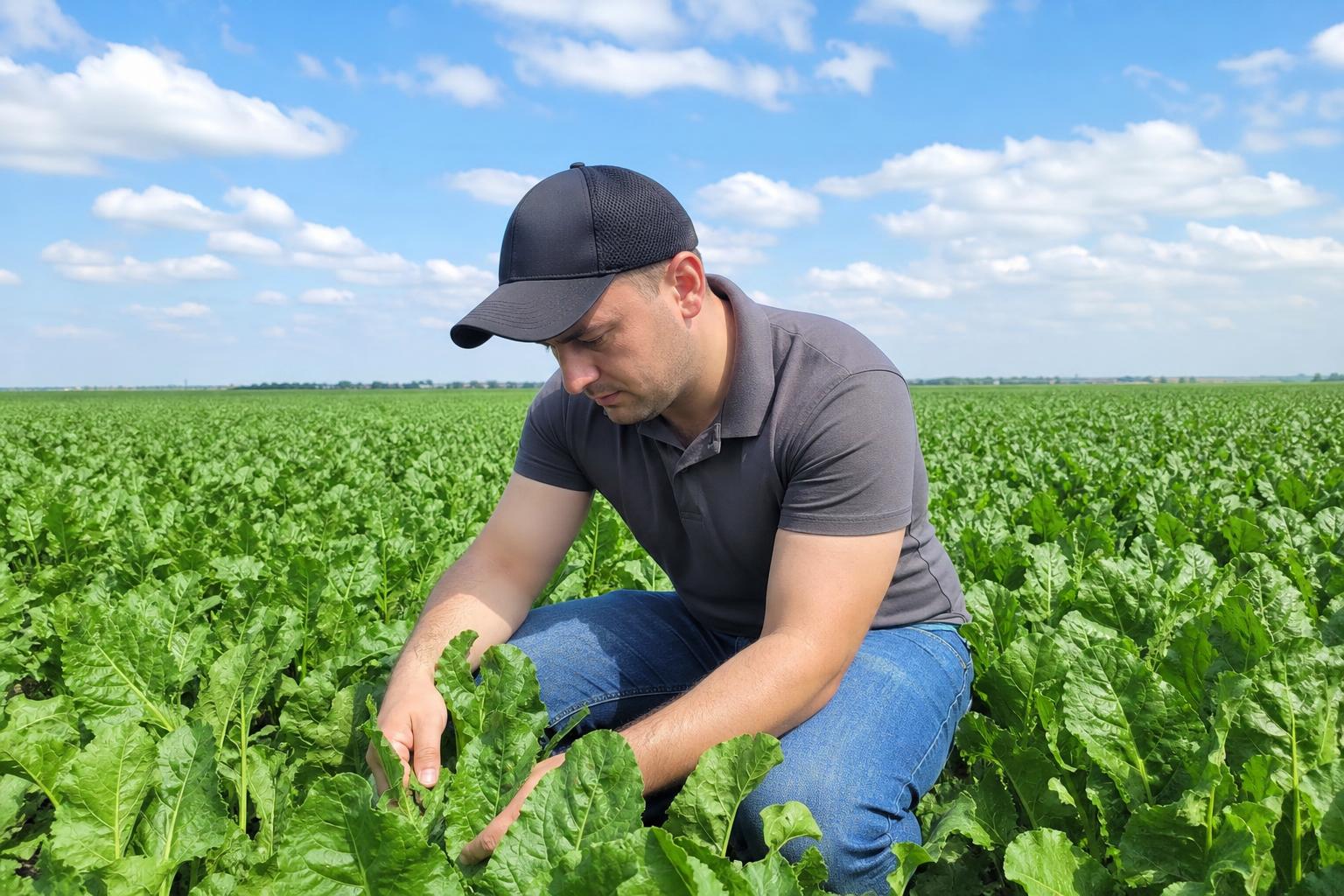
Provided sources lack verified information on plant protection products, pesticides, herbicides, fungicides, or crop protection practices. Publishing in the 'Plant Protection' category is risky without confirmed facts.
Purchasing plant protection products can impact an agricultural enterprise's tax calculations. It's essential to verify documents, payment terms, and procurement effects on working capital before finalizing deals.
Provided sources lack information on plant protection products, pesticides, herbicides, fungicides, or crop protection practices. Preparing a market article without unverified claims is impossible.
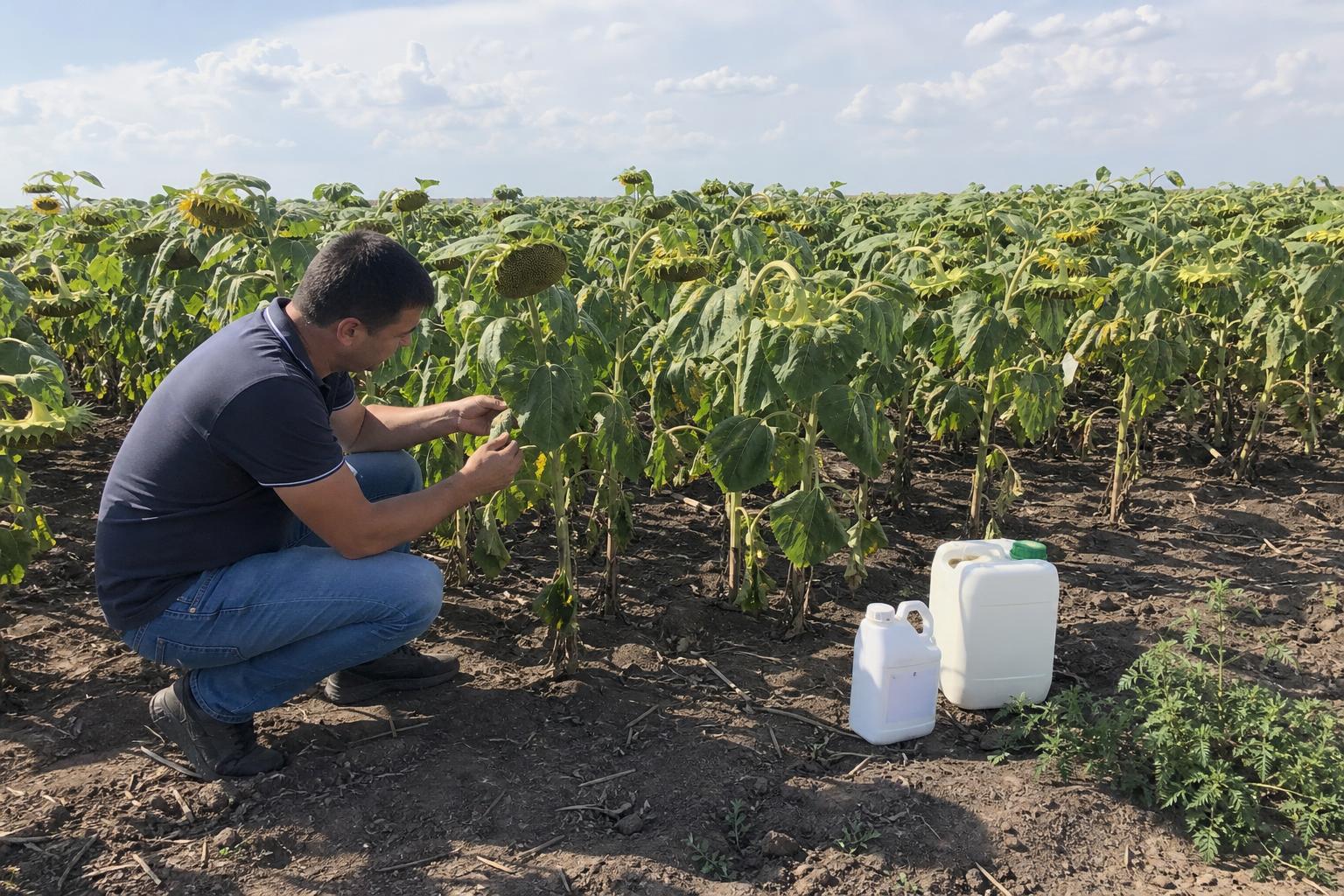
Some producers report sunflower fields with minimal sclerotinia damage and normal acidity levels. This signals a shift towards precise solutions: fungicide monitoring, quality diagnostics, and tailored treatments.
Government changes to portfolio state guarantees facilitate farmers' access to credit. This is important for the crop protection market ahead of planning herbicide, fungicide, and other product purchases, although direct price data on crop protection products are unavailable.
For sellers and buyers of crop protection products, careful planning of supplies is crucial: agro-logistics operates under restrictions on certain roads, competition for transport capacity, and risks in the Black Sea region.
The rapeseed market shows mixed signals: prices in Ukraine are declining, seed exports to the EU have decreased, but supplies of rapeseed oil and meal have significantly increased. Buyers and sellers of agrochemicals need to plan budgets carefully, focus on economically justified protection schemes, and ensure clear communication about products.
The pesticide market enters the planning season without clear price signals but with notable benchmarks: EU integration rules enhance transparency requirements, while oilseed processing highlights key crops for agribusiness.
Autumn demand for herbicides, fungicides, and other plant protection products is shaped not only by agronomy but also by farm liquidity. High barley stocks, weaker exports, and organic producers' grant support create different procurement scenarios for conventional and organic farms.
Recent data on soil granulometry across Ukraine's natural zones show that there is no one-size-fits-all crop protection scheme. Buyers and sellers should pay close attention to soil type, moisture, crop phase, and product regulations.
The EU is moving towards tightening controls over pesticide residues in imported agricultural products. Ukrainian producers need to pay closer attention to active substances, application logs, laboratory analyses, and batch traceability.
Ukrainian farms are revising crop structures for processing, oilseed cultivation, and more efficient logistics. This leads to more precise planning of herbicides, fungicides, and seed treatments tailored to specific crops and timings.
Enter your email and we will send a password reset link.
Don't have an account?
Help improve AgroPost?
With your consent, Google Analytics measures navigation and listing steps. The service does not start without consent. The site works without it.
What we collect and how to change your choice
We send category, language, step number and whether an error or save occurred, not entered values, phone numbers, email addresses or listing text. Your choice is stored in this browser for up to 180 days. Advertising tracking stays disabled.
Use Analytics settings to change your choice. Withdrawing consent reloads the page to stop already loaded services: save any unfinished form first.