
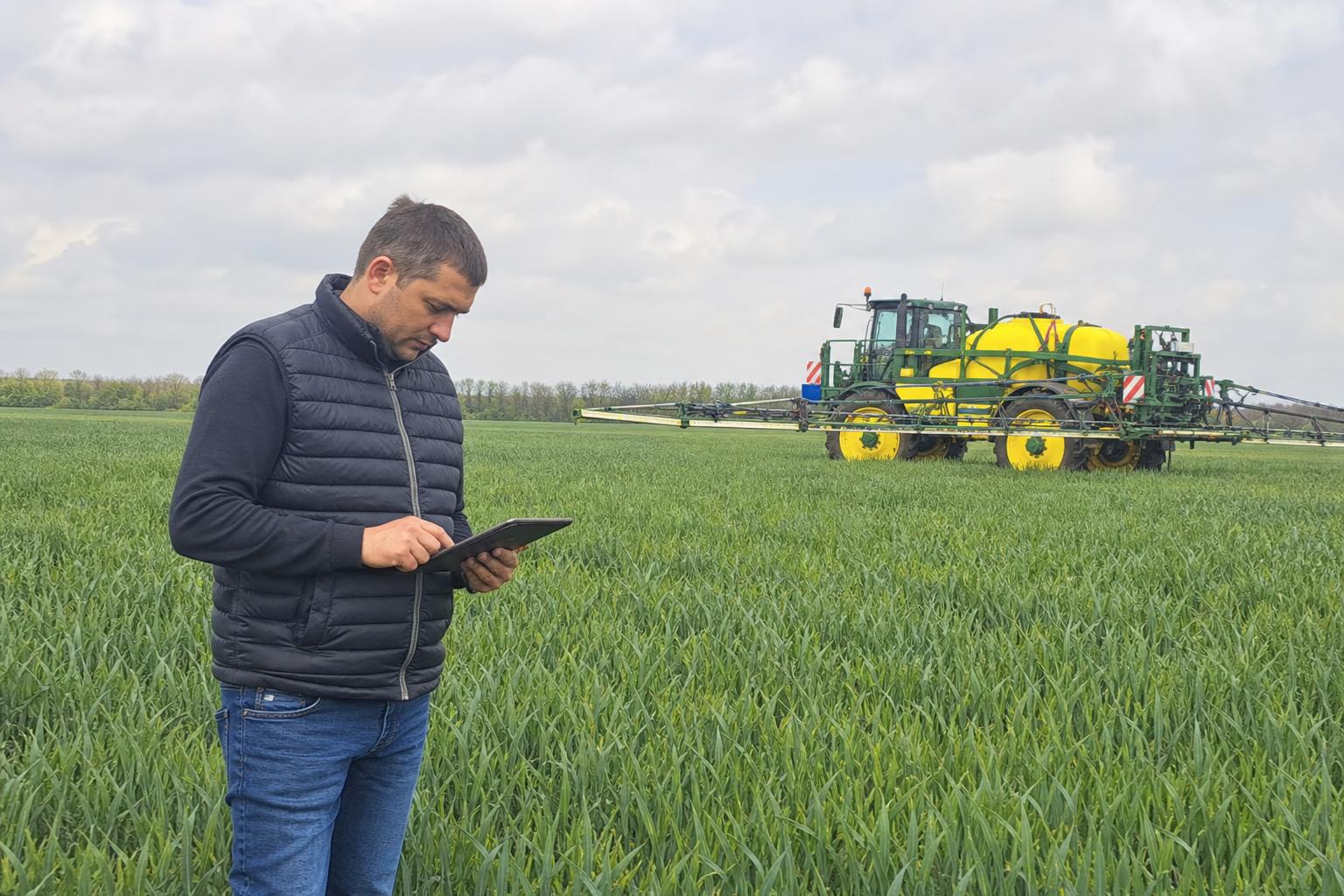
The European market is preparing for a stricter approach to pesticide residues in imported products from third countries. For Ukraine, this directly concerns plant protection systems, as grain, oilseeds, and other agricultural products are often sold with a focus on EU buyer requirements.
The key message for agribusiness is simple: the fact of legal pesticide use in Ukraine is no longer sufficient for safe export sales. Greater importance will be placed on the active substance, residue levels in the harvest, treatment documentation, and the ability to confirm the batch history.
What Changes Does the EU’s Approach to Pesticide Residues Bring?
EU countries have agreed on a common position to strengthen rules regarding pesticide residues in agricultural products from third countries. This primarily concerns substances that are banned within the EU due to health or environmental risks.
For the most hazardous active substances, a reduction of maximum residue levels (MRLs) to zero is being considered. That is, down to the minimum level detectable by laboratory methods.
Additionally, there is discussion about extending this stricter approach not only to substances with health risks but also to pesticides that may pose unacceptable risks to bees or groundwater.
The final rules are still to be determined through further negotiations. A transitional period may also be provided for products produced under previous standards.
Where Is the Risk for Ukrainian Agricultural Exporters?
The greatest practical risk arises when an active substance is permitted or used in Ukraine but does not meet the requirements of a specific export market. In such cases, buyers may demand additional confirmation regarding residues or traceability.
Producers of crops that are regularly exported should be especially vigilant. According to UGAIB data, in September, export shipments of wheat and rapeseed increased significantly, and these crops often undergo quality and safety checks by international traders and processors.
For farms, this means that plant protection systems should function not only as agronomic tools but also as part of the commercial preparation of batches for sale.
What to Check in Your Crop Protection System
- Active substances. Verify not only the trade name of the product but also the active ingredient and its status for the target market.
- Pre-harvest intervals. Record the date of application, application rate, crop, and growth stage to avoid exceeding residue limits in the harvest.
- Application logs. Entries should be sufficiently detailed to confirm the treatment history for buyers, auditors, or laboratories.
- Product documentation. Keep invoices, labels, certificates, and batch information for crop protection products.
- Laboratory testing. For export-oriented batches, plan analyses of active substance residues in advance.
- Batch separation. Products from different fields or with different protection schemes should not be mixed without understanding residue risks.
How to Use This in AgroPost Trading
For sellers of agricultural products, a competitive advantage lies not only in price but also in batch transparency. It is advisable to specify in listings whether treatment logs are maintained, laboratory protocols are available, which market the product was prepared for, and what documents can be provided to buyers.
For crop protection product sellers, it is important to clearly indicate the active substance, application crop, usage regulations, registration status in Ukraine, and availability of consulting support. Buyers increasingly will evaluate products not only for efficacy against weeds, diseases, or pests but also for export risks.
Agro-product buyers should immediately inquire about crop protection history and whether residue analyses have been conducted. This reduces misunderstandings after contract signing and helps to quickly select batches for specific sales channels.
What this means for the market: The Ukrainian crop protection segment is gradually shifting from a “field treatment” model to a “crop protection and proof of suitability for sale” model. Farms that already organize records of products, residue control, and batch traceability will have a stronger position in negotiations with traders, processors, and export buyers.
Comments
No comments yetNo comments yet - be the first.