
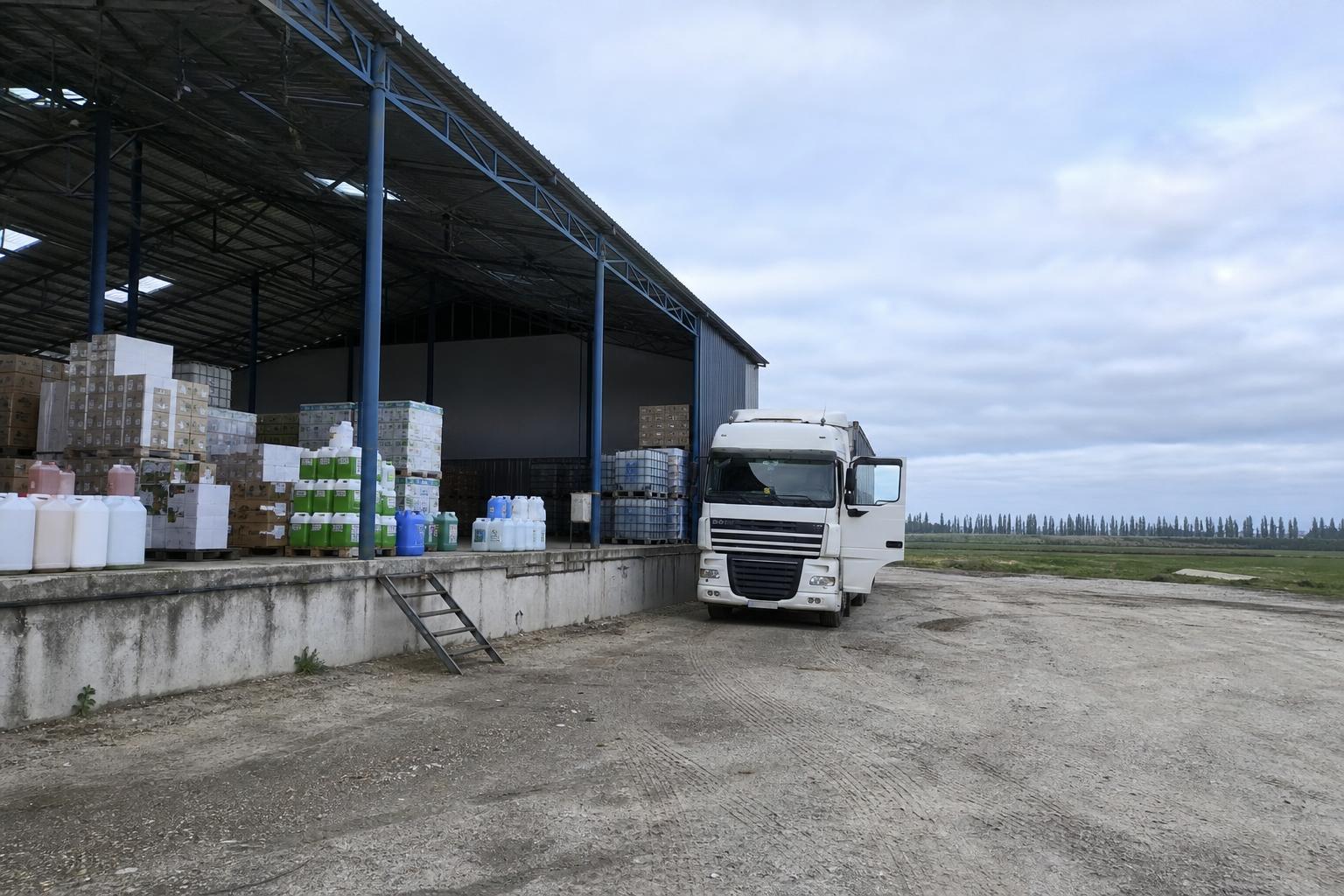
The Ukrainian crop protection market is entering a period when the price of a product is no longer the sole argument for a deal. For farms, the availability of goods in stock, actual delivery times, and clear payment terms are becoming increasingly important.
Recent signals from agro-logistics indicate that ZAP (crop protection agents) buyers should plan their purchases in advance, while sellers need to clearly communicate stock levels, routes, and potential delays. This is especially relevant for herbicides, fungicides, and integrated protection schemes for the upcoming season’s crops.
Logistics Influences Crop Protection Procurement Practices
In October, the agricultural sector simultaneously handles export shipments, domestic transportation, and preparations for the new production cycle. Under such conditions, any restrictions on transport infrastructure can complicate the planning of agro-commodity supplies, including crop protection products.
In Lviv Region, temporary restrictions on the movement of trucks and international buses on the M-09 Ternopil — Lviv — Rava-Ruska road have been extended. The restrictions are in effect until November 10, 2026, due to major repairs on the highway leading to the EU border.
For the crop protection market, this does not necessarily mean an automatic shortage but highlights the importance of verifying delivery routes. This is particularly relevant for sellers working with western regions or using border logistics for import consignments.
Maritime Risks Increase Attention to Alternative Routes
The situation in the Black Sea remains a factor of uncertainty for the agro-market. According to Ukrainian reports, two civilian vessels in Bulgaria’s exclusive economic zone were attacked; one sank, and the other caught fire, with the crew evacuated.
The President of Ukraine stated that the attack was carried out by Russian naval and aerial drones, and Ukrainian Defense Forces did not conduct operations in that area. For agricultural businesses, this signals the need to pay closer attention to maritime routes and insurance risks in the broader Black Sea region.
For crop protection product sellers on AgroPost, a practical takeaway is to specify not only the price but also the actual storage location, available shipment options, and estimated delivery times across regions.
High Competition for Transport Capacity Persists
Agrarian associations also highlight the shortage of logistical capacities for agricultural exports. The All-Ukrainian Agrarian Council opposed prioritizing soybean meal and meal exports, citing risks of restricting access for other agricultural cargoes to infrastructure.
According to industry reports, in September, the export of key agricultural commodities amounted to 2.17 million tons, with a significant portion passing through Danube ports. VRA (Ukrainian Agrarian Association) estimates the potential priority export volume of soybean meal and meal at 380–390 thousand tons per month.
While these figures primarily concern export shipments, they reflect the overall context: transport resources remain a competitive factor. For the crop protection market, this underscores the importance of early booking and increased discipline in agreements between sellers and buyers.
Recommendations for Sellers and Buyers on AgroPost
- For crop protection sellers: update stock levels at warehouses and specify which products are available for immediate shipment.
- For buyers: clarify not only the price but also the actual location of the product, delivery route, and return or replacement conditions.
- For large consignments: it is advisable to fix delivery times in writing, especially if the product is needed within a specific technological window.
- For import positions: verify whether the product is already in Ukraine or just expected to arrive.
In practice, market participants who provide comprehensive information—product name, packaging, registration status, stock levels, shipment region, and logistics conditions—gain an advantage. For crop protection agents, this is often as important as the price difference.
Implications for the market: in the crop protection segment, predictability of supply becomes a key advantage. Sellers on AgroPost should emphasize confirmed stock levels and transparent logistics, while buyers should plan their herbicide, fungicide, and other crop protection purchases in advance, avoiding last-minute decisions during peak demand periods.
Comments
No comments yetNo comments yet - be the first.