
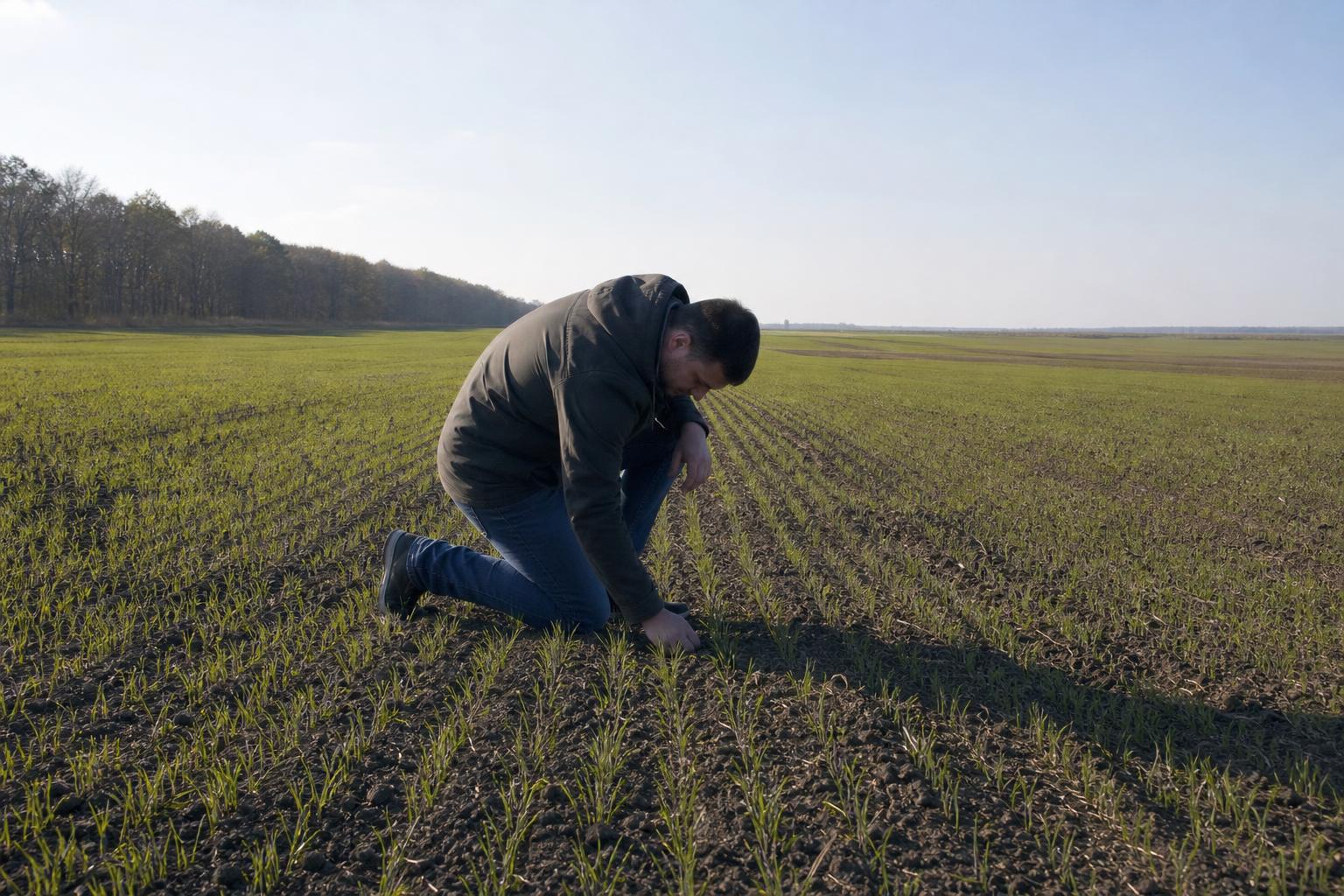
For winter crops, fertiliser application timing and rates are not the only factors that matter; the condition of the crops before spring growth resumes is also important. Weeds compete with crops for moisture and nutrients, and controlling them in autumn can make early-spring nitrogen fertilisation easier to carry out.
According to a Ukravit expert, autumn treatment of broadleaf weeds helps reduce the risk of their reaching critical levels in spring. This is particularly relevant when changeable weather or pressure on machinery makes timely spraying more difficult.
How weeds affect the effectiveness of nitrogen fertilisation
Uncontrolled vegetation takes moisture and nutrients away from winter crops. In addition, according to a Ukravit representative, weeds can reduce the effectiveness of early-spring nitrogen fertiliser applications.
Therefore, autumn crop protection should be considered as part of the overall crop nutrition plan. Spraying alone does not replace fertiliser or determine the required nitrogen rate, but it can help reduce competition for resources.
What to consider when planning
- Assess field conditions: identify the presence and species of weeds, including volunteer sunflower and rapeseed.
- Align crop protection with the work schedule: take into account the likely demands on machinery during spring fieldwork.
- Check application conditions: recommendations for autumn spraying depend on the weather and the farm’s financial capacity.
- Plan nitrogen separately: the source provides no application rates or recommendations on choosing a nitrogen fertiliser, so these should be determined based on crop requirements and the conditions in each field.
Practical guidance for procurement
Farms purchasing nitrogen fertilisers ahead of the spring season should align volume planning with the schedule for fertilisation and crop protection. If weeds remain uncontrolled, applying nitrogen alone will not eliminate competition for nutrients.
The available materials contain no data on prices, stocks or the supply of nitrogen and compound fertilisers in Ukraine. They therefore do not support conclusions about market conditions or the optimal time to buy.
What this means for the market
For fertiliser buyers, the key practical takeaway is to view nitrogen fertilisation as part of the crop production system, rather than as a standalone purchase. Autumn weed control can support the effectiveness of spring crop nutrition, but decisions on products, timing and fertiliser rates should be made separately for each field.
Comments
No comments yetNo comments yet - be the first.