
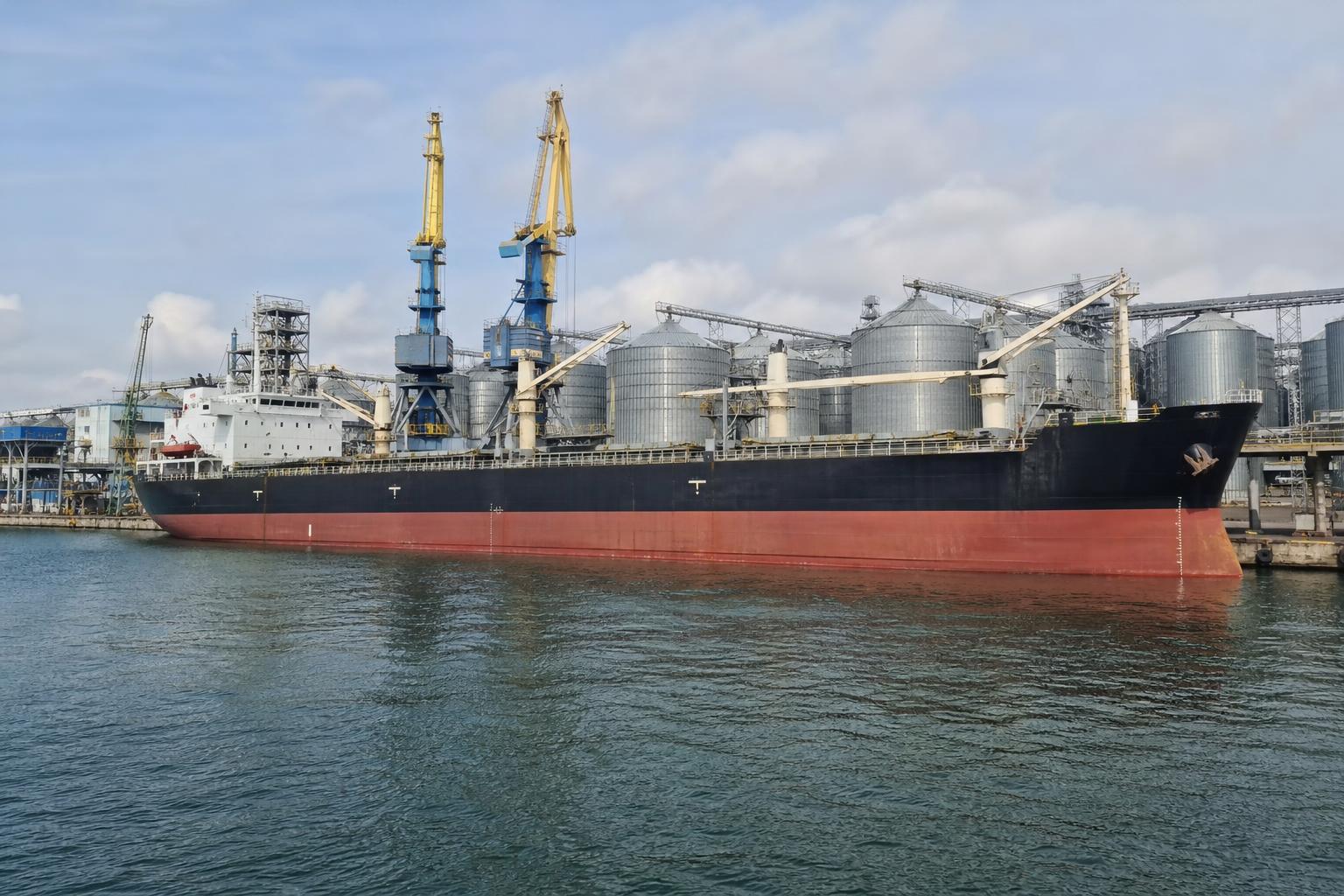
Russian authorities have, for the first time since July, allowed some grain vessels to leave the Sea of Azov. According to Bloomberg, at least one vessel has already passed through the Kerch Strait into the Black Sea.
The permits are temporary and apply to vessels ready to depart with crews on board. The resumption of individual voyages does not mean the route has fully returned to normal: threats to shipping safety remain.
Permits do not amount to a stable corridor
Commercial shipping in the Sea of Azov was suspended on July 10 because of the threat of attacks. The current decision allows some vessels to depart, but the risks do not disappear once they pass through the strait: vessels may also come under attack in the Black Sea.
Logistics operators therefore need to distinguish between a one-off resumption of traffic and a predictable shipment schedule. The issuance of permits alone does not confirm that voyages will be regular or that the route will be available to all shippers.
Market reaction was swift
After reports of the permits, Chicago wheat futures fell 2.8% on Wednesday, October 28, reaching their lowest level since July 1. This was the futures market’s recorded reaction to the news, but it does not in itself indicate a change in Ukrainian purchase prices or transportation costs.
According to a commodity broker cited in the report, the impact is limited by the continuing security risks. Market participants should therefore assess not only news about routes reopening, but also whether voyages can actually be completed.
What Ukrainian sellers and buyers should consider
- Grain sellers: Do not base shipment plans on an assumed stable reopening of the route without confirmation of specific voyages.
- Buyers and traders: Check transport availability, timelines and insurance terms separately for each route.
- Logistics companies: Monitor actual vessel movements and changes to security restrictions, not just formal permits.
The reports provided contain no information about changes to rates for Ukrainian shipments or new terms for Ukrainian ports. The Russian route in the Sea of Azov should not be conflated with Ukraine’s export routes.
What this means for the market
The partial departure of vessels from the Sea of Azov may affect expectations for grain supply and market sentiment, but the safety and regularity of shipments remain key uncertainties. The practical takeaway for Ukrainian agribusiness is to plan logistics around confirmed routes and terms, and not to draw conclusions about rates based solely on the futures market’s reaction.
Comments
No comments yetNo comments yet - be the first.