
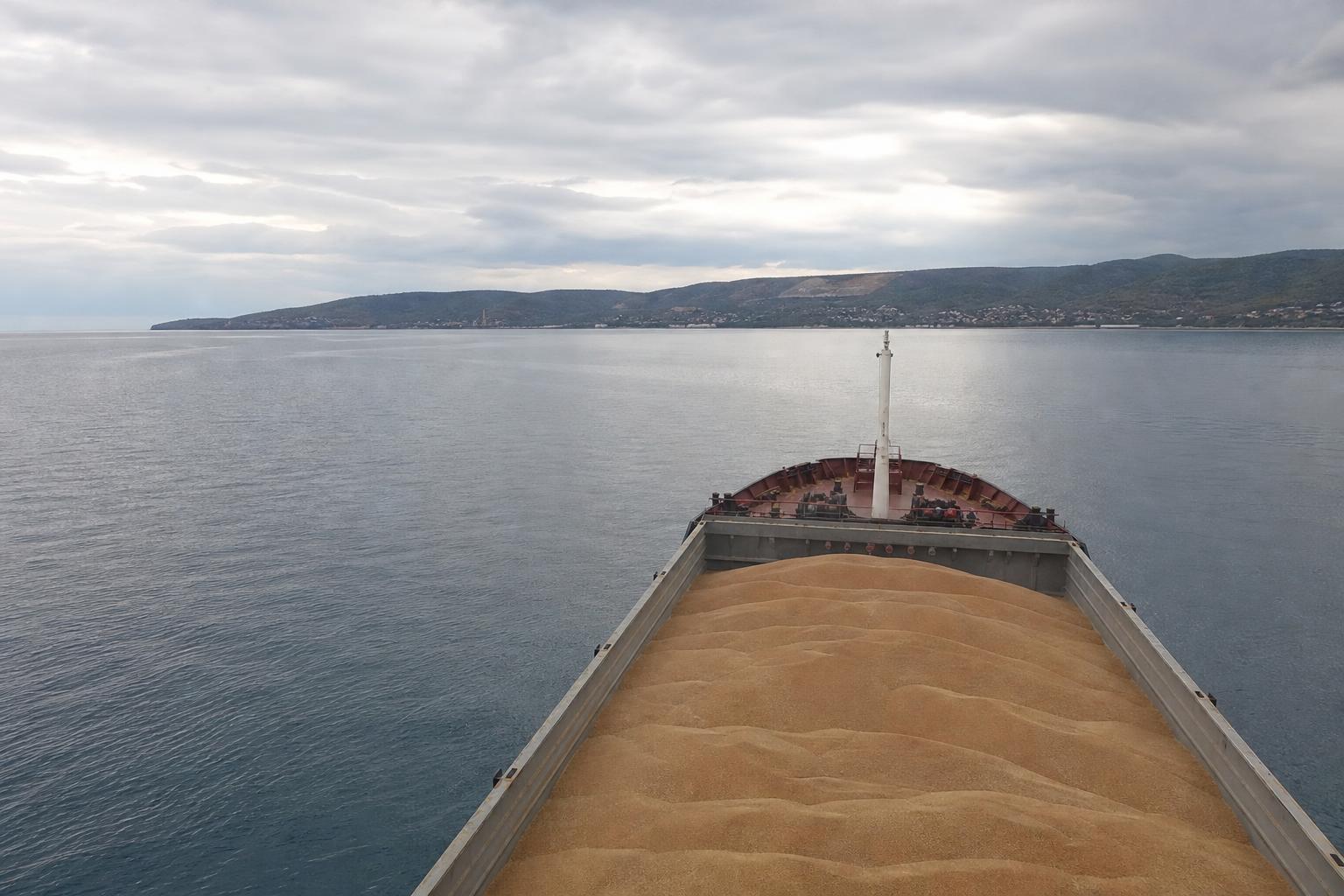
The incident involving the BETUL 8 has once again drawn attention to the security risks facing grain shipments in the Black Sea. The vessel was carrying nearly 3,000 tonnes of wheat from the Romanian port of Tulcea to Egypt.
According to the source, the ship sank on 16 November in Bulgaria’s exclusive economic zone. All 12 crew members were rescued; Bulgarian authorities have not officially confirmed the cause of the accident.
What is known about the incident
The crew sent a distress signal about 40 nautical miles southeast of Cape Kaliakra. The sailors reported that the vessel had been attacked by naval drones. Bulgarian authorities have not officially confirmed this account.
The evacuation from the life raft took more than an hour and a half because of weather conditions. According to the information provided, the sailors were brought ashore; none suffered serious injuries.
What grain traders should consider
For grain sellers and buyers, reports like this are a reason to carefully review the transport terms of each specific deal, rather than applying a risk assessment to all routes or vessels. Before shipment, the parties should agree on their respective responsibilities, insurance requirements, procedures for reporting route changes, and documents confirming the status of the voyage.
According to maritime security company Diaplous, the BETUL 8 was the 17th vessel attacked off the coasts of Bulgaria and Romania since mid-July. This figure should be checked against the latest maritime security reports.
What this means for the market
The incident involved a voyage from Romania to Egypt, not a confirmed Ukrainian cargo. For Ukrainian traders and carriers, it is a regional warning: when planning exports through the Black Sea, it is important to assess the route, insurance terms and allocation of risks under the contract separately. The cause of the sinking and the circumstances of the attack should be considered unconfirmed until official information becomes available.
Comments
No comments yetNo comments yet - be the first.