Grain Transportation from Ternopil Region: Border Delays
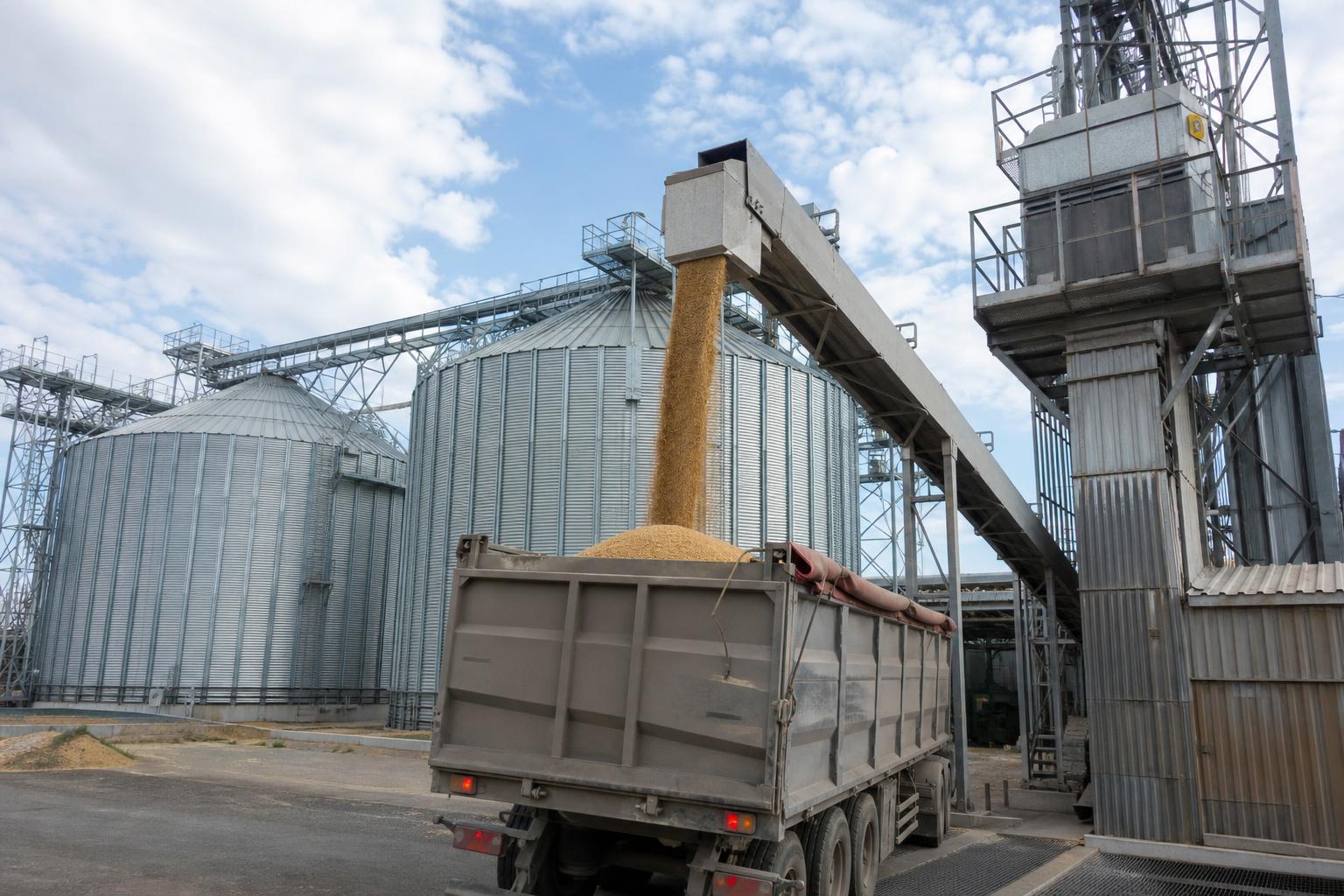
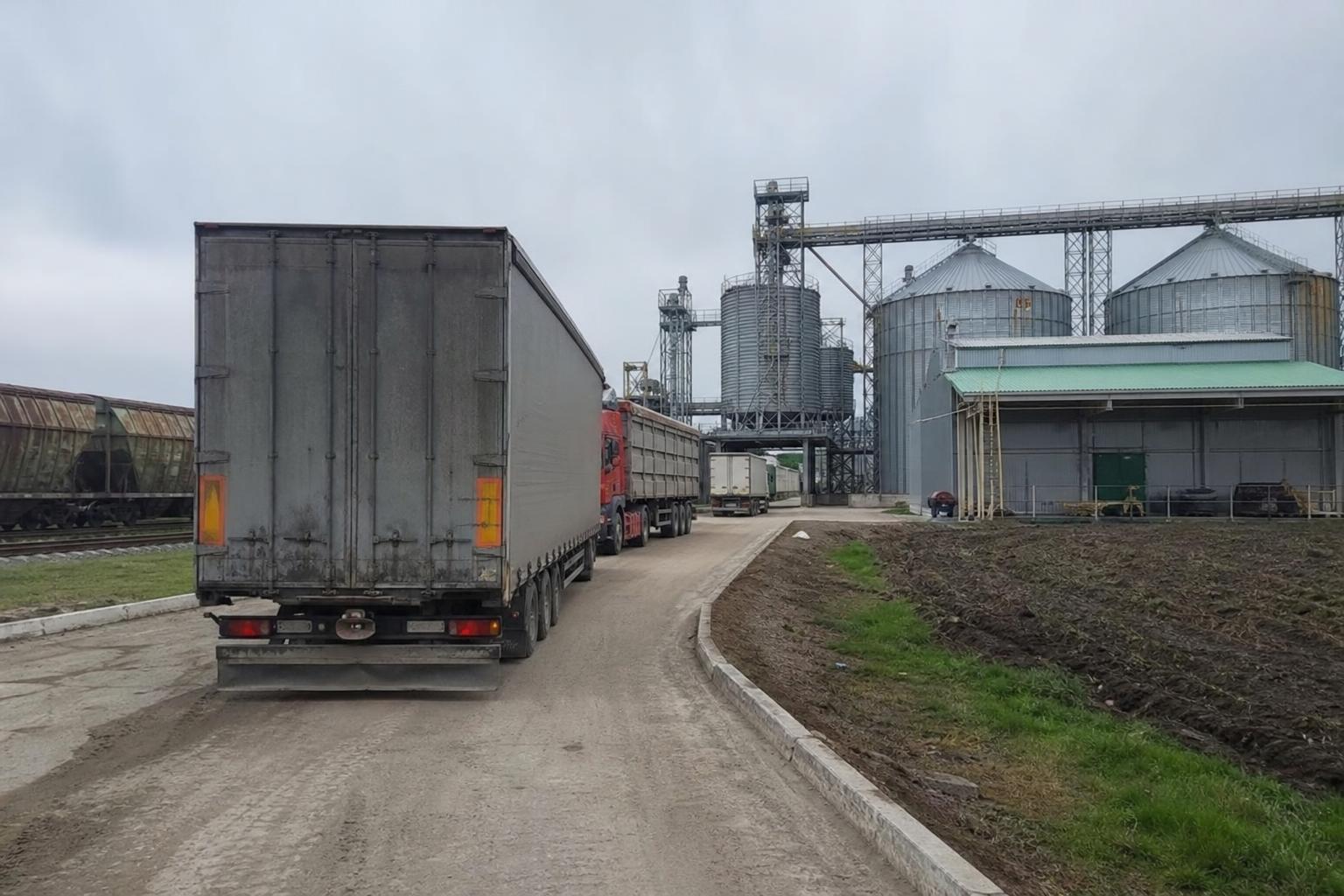
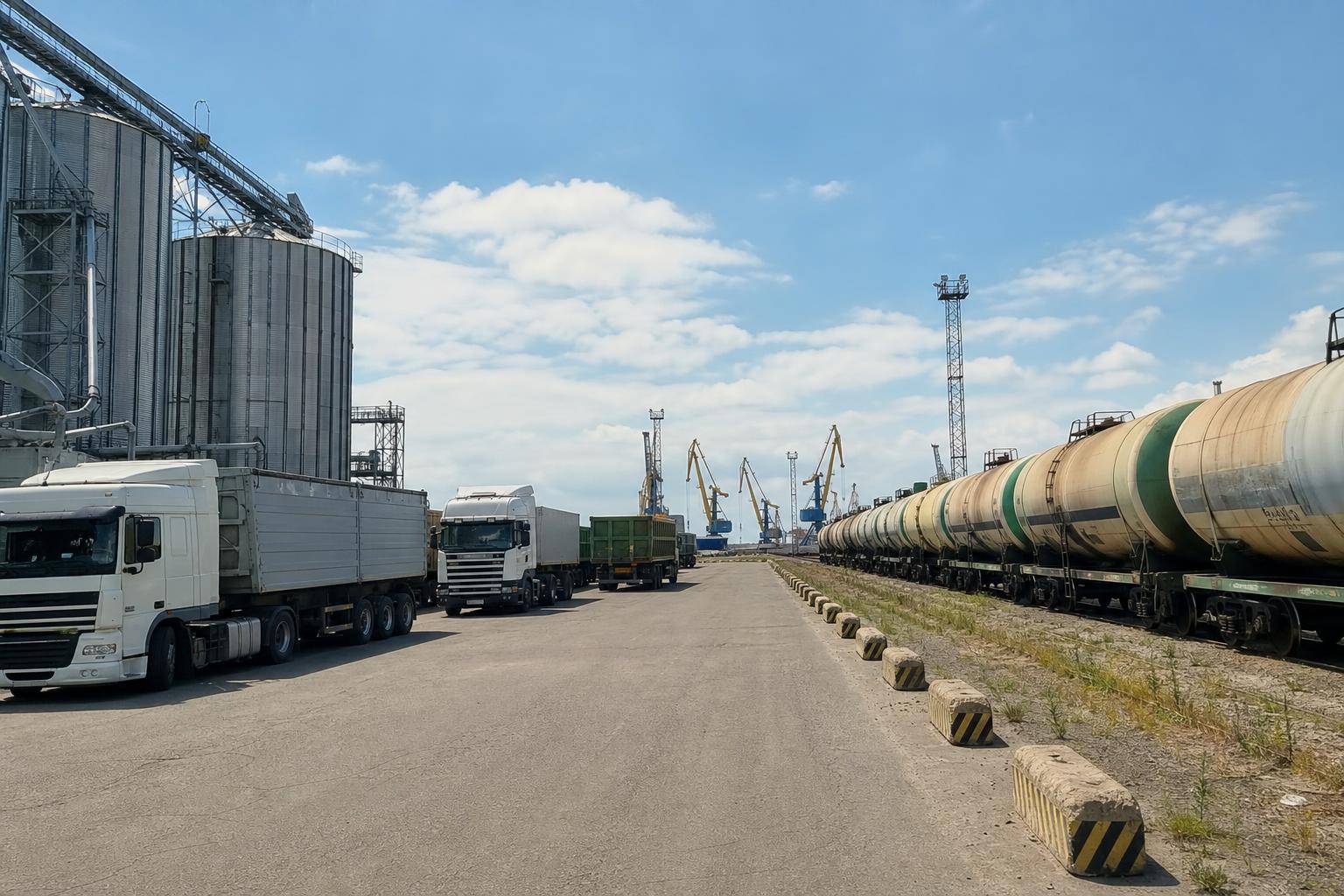
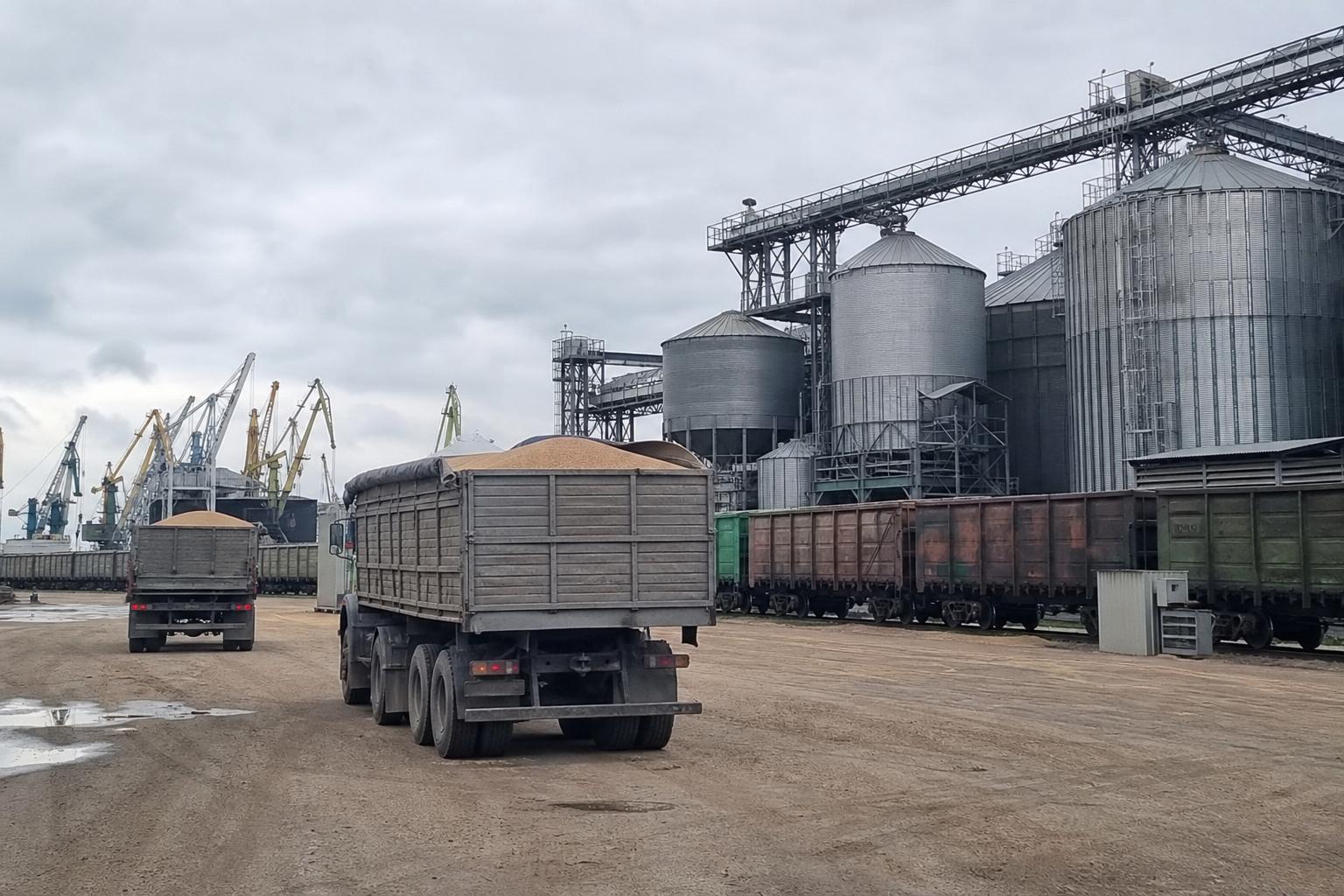
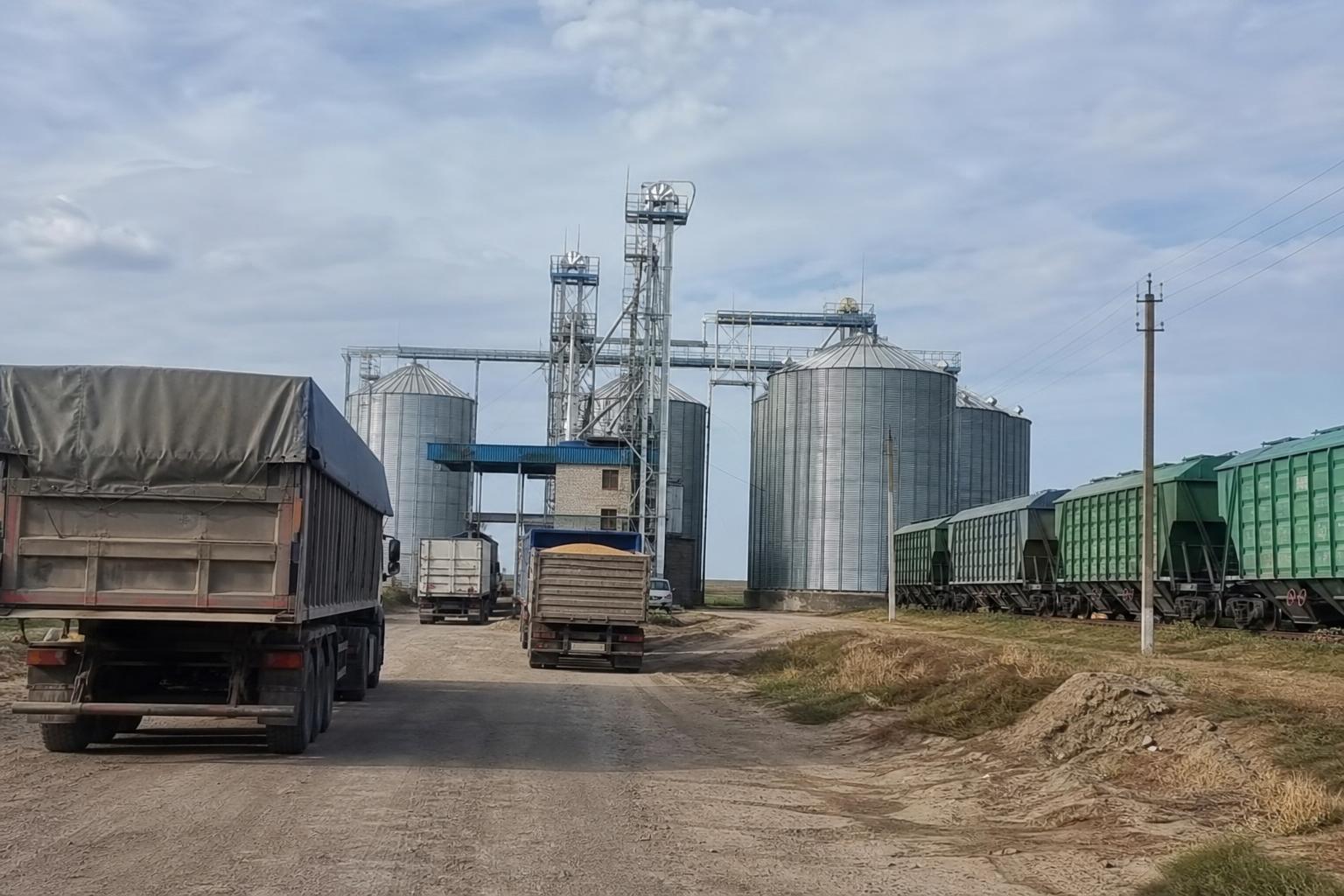
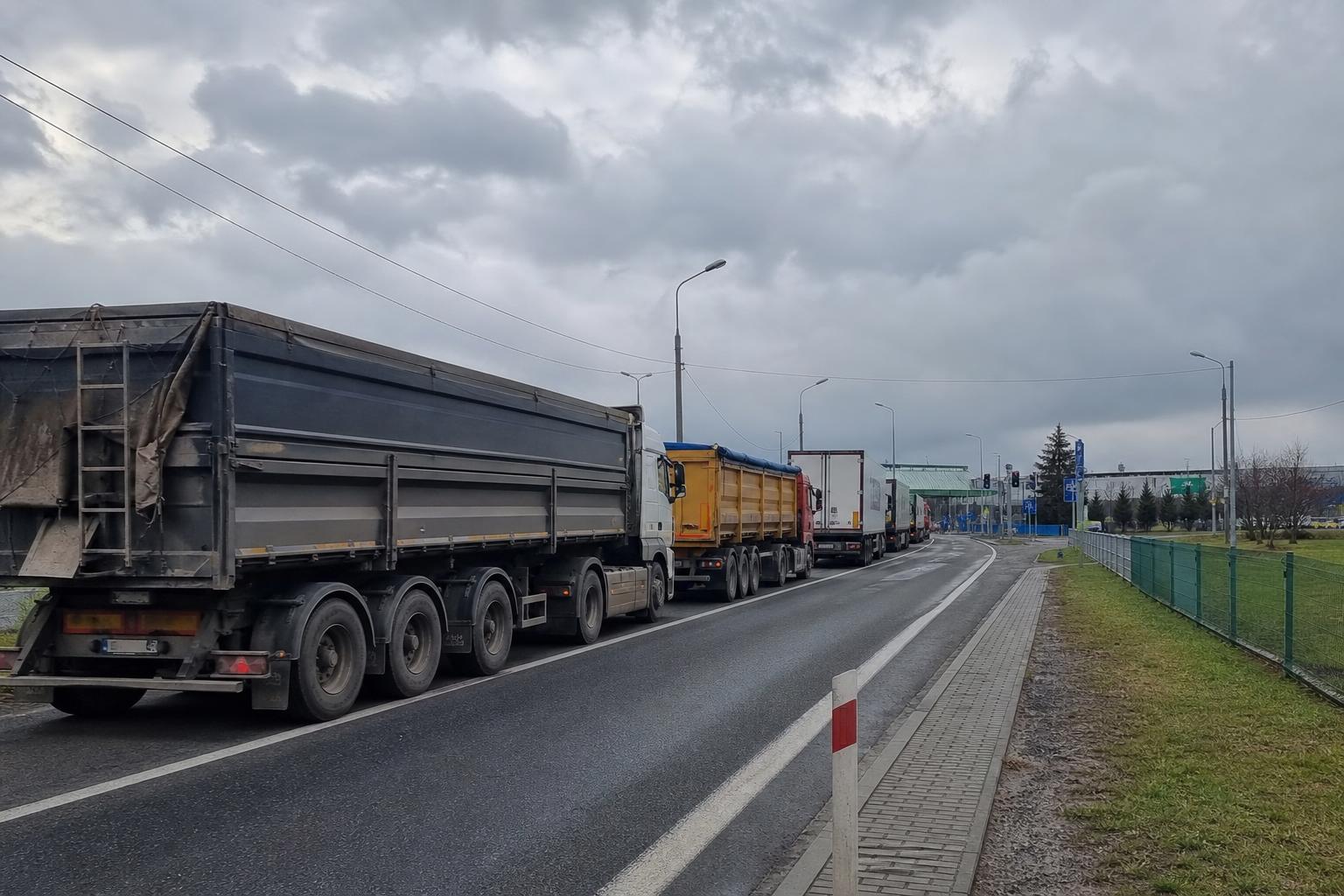
Farmers in Ternopil region report truck queues at the Poland-Ukraine border lasting up to a week and a half. Delays increase logistics costs and complicate grain shipments from warehouses.
Agropost
We collect original digests and analytical notes based on facts, market signals and verified sources.
Farmers in Ternopil region report truck queues at the Poland-Ukraine border lasting up to a week and a half. Delays increase logistics costs and complicate grain shipments from warehouses.
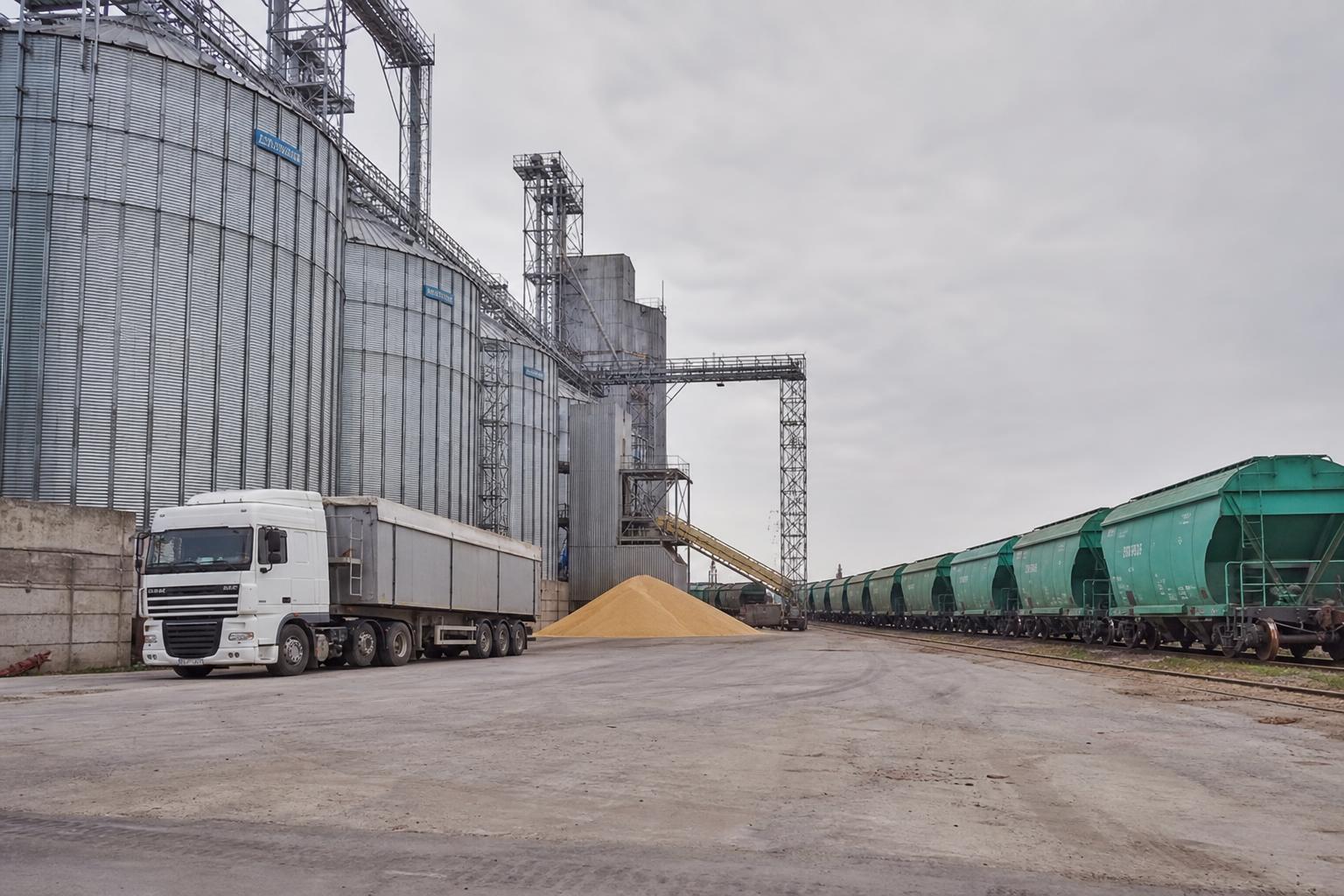
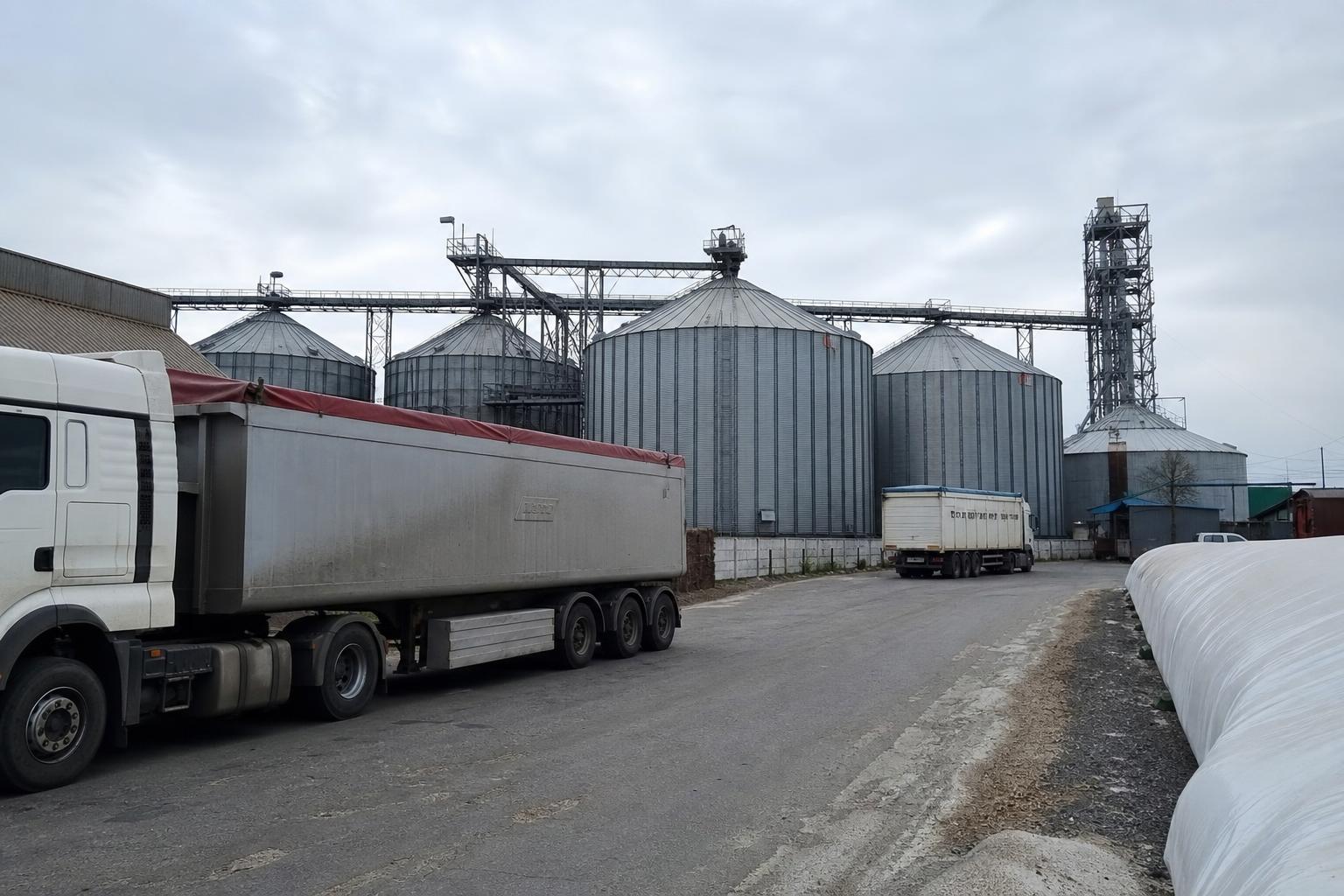
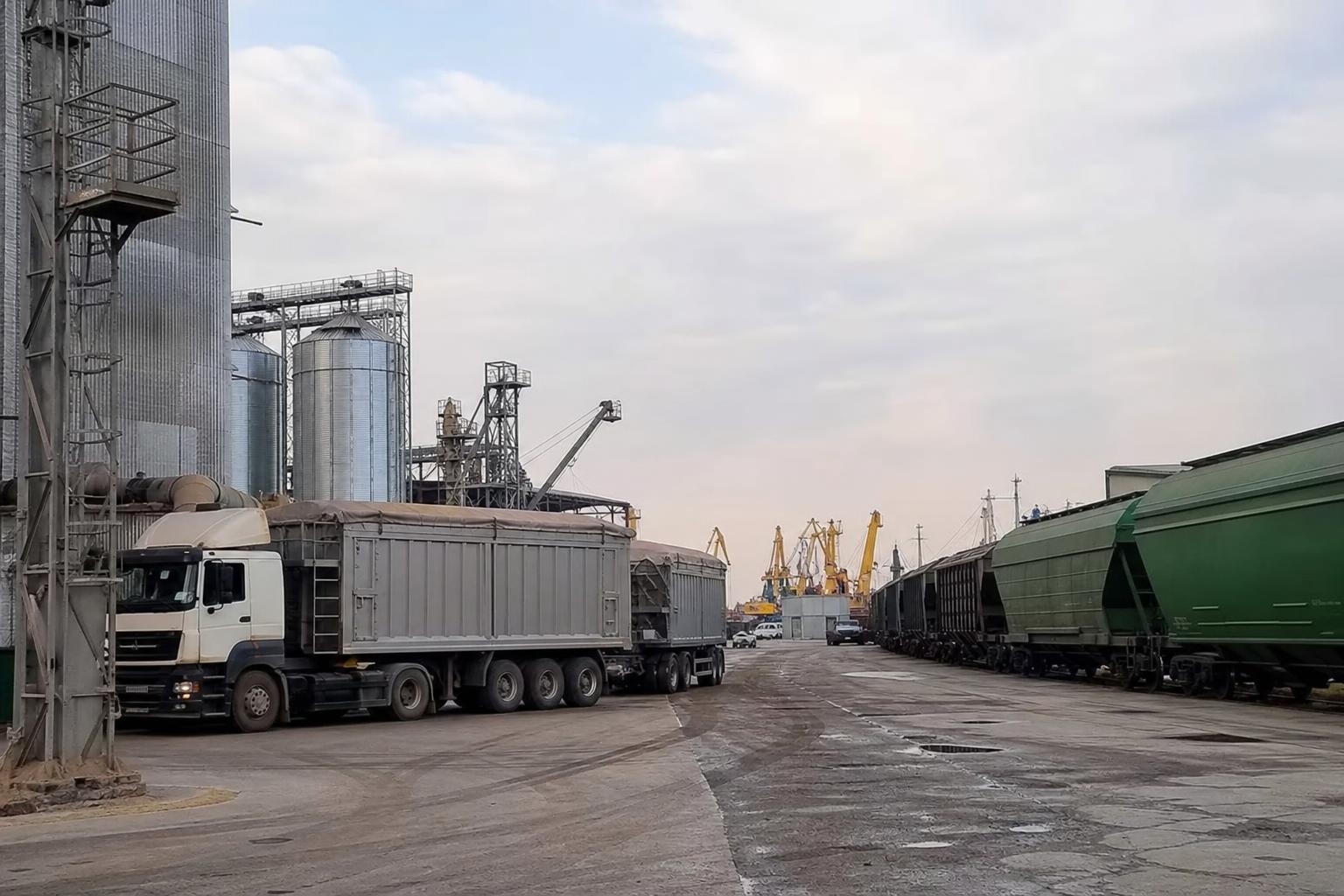
According to the company, its elevators have accepted over 1 million tons of 2026 harvest grain. This highlights the importance of elevator infrastructure and alternative routes in grain delivery amid wartime restrictions.
For exporters and domestic buyers of agricultural products, key risks remain in transport availability, western route costs, and flexible shipment schemes. New processing projects and strategic shifts in agro-companies highlight how logistics increasingly influence not only delivery prices but also production and sales decisions.
Following the attack on Kiliya, agro-export logistics are once again operating under heightened risks to port infrastructure. Grain and oilseed sellers must plan alternative routes, shipment windows, and transshipment costs in advance.
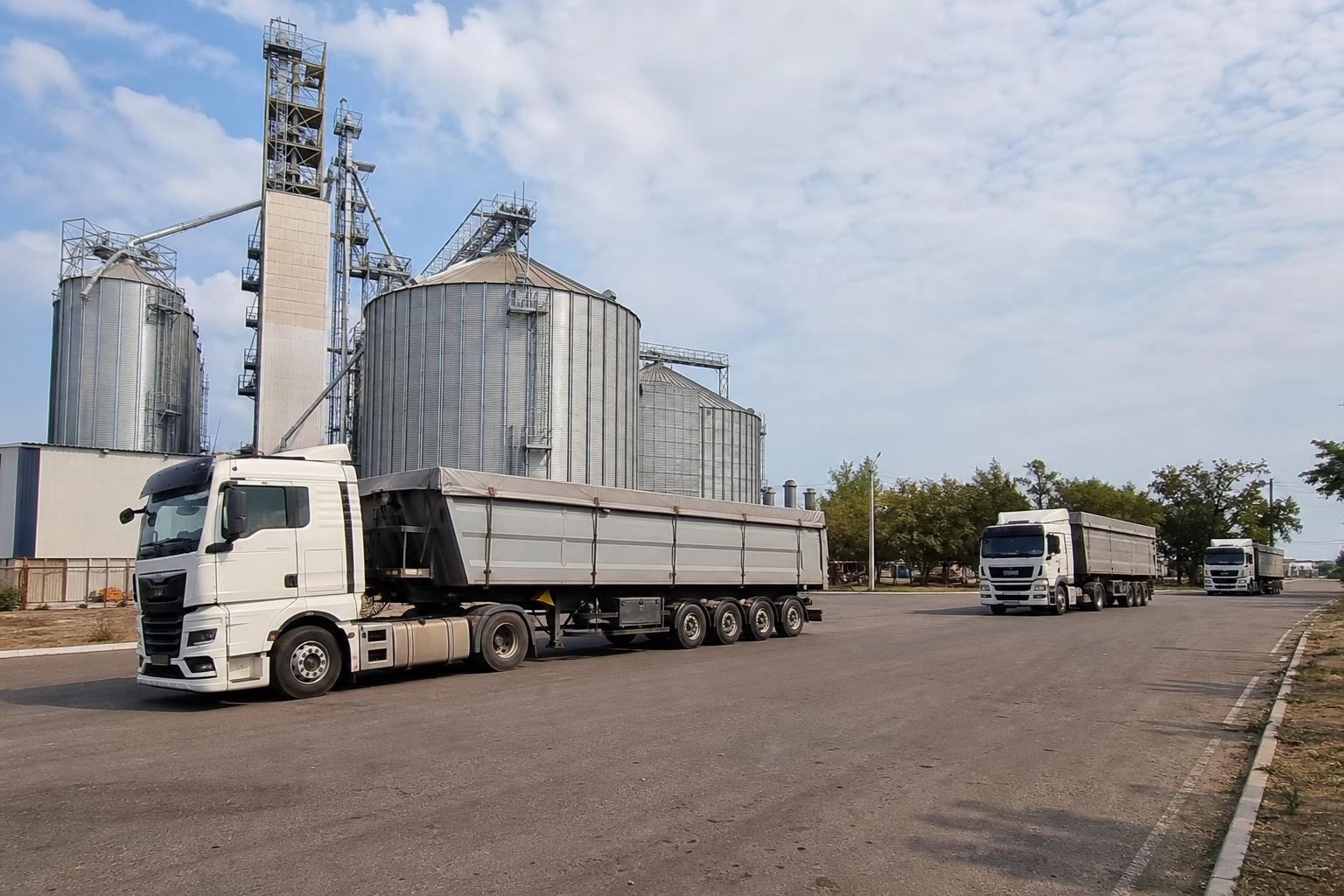
Ukraine's grain and oilseed markets enter the season with a larger sunflower harvest but limited export and processing capacities. Logistics, transport access, port infrastructure, and elevator reliability are key for sellers and buyers.
Ukrainian exporters should carefully plan routes to Turkey and Mediterranean countries: demand for alternative soybean suppliers may grow, but transit capacities through regional ports remain limited due to competition for throughput.
New harvest data increases load on domestic agrologistics. Timely transport booking, elevator capacity checks, and route monitoring are key for sellers and buyers on AgroPost.
Ukrainian agri-export in September faces two practical challenges: discrepancy between minimum export prices and actual contracts, and the need for temporary storage in front-line regions. For sellers and carriers, this means greater attention to Incoterms, customs clearance, and contingency plans.
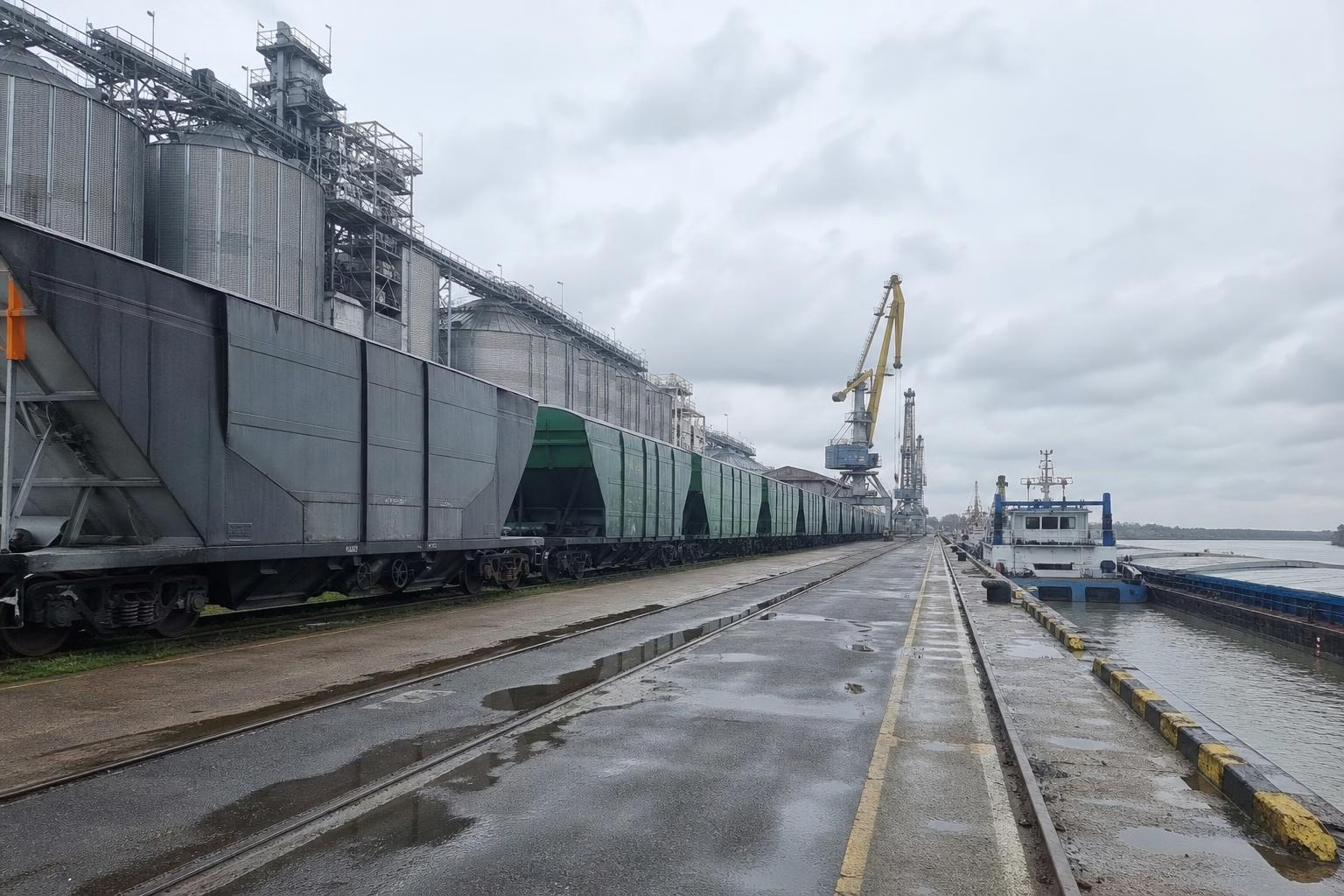
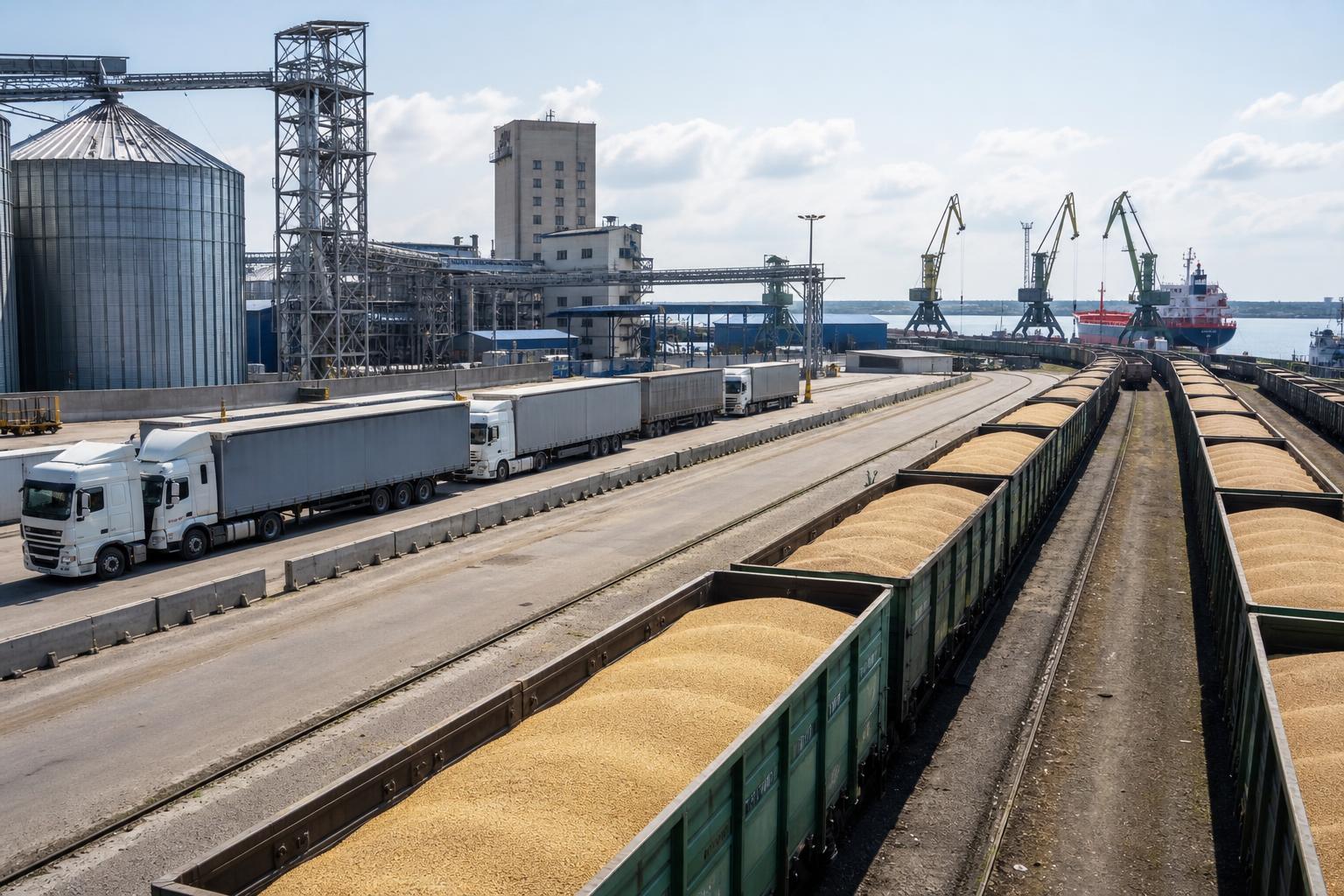
Bridge damage in Odesa region may significantly slow railway grain deliveries to Danube ports. Meanwhile, purchase prices for new crop corn at Danube ports have decreased to $165–170/ton CPT, prompting exporters and importers to carefully plan shipment schedules, routes, and logistical risk pricing.
For Ukrainian grain sellers and carriers, upcoming weeks may require cautious planning: Turkey might delay active corn imports, while Ukraine continues its autumn planting, shaping future regional freight flows.
For Ukraine's grain market, logistics increasingly depend not only on transportation rates but also on transit country policies and contract documentation quality. Estonia announced readiness to prevent Russian grain transit through its ports, while Ukrainian digital services enhance contract management, Incoterms, and payments.
For Ukrainian agriproduct sellers, logistical risks are once again at the forefront: Turkey proposes a new safety mechanism for the Black Sea, the government discusses an insurance fund for business assets, and Poland warns of border crossing threats.
Sign in to manage requests, save contacts and respond to market offers quickly.
Continue with GoogleSign in to manage requests, save contacts and respond to market offers quickly.
Continue with GoogleEnter your email and we will send a password reset link.
Don't have an account?
With your consent, Google Analytics measures navigation and listing steps. The service does not start without consent. The site works without it.
We send category, language, step number and whether an error or save occurred, not entered values, phone numbers, email addresses or listing text. Your choice is stored in this browser for up to 180 days. Advertising tracking stays disabled.
Use Analytics settings to change your choice. Withdrawing consent reloads the page to stop already loaded services: save any unfinished form first.