
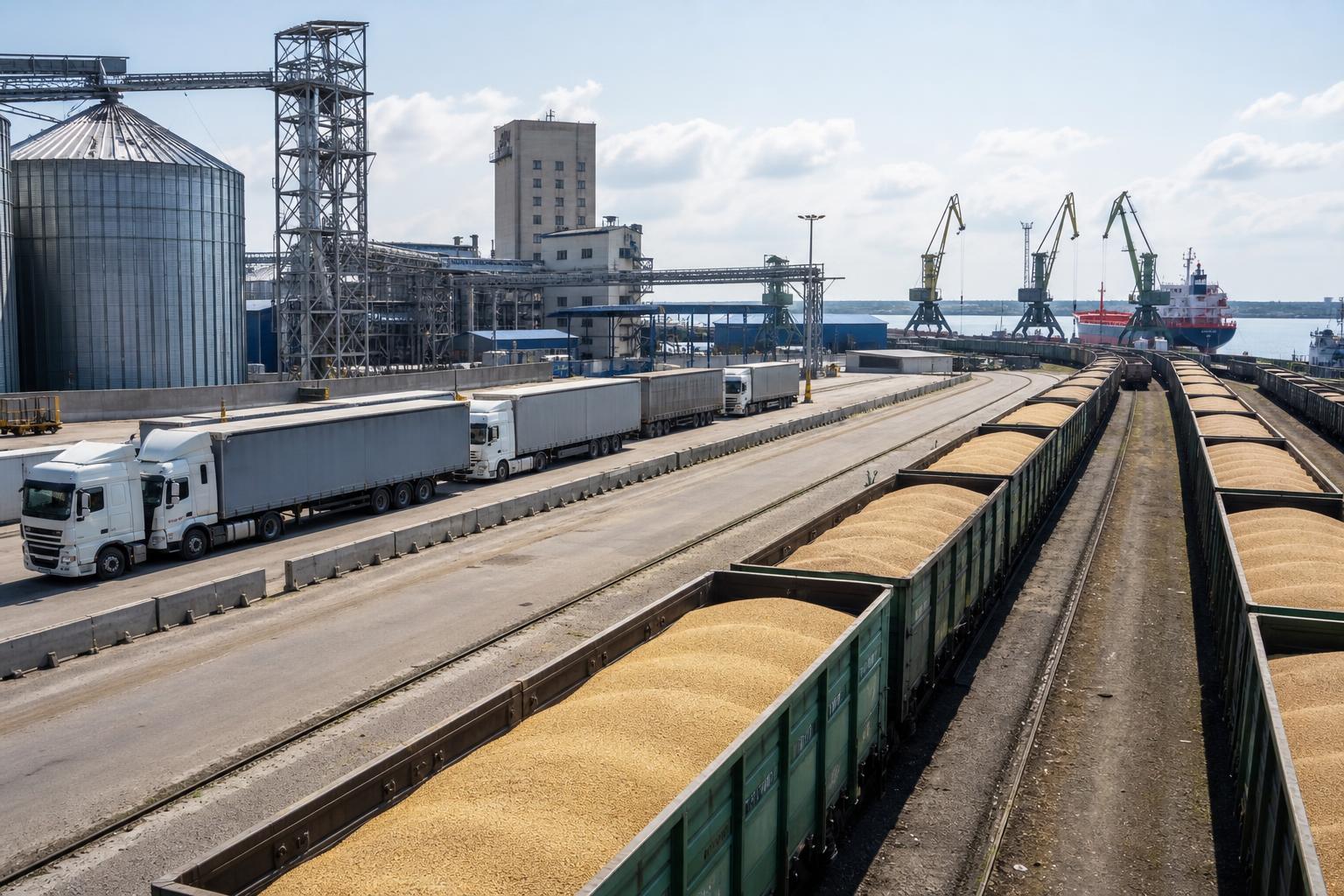
Ukrainian agricultural logistics is entering a period when transportation costs are increasingly dependent not only on tariffs and freight rates but also on route safety, insurance availability, and the capacity of alternative corridors.
For sellers of grain, oilseeds, oils, and other agriproducts, this means the need for more careful planning of shipments: having backup routes, verifying insurance coverage conditions, and including flexibility regarding delivery timelines in contracts.
Black Sea: Turkey Promotes a New Security Framework
The Turkish agricultural diplomacy group has proposed an international mechanism to protect food trade and civil shipping in the Black Sea. The idea builds on the experience of the 2022 grain initiative but must consider the current security situation.
Key elements of the proposal include agreements on non-targeting strikes against grain infrastructure, a coordination system for vessels carrying food cargoes, a vessel registry with verification capabilities, and a mechanism for insuring military risks.
For Ukrainian exporters, an important practical signal is that if such a framework gains international support, it could influence the availability of maritime freight, insurance terms, and the willingness of buyers to work with Ukrainian port supplies.
Danube, Road, and Rail: Remaining Insurance Corridors
The Turkish proposal separately mentions the need to increase capacity at Danube ports, railway and road routes, as well as connections between Ukraine, Romania, and Bulgaria.
This is important for the market even with a maritime corridor in place. Alternative routes remain a tool for risk reduction, especially for shipments with critical delivery deadlines or when buyers are unwilling to accept port delays.
According to data provided by the Turkish side, in August, Ukrainian grain exports for a specific period decreased by approximately 69% year-over-year, and cargo reorientation created a queue of vessels near the Sulina Canal. These figures demonstrate how quickly cargo can shift from one logistical route to another.
Insurance Becomes Part of Logistics Cost
The Ukrainian government, according to industry media reports, is considering establishing an insurance fund for businesses with a volume of $1 billion. One financing option involves an additional 1% VAT, along with attracting international partners.
The discussed model primarily concerns production and storage assets, not goods in circulation or raw materials. The public description mentions an insurance premium of 2% of the asset value and potential compensation up to $10 million.
For agrilogistics, this could have an indirect but significant effect. If storage, transshipment, and production facilities receive clearer coverage for military risks, market participants will find it easier to plan storage, accumulation of shipments, and dispatch through multiple channels.
Border with the EU: Crossings Risks Must Be Considered in Contracts
The Polish side has stated that it anticipates possible Russian attacks or provocations against border crossing points with Ukraine. Such warnings have been issued amid strikes on border infrastructure on the Ukrainian-Moldovan and Ukrainian-Romanian directions.
For agribusinesses, this does not mean automatic route closures but increases the importance of operational readiness. It is advisable to coordinate backup crossings with carriers in advance, verify the possibility of route changes, and specify procedures in agreements in case of delays.
Key Takeaways for Sellers and Buyers on AgroPost
- Maritime logistics remains strategic, but its cost and accessibility depend on security guarantees and insurance.
- Danube, road, and rail routes should be maintained as operational reserves, not just as emergency options.
- Insurance conditions need to be clarified before signing contracts, especially if goods pass through warehouses, elevators, or transshipment points.
- Border risks can affect delivery timelines to the EU, so it is advisable to fix acceptable delays and route change procedures in agreements.
What this means for the market: Ukrainian agrilogistics is moving toward a model where a competitive advantage is not only lower transportation rates but also the ability to quickly switch between sea, Danube, road, and rail. For sellers on AgroPost, this is an argument to showcase available shipping options in listings, and for buyers — to clarify logistics scenarios before agreeing on prices.
Comments
No comments yetNo comments yet - be the first.