
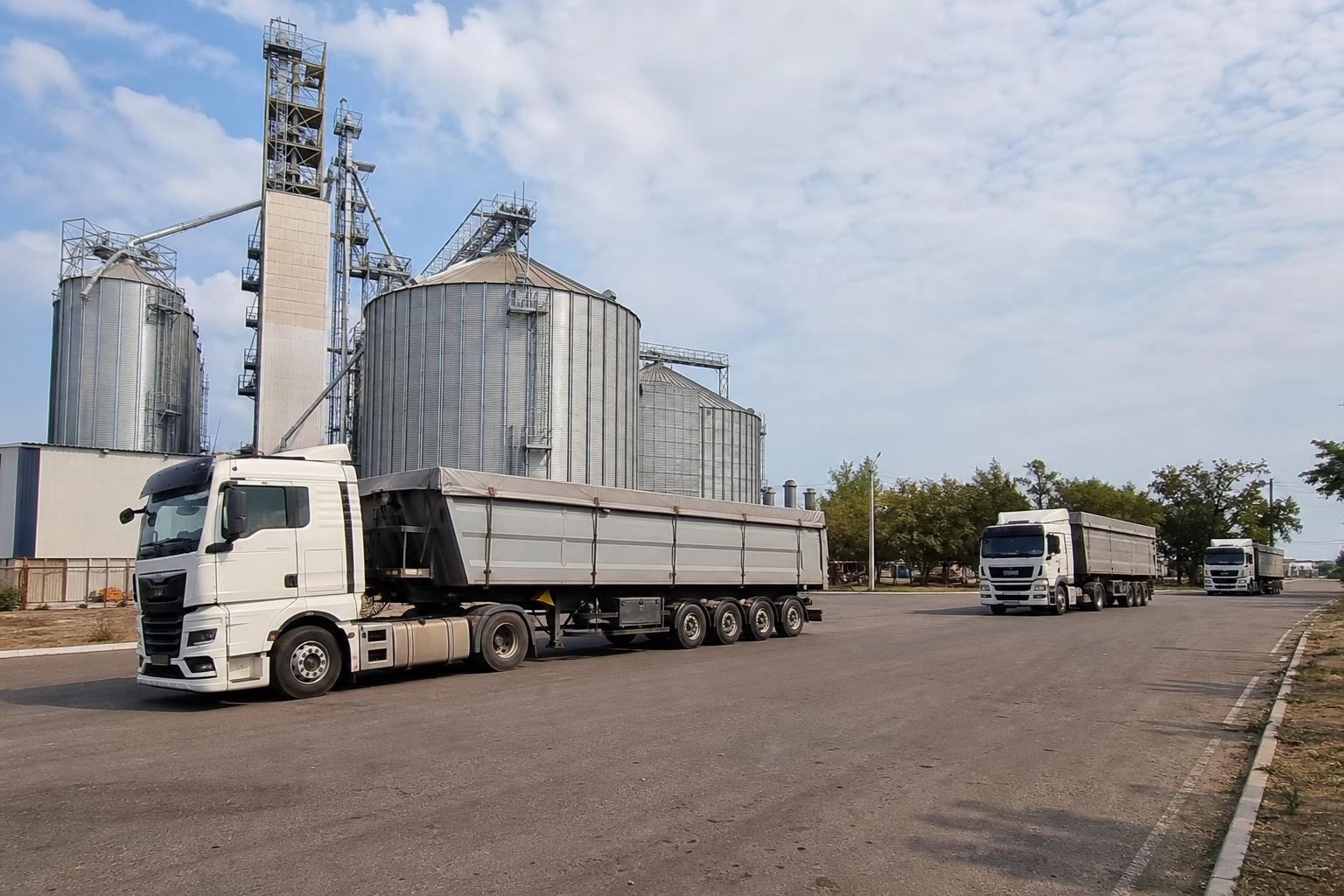
Ukrainian agricultural logistics is entering a period when carriers, elevators, and grain sellers need to focus not only on finding buyers but also on pre-planning routes, queues, and alternative sales channels.
The key market signal is caution from Turkey regarding corn imports. Meanwhile, Ukraine is in the midst of its autumn planting campaign, and some processors are concentrating not on new projects but on modernizing existing capacities. All these factors influence demand for transportation, storage facilities, and internal grain movement.
Turkey May Postpone Active Corn Imports
According to market participants, Turkey’s state grain agency TMO may increase wheat sales from government reserves, including various protein classes. There is also discussion about purchasing feed wheat using licenses related to barley and corn imports.
If such measures are implemented, Turkey’s demand for imported corn in the near future could remain subdued. Market participants expect that Turkey might require a new active import window for corn around February.
For Ukrainian exporters, this means logistics solutions for corn should be built not only around a single route. Sellers should consider multiple scenarios: dispatch through traditional channels, reorienting to other buyers, or temporary storage if economically feasible.
Implications for Grain Transportation
When a potential major importer delays purchases, the logistics market may experience uneven load distribution. Some sellers postpone sales, others seek alternative routes, and some aim to quickly lock in prices and transportation.
In such situations, AgroPost sellers need to separately calculate not only the product price but also the full logistics component: delivery to the elevator, transshipment, availability of transport, storage conditions, and possible route delays.
- For sellers: it is advisable to specify available shipment conditions, basis, batch volume, and readiness for splitting into smaller lots in advance.
- For buyers: it is prudent to clarify whether the grain is physically available at the elevator and how quickly it can be retrieved.
- For carriers: monitoring should extend beyond export requests to include internal movements between farms, elevators, and processing facilities.
Planting Shapes Future Freight Flows
In Lviv region, agricultural enterprises and farms plan to sow 162.1 thousand hectares of winter crops, an increase of 9.1 thousand hectares compared to last year. As of September 15, nearly 45 thousand hectares of winter rapeseed have been sown out of the planned 57.5 thousand hectares.
The increase in winter rapeseed areas indicates that in the upcoming season, the western direction may see additional demand for elevator services, auto-transportation, and export logistics for oilseeds. However, the final volume of future shipments will depend on yield, weather conditions, and market trends.
For logistics companies, this signals the importance of paying closer attention to western regions as sources of future rapeseed and grain batches. For farmers, it’s essential to proactively check storage and transport availability to avoid entering the market during peak times without secured solutions.
Processing Supports Domestic Logistics
In Ukraine, the nature of requests to processing enterprises has changed: according to Buhler representatives, more attention is now given to modernizing existing mills rather than building new ones. Requests for new construction, especially mills, were active at the end of 2022 and early 2023 but have been rarely realized.
This is significant for the transportation market because upgrading existing capacities sustains demand for regular internal grain shipments to operational facilities. Even if export activity temporarily declines or awaits a new window, the internal demand from processors can remain part of the logistics balance.
Key conclusion: Ukrainian market participants should plan logistics not for a single sale date but for several possible scenarios — export, internal processing, or storage until better demand arises.
What this means for the market: in the near future, grain and oilseed sellers on AgroPost should make their announcements as specific as possible: crop type, volume, storage location, loading conditions, preferred transport, and flexibility regarding timing. Buyers and carriers, in turn, will benefit from promptly confirming logistical readiness and having alternative routes.
Comments
No comments yetNo comments yet - be the first.