
The Ukrainian oilseed market is entering a new phase of debate regarding export duties, but for sunflower logistics, the signal remains stable: a broad review of regulations for this crop is not expected.
According to Minister of Agrarian Policy and Food Taras Vysotskyi, the main dialogue within the relevant agricultural committee continues around tariffs on rapeseed and soy. Sunflower, he states, is currently not under review.
Sunflower Loses in Seed Export Logistics
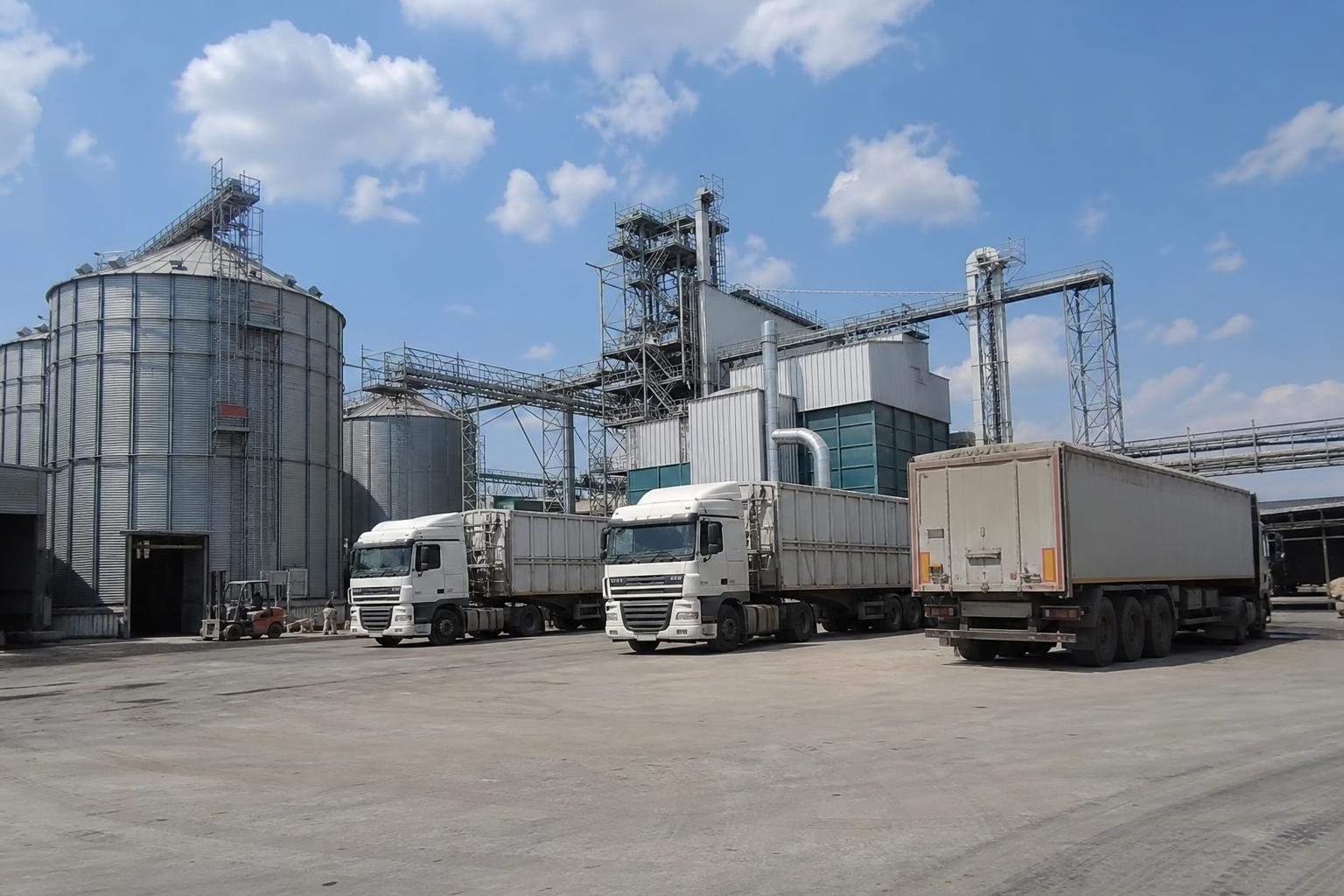
The key argument against exporting sunflower seeds is not only tariff policy but also the physical logistics of cargo transportation. Sunflower occupies significant volume but has relatively low weight, making seed transportation less efficient for transport and storage infrastructure.
Therefore, the more logical model for the market remains one where processing occurs domestically, and higher value-added products with more convenient logistics — primarily sunflower oil and meal — are exported.
For carriers, this means that demand in this segment will increasingly be driven not by transportation of seeds to borders but by routes between farms, elevators, processing facilities, and export infrastructure for finished products.
Tariffs: Ongoing Discussions
In August, Parliament registered draft laws No. 15522 and No. 15522-1, proposing temporary abolition of export duties on sunflower, soy, and rapeseed during the period of martial law. However, according to the Ministry of Agrarian Policy, practical discussions are currently focused mainly on rapeseed and soy.
Taras Vysotskyi notes that there is no final unified position among all key industry associations yet, so decisions regarding these crops have not been made.
Regarding sunflower, the minister separately stated that the current system is functioning: Ukrainian exporters pay a 10% domestic duty when exporting sunflower seeds abroad, and he sees no grounds for revising this approach.
What Sellers and Buyers Should Consider on AgroPost
- Sunflower producers should consider not only purchase prices but also transportation costs to elevators or processing plants, as cargo volume directly impacts the economics of the trip.
- Carriers should monitor demand for domestic routes to processing facilities, not just export directions.
- Buyers and traders should factor in the difference in logistics costs between seeds and processed products in their proposals.
- Elevators should emphasize accessibility, loading speed, and proximity to processors in their commercial offers.
Logistics Outlook for the Season
If tariffs on sunflower are not revised, the market will continue to favor domestic processing. This supports demand for shorter and medium domestic delivery routes, transshipment, storage, and stable operation of the "field — elevator — plant" chain.
Implication for the market: in oilseed transportation logistics, sunflower remains a crop where success depends not on the cheapest export route but on a well-organized supply chain to processing. For AgroPost participants, this is an incentive to more accurately describe transportation conditions, available transport, shipment directions, and quality requirements for batches.
Comments
No comments yetNo comments yet - be the first.