
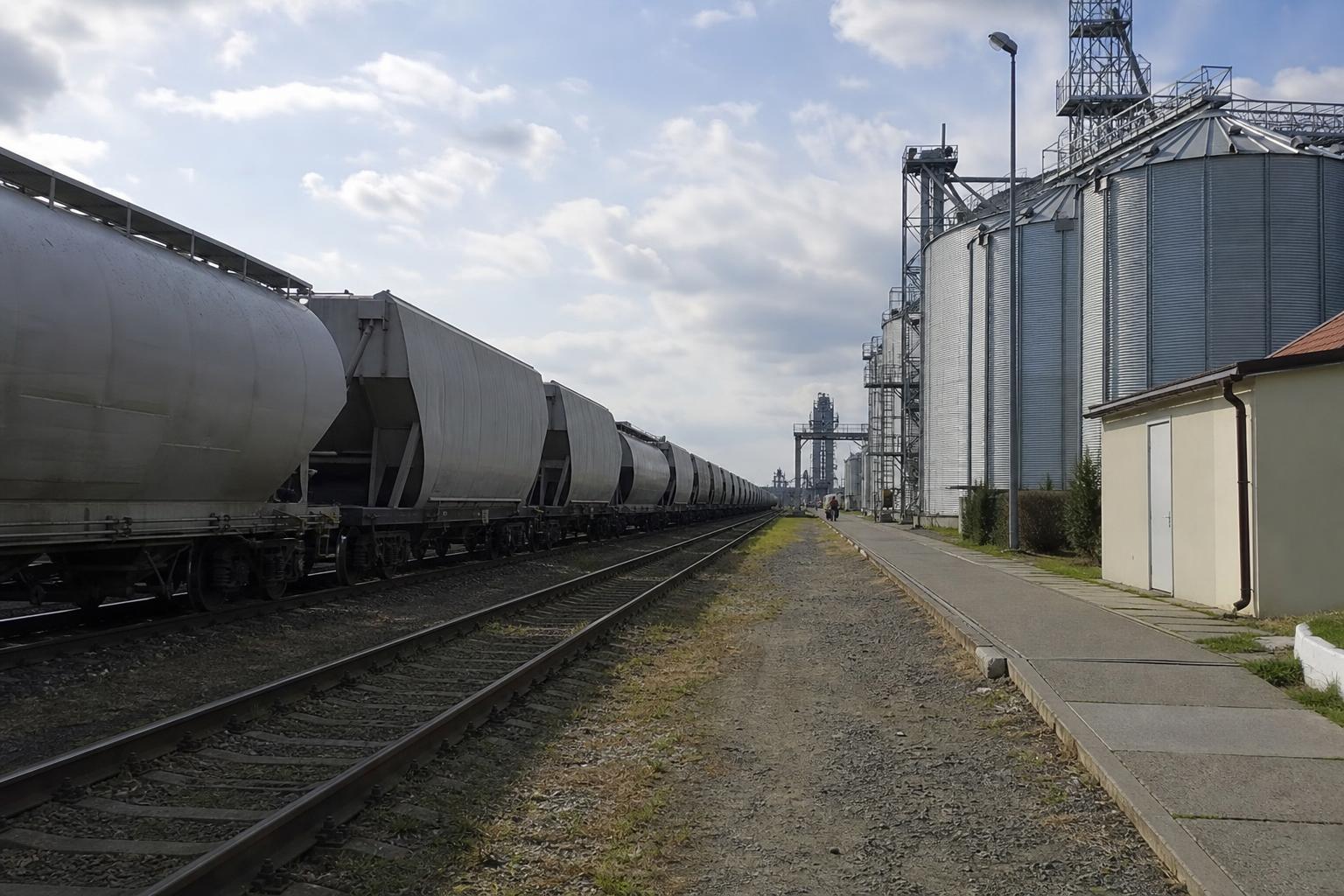
The Romanian railway route remains one of the key channels for exporting Ukrainian grain through the Port of Constanta. A new logistical signal has emerged: GFR, the carrier, has increased the rolling stock dedicated to Ukrainian grain shipments.
For agricultural producers, traders, and elevators, this does not automatically mean cheaper transportation, but it can influence route availability, shipment planning, and negotiations on dispatch timelines.
What has changed on the Romanian route
According to information shared during an online meeting between Ukrzaliznytsia representatives and carriers from Romania and Moldova on September 9, Romanian company GFR has increased the number of trains involved in transporting Ukrainian grain.
GFR representative Viktor Gurdish stated that currently, 27 trains are engaged in the shipments. On the route from the Vadul-Siret border crossing to Dornești to the port of Constanta, the number of trains has grown from 5 in August to 7 now.
The carrier also plans to add an additional 1–2 trains for Ukrainian grain. Separately, repairs are ongoing on grain wagons for another 1–2 trains, with completion expected within two to three weeks.
Why this is important for grain shippers
The increase in train numbers on the Romanian leg can expand operational possibilities for consignments passing through Constanta. This is especially relevant for companies engaged in rail export and connected to border crossings.
At the same time, additional rolling stock does not eliminate all logistical risks. For shippers, critical factors remain synchronization with the elevator, readiness of the batch for loading, documentation, route approval, and actual infrastructure capacity at junctions.
In negotiations with buyers, it is advisable to clearly specify who is responsible for the railway segment, at what stage the risk of delays transfers, and how prices may change in case of tariff adjustments or wagon delivery timelines.
What to pay attention to in agreements on AgroPost
- Route. Clarify whether it refers specifically to Vadul-Siret—Dornești—Constanta or another delivery channel.
- Loading conditions. It is recommended to specify the loading station, elevator, permissible wagon submission window, and minimum batch size in announcements or commercial offers.
- Transport type. For grain, it is important to separately agree on the availability of grain wagons, submission timelines, and responsibility for delays.
- Logistics price. Do not rely solely on the base product price. For export batches, the final margin often depends on the actual cost of delivery to the port or border crossing.
- Documents and timelines. Delays in documentation processing can negate the advantages of additional trains.
Key market conclusions
The Romanian route shows signs of increased railway capacity for Ukrainian grain. GFR has already increased the number of trains to Constanta and announced the possible involvement of additional rolling stock.
For grain sellers, this is an opportunity to update logistical calculations before signing contracts. For buyers, it offers a chance to more accurately assess delivery timelines and request detailed route information in proposals.
What this means for the market: Ukrainian grain traders should actively compare available export routes but avoid assuming automatic improvements in conditions without confirmed slots, wagons, and tariffs. On AgroPost, this increases the value of listings that specify logistics parameters alongside grain prices.
Comments
No comments yetNo comments yet - be the first.