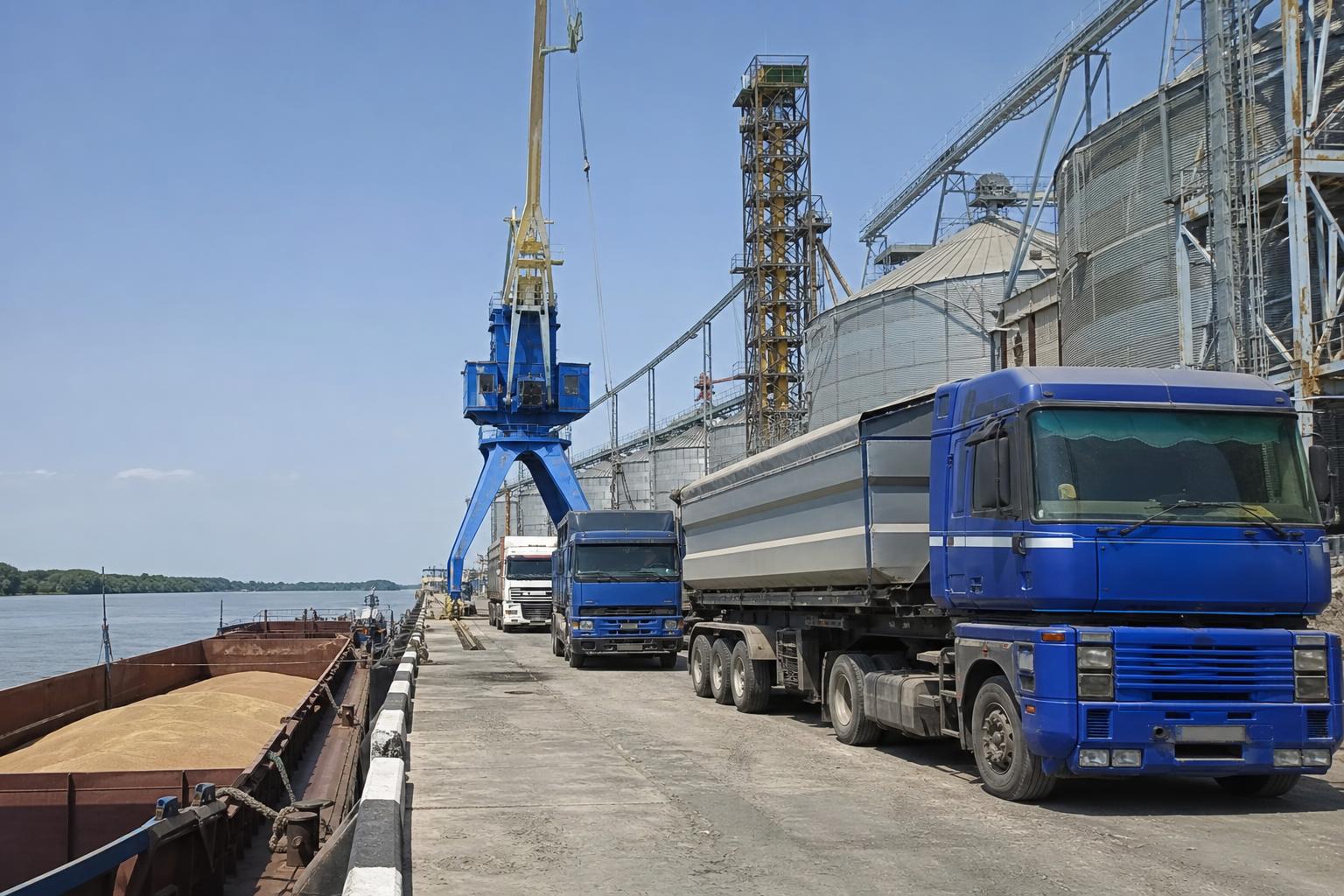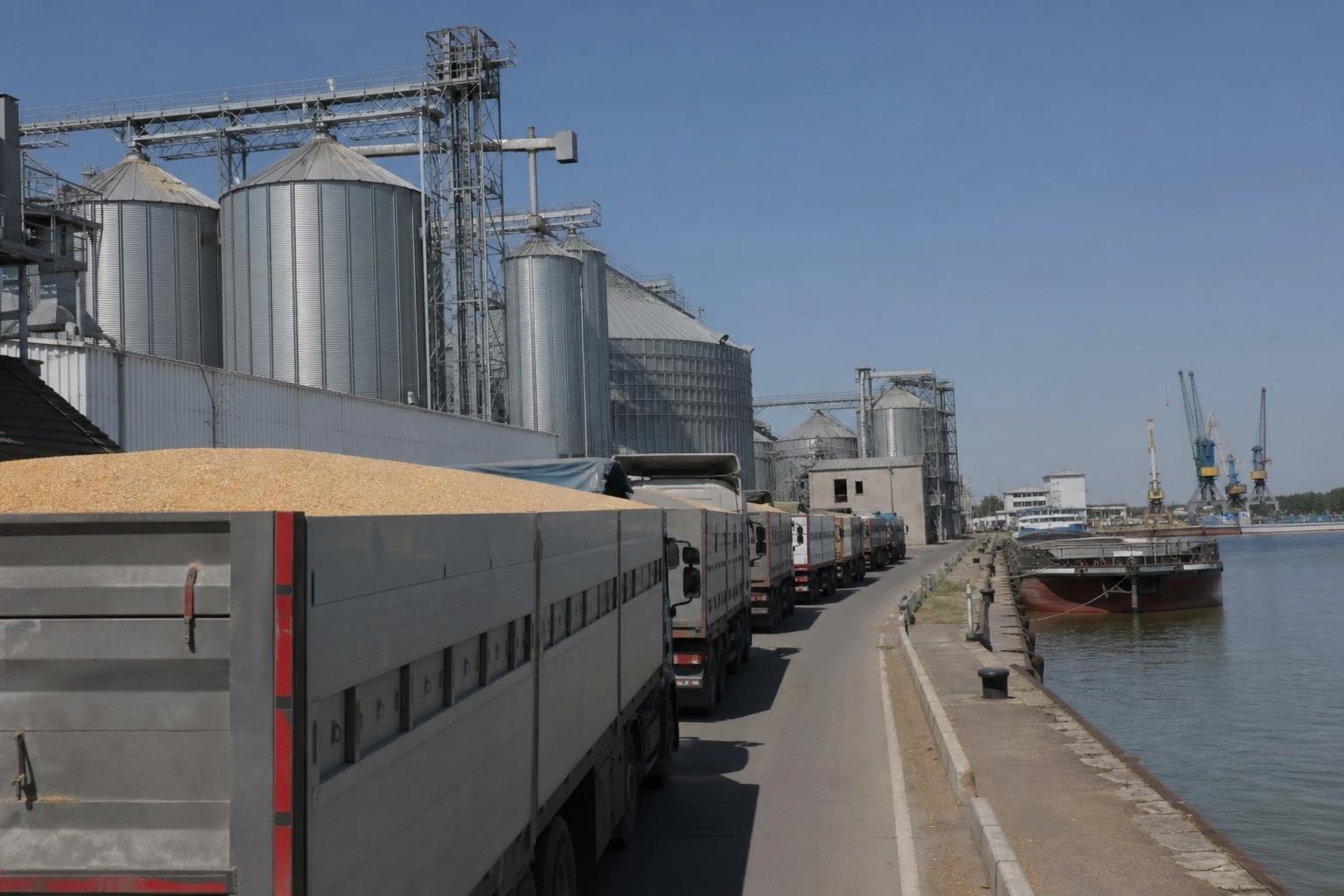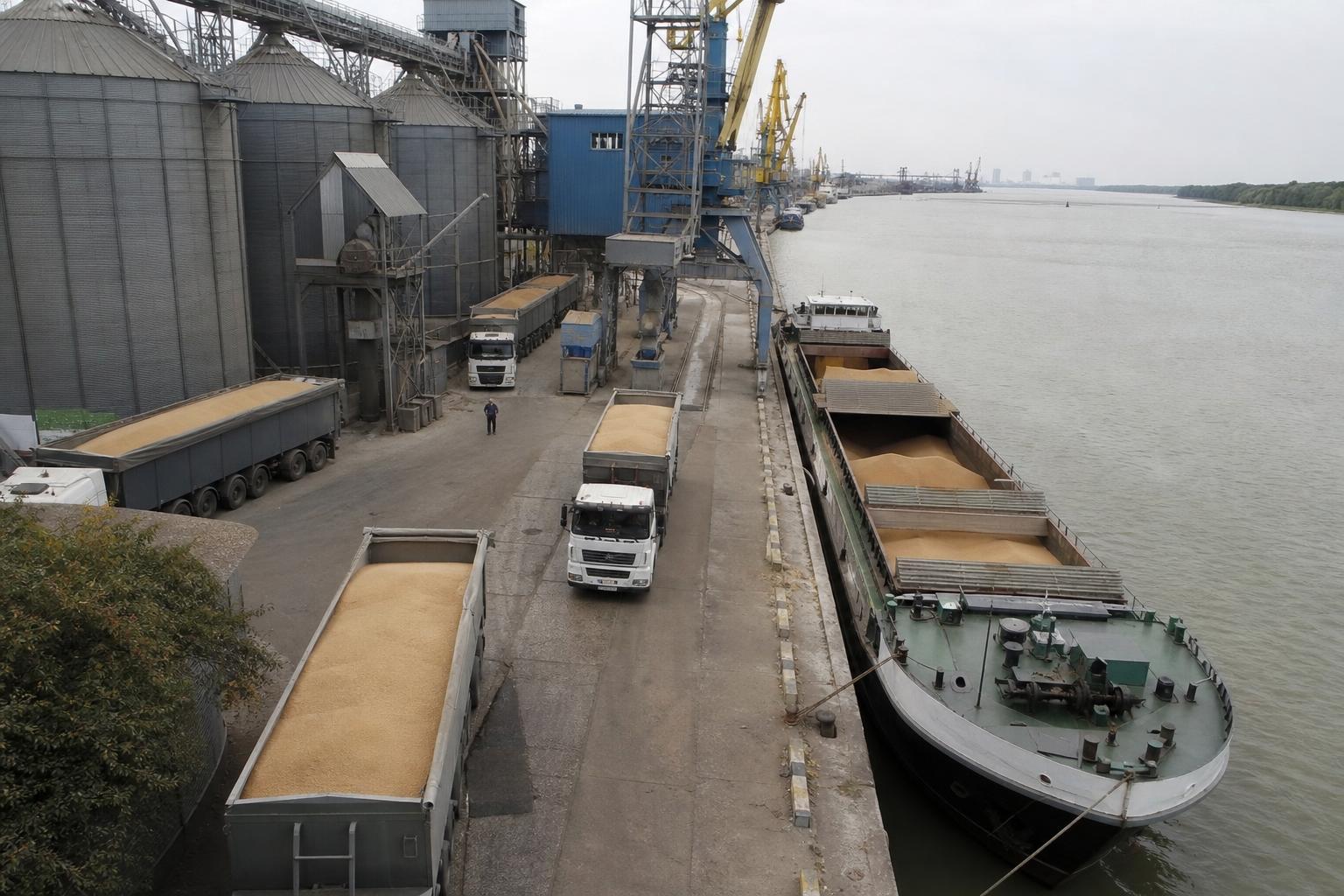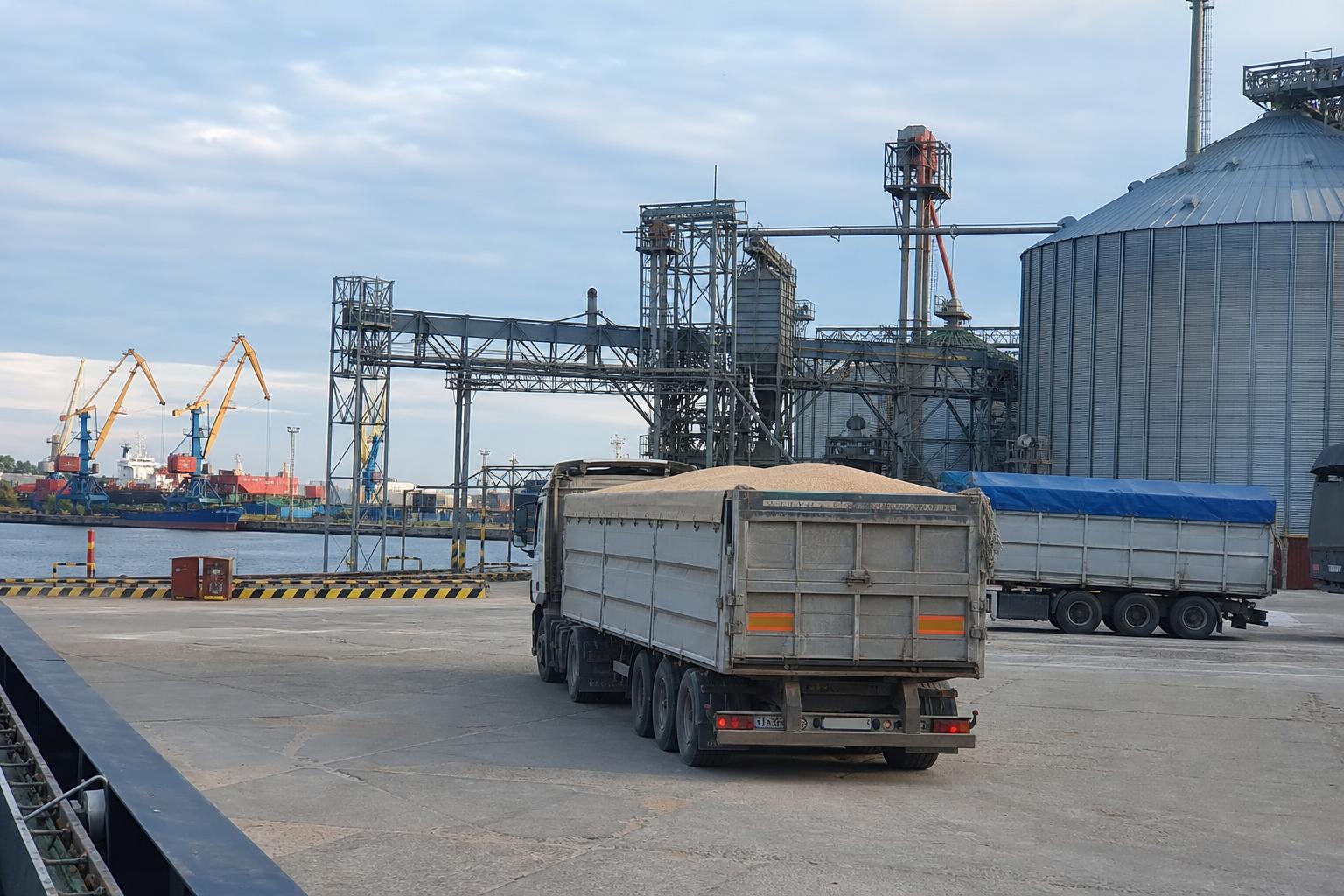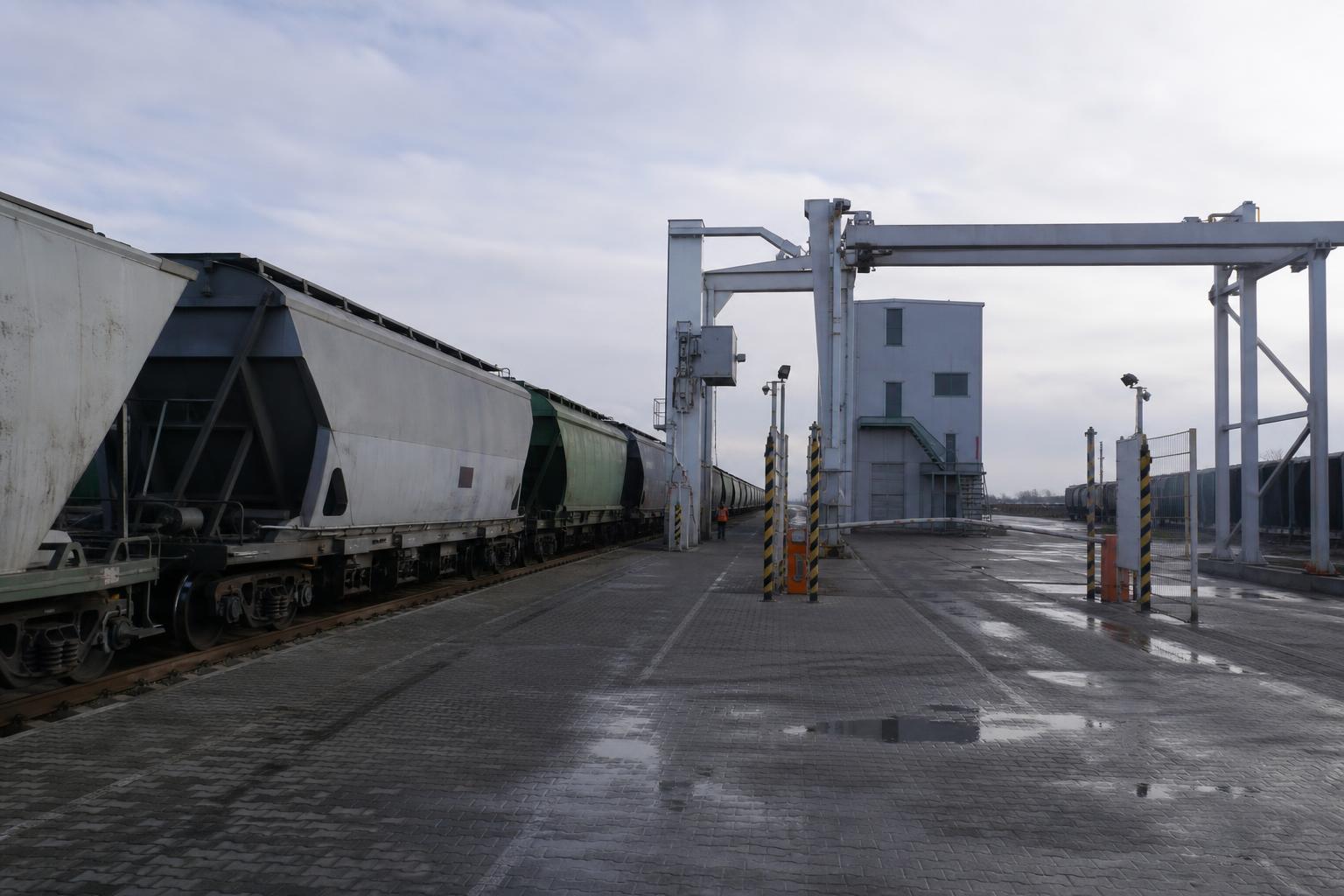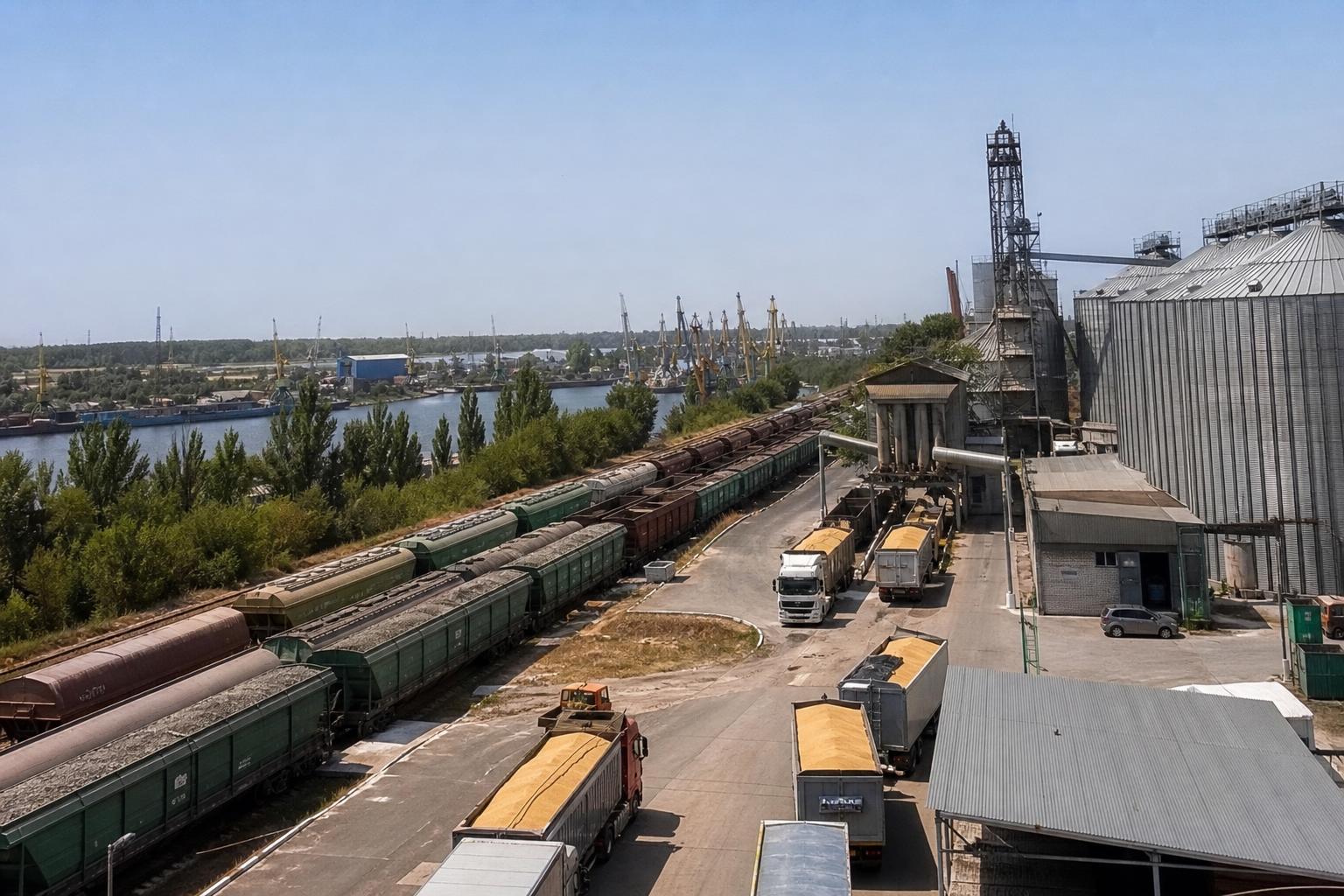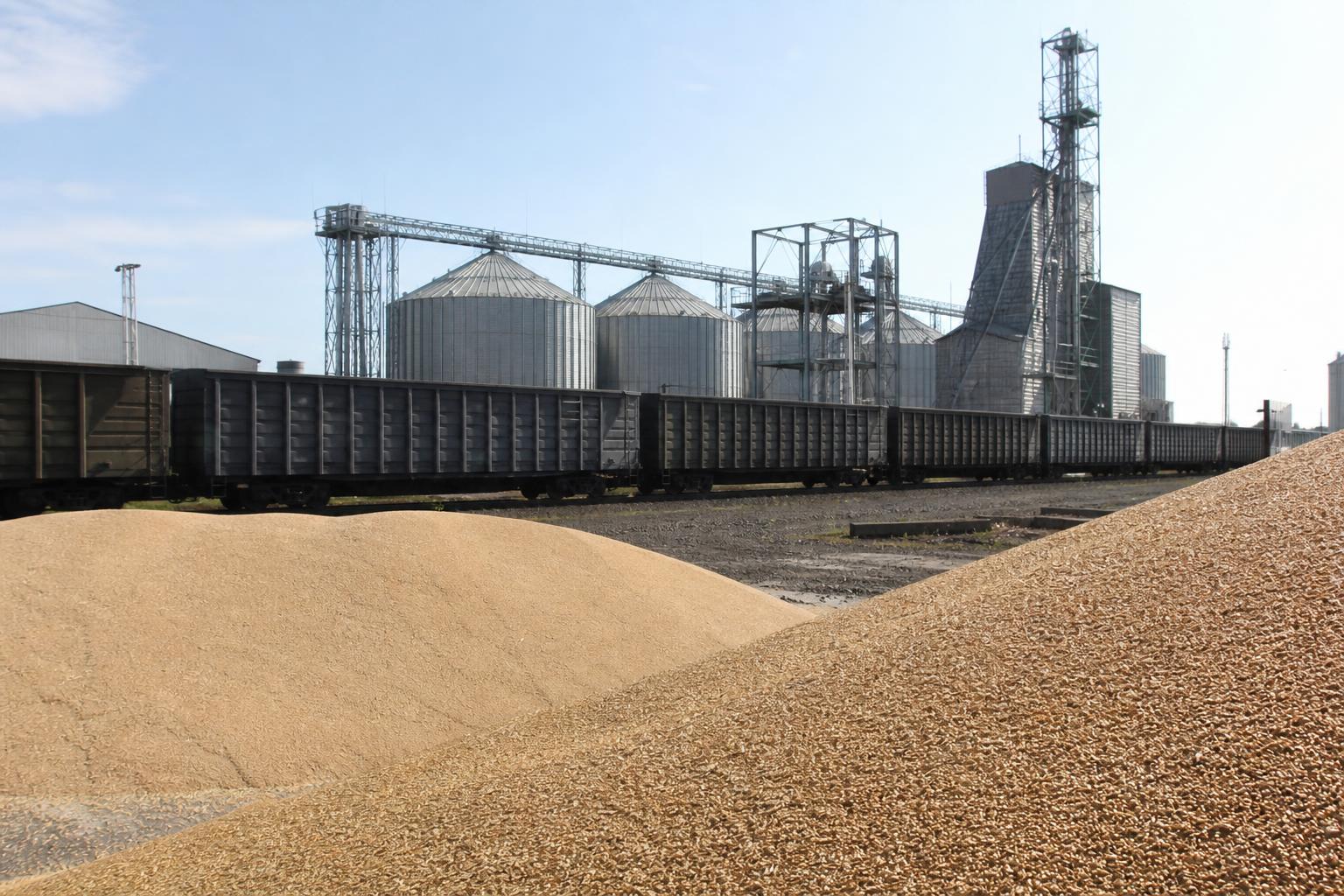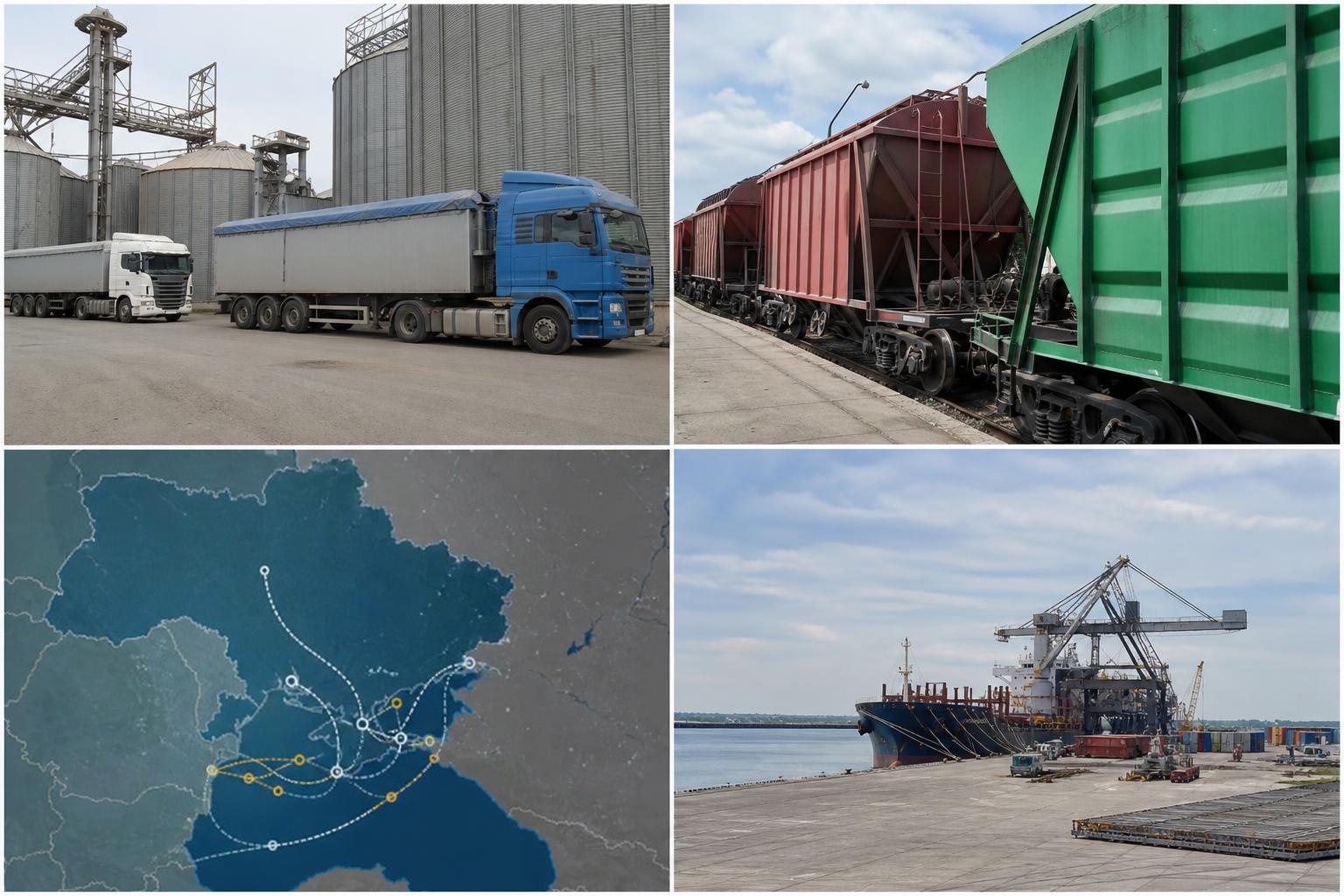
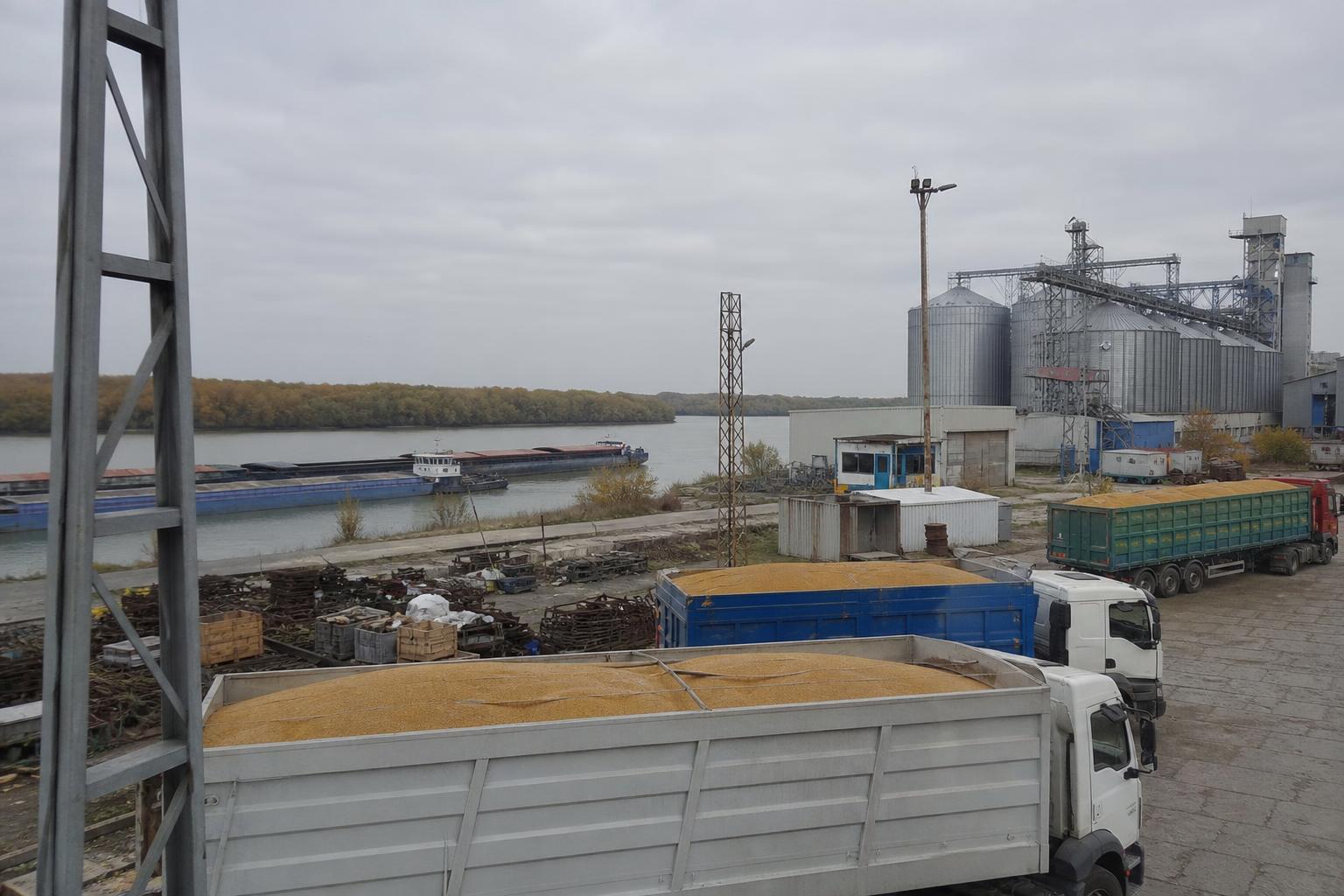
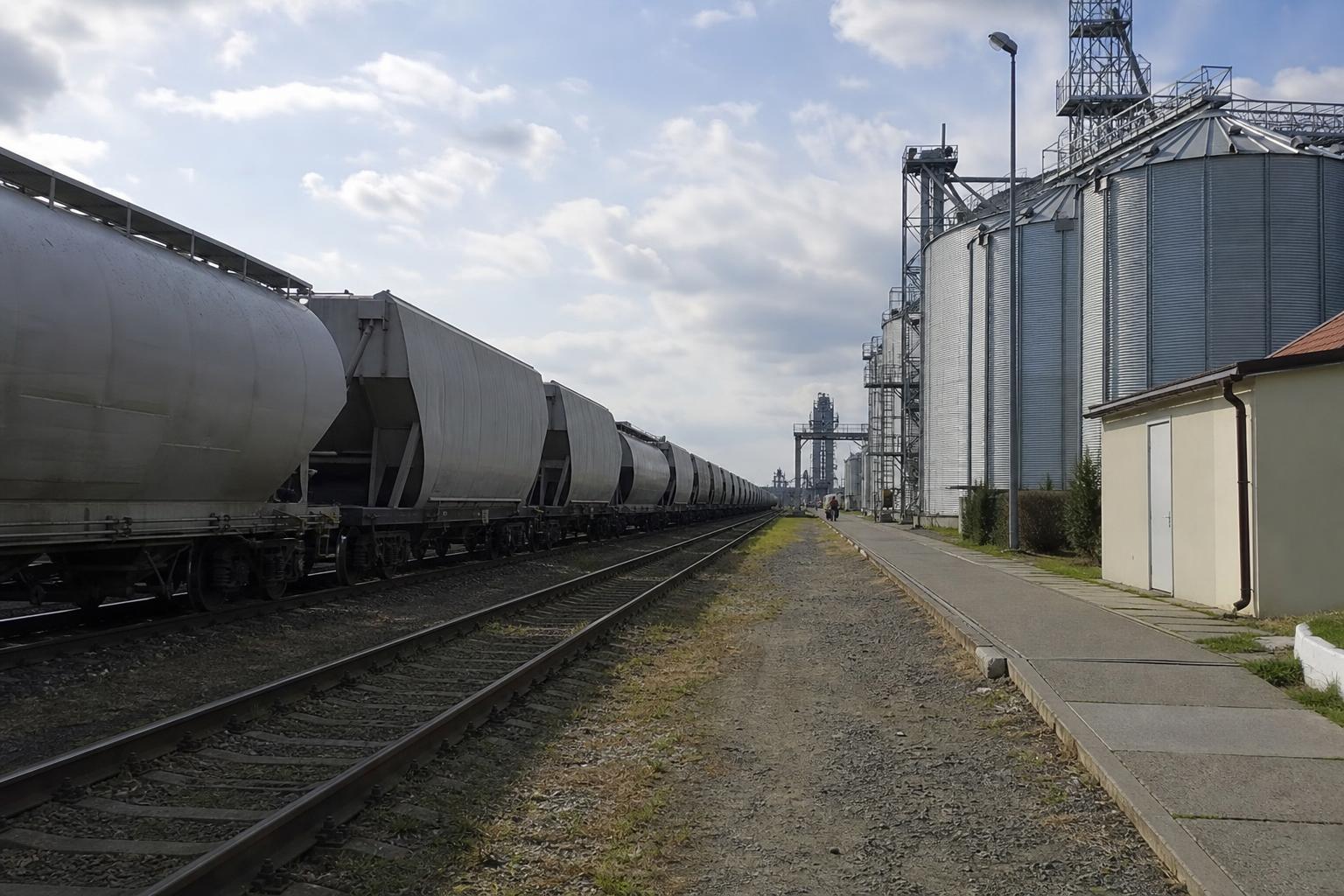
Romanian carrier GFR is boosting the number of trains transporting Ukrainian grain to Constanta. This signals Ukrainian sellers and buyers to plan logistics, border crossings, and loading conditions more carefully.
Ukrainian agricultural exports are experiencing a new logistical focus: after procurement difficulties at the western land border, some flows are increasingly moving through Danube ports and Constanța. For sellers and buyers, this means that product prices are becoming more dependent on route availability, delivery times, and idle costs.
Ukrainian food-grade wheat has increased in price for DAP Constanța, while high transportation costs impact farmers' winter sowing plans. For sellers and buyers, grain quality, port logistics access, and deal fixation speed are key.
Purchase prices for Ukrainian food wheat on DAP Constanța basis have increased amid congestion on the Danube route, queues near Sulina Canal, and restrictions on the western land corridor. For farmers and traders, precise calculation of delivery, delays, and contract deadlines becomes crucial.
Ukrainian food wheat in Romania's Constanta added $7–10/t over a week. Market reacts to Danube route congestion, border restrictions, and demand for quality grain.
Ukrainian agrologistics receives two contrasting signals: stationary wagon scanning at the Poland border is being prepared, while wheat exports through Constanța remain economically challenging due to high transportation costs and Danube restrictions.
The Ukrainian wheat market is reevaluating logistics: the route through Romania's Constanța becomes profitable only at higher global prices, while scanning of wagons at the Polish border is being prepared for faster control. For sellers, elevators, and buyers, this means increased attention to delivery basis, shipment deadlines, and alternative routes' costs.
Ukrainian grain sellers should pay closer attention to logistics costs and prepare documents tailored to specific export destinations. Market risks include port infrastructure issues, potential increases in railway transportation costs, and phytosanitary requirements from importers, particularly China for barley.
Following reports of port infrastructure damage in Taman, grain market attention shifts back to Black Sea security. For Ukrainian sellers and buyers, key factors remain transportation costs, railcar availability, and port risks on export routes.
Enter your email and we will send a password reset link.
Don't have an account?
Help improve AgroPost?
With your consent, Google Analytics measures navigation and listing steps. The service does not start without consent. The site works without it.
What we collect and how to change your choice
We send category, language, step number and whether an error or save occurred, not entered values, phone numbers, email addresses or listing text. Your choice is stored in this browser for up to 180 days. Advertising tracking stays disabled.
Use Analytics settings to change your choice. Withdrawing consent reloads the page to stop already loaded services: save any unfinished form first.