
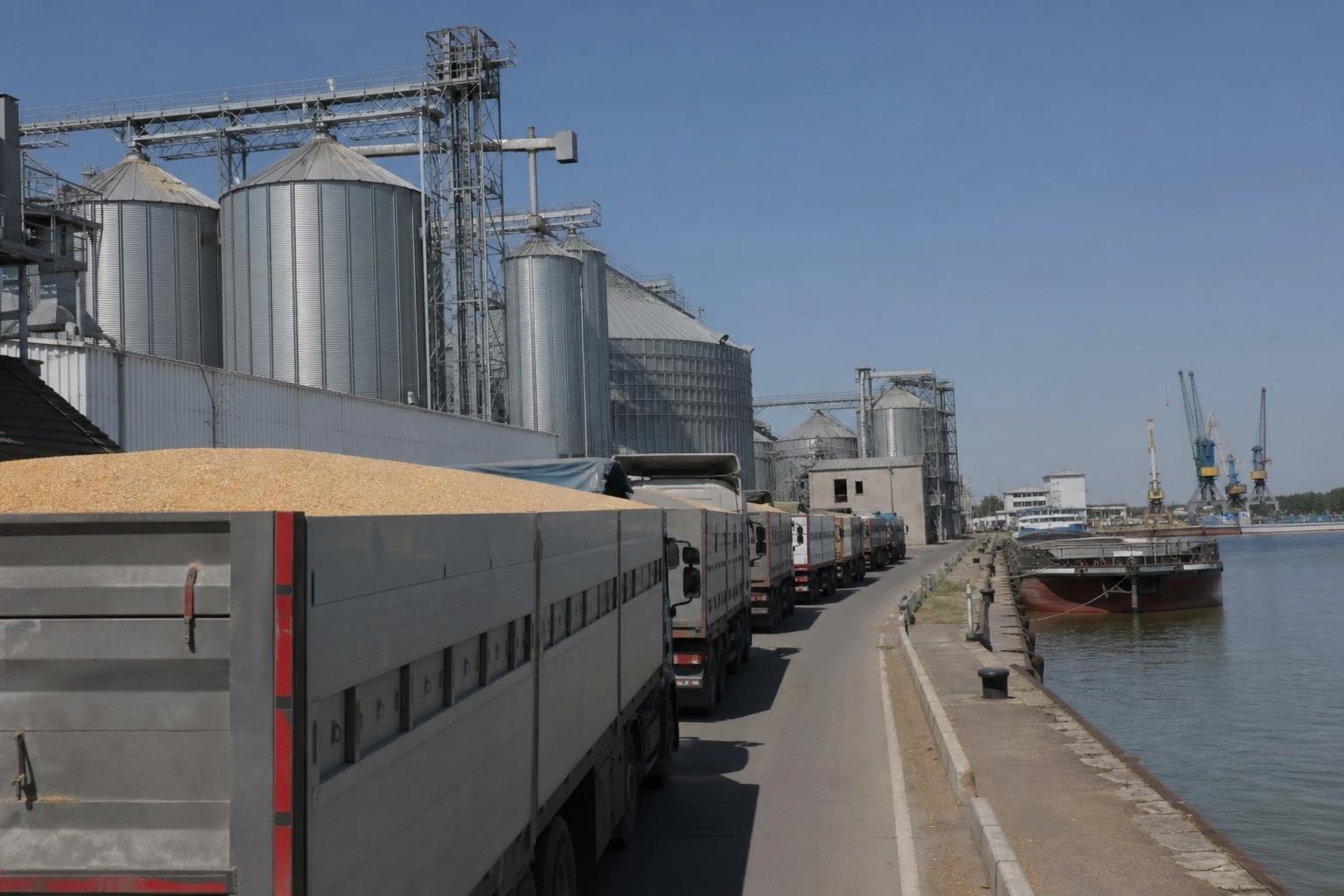
The Ukrainian grain market enters the autumn period with a clear signal: wheat prices are increasingly dependent not only on grain quality but also on access to operational export routes.
On the route to the Romanian port of Constanța, Ukrainian food-grade wheat received additional price support. At the same time, high logistics costs are already influencing producers’ plans for winter wheat for the 2027 harvest.
Constanța Offers a Premium for Wheat, but Not for All Sellers
As of August 27, purchase prices for Ukrainian 2nd class wheat on a DAP Constanța basis mostly ranged from $250 to $255 per ton. 3rd class wheat was purchased within the range of $245 to $250 per ton.
Over the week, prices increased by $7–10 per ton. This is an important benchmark for sellers of food-grade wheat, especially those with confirmed quality, proper documentation, and access to logistics towards the Danube or Constanța.
This premium on this basis does not automatically translate into increased net margins for all producers. If transportation costs, delays, or transshipment fees grow faster than the wheat price, the benefit may remain within the logistics chain rather than in the farm’s profit.
Why the Western Border Has Lost Activity
One of the factors behind changing flows has been the exhaustion of the EU duty-free quotas for Ukrainian wheat. Market estimates suggest this has sharply reduced procurement activity at the western land border.
As a result, part of the export shipments has been redirected to Ukrainian Danube ports and the Constanța route. For traders, this has increased the importance of access to barges, port infrastructure, and stable shipping schedules.
Additional pressure on the route is created by risks at Danube ports, low water levels on the Danube, and queues of vessels near the Sulina Canal. Market sources mention a queue of over 50 ships, exacerbating the problem of delays.
Winter Wheat Sowing: Producers Focus on Logistics, Not Yield
Ukraine’s Minister of Agrarian Policy and Food, Taras Vysotsky, stated that sown areas for winter wheat for the 2027 harvest are expected to decrease initially. The reason is high logistics costs, which in some cases make cultivation unprofitable.
The exact scale of reduction is expected in early October when more representative data on the sowing campaign will be available. The sowing of winter crops is estimated to continue at least until the end of October, and in some cases until early November.
This means that the future supply structure remains uncertain. However, producers are already comparing wheat with alternatives, including oilseeds, which in previous years increased their share in crop rotations amid challenging grain export economics.
Key Takeaways for Sellers and Buyers on AgroPost
- Food quality commands a premium. Buyers’ main interest is in 2nd and 3rd class wheat with confirmed quality indicators.
- Delivery basis is critically important. The DAP Constanța price does not equal the farm or elevator price within the country.
- Logistics shape bargaining power. Sellers with access to the Danube, ports, or organized rail delivery have more leverage in pricing.
- Buyers should secure transparent deal conditions. During queues, delays, and route changes, shipment deadlines, responsibilities, and quality confirmation are crucial.
What this means for the market. Ukrainian wheat remains liquid, but deal profitability increasingly depends on logistical margins. For sellers, it’s vital to consider not only exchange or port benchmarks but also the full cost of delivery. Buyers should quickly select quality lots and verify their actual shipment possibilities.
Comments
No comments yetNo comments yet - be the first.