
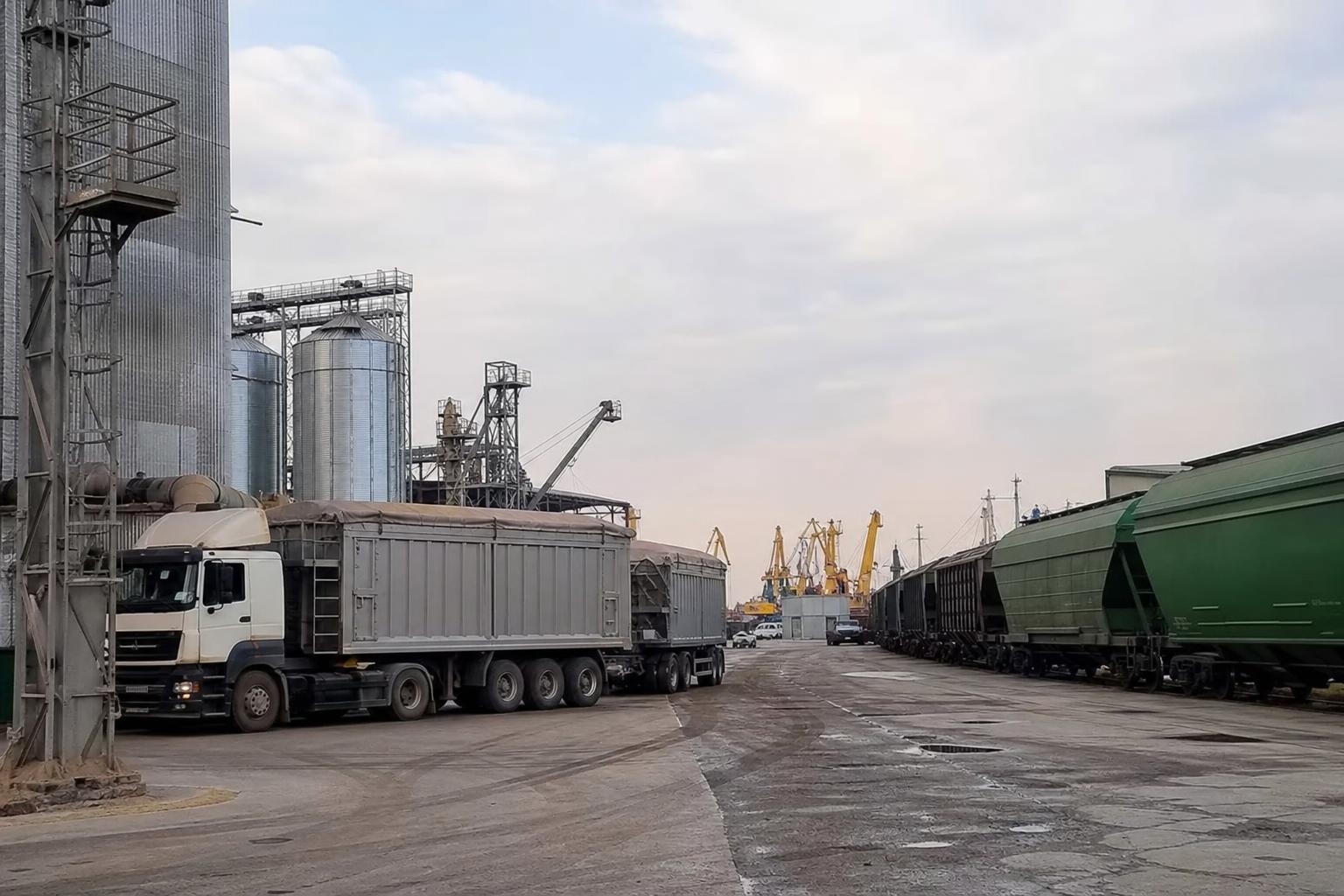
Ukrainian agricultural logistics remains sensitive to two main factors: route availability and the speed of processing commercial transactions. For grain sellers, this means that delivery costs can no longer be considered separately from delivery terms, documentation, and transit risks.
Recent market reports indicate that Baltic countries are paying closer attention to Russian grain transit, and Ukrainian grain trading platforms are expanding tools for contract management. For AgroPost participants, this is a practical signal: logistics proposals should be formulated alongside transparent delivery conditions and a complete set of documents.
Baltic Factor: Russian Grain Transit Under Political Pressure
Estonia stated that it considers the use of its ports for Russian grain exports unacceptable. According to the Estonian MFA, transit of such grain through the country is currently virtually absent, and authorities aim to maintain this situation.
Estonian Foreign Minister Margus Tsahkna also announced the country's readiness to implement its own sanctions if pressure arises to facilitate such transit. Estonia additionally plans to work with Latvia and Lithuania on regional or joint EU-level solutions.
For Ukrainian exporters, this does not automatically mean cheaper logistics or the emergence of guaranteed new routes. However, it provides important context for planning: some European states are tightening controls over grain origin and do not want to create additional channels for Russian exports.
Logistics Starts Before Loading
In grain operations, it is becoming increasingly important not only to find transport but also to quickly agree on delivery basis, price, volume, documentation, and payment. Ukrainian platform E-ZERNO announced an update to its functionality, enabling users to move from price proposals to contracts, electronic signatures, and initiating bank payments.
Among the announced tools are personal accounts, proposal and agreement management, document uploads, integration with electronic signatures, chat between parties, and notifications about key actions by counterparties. For grain deals, there is also an option to specify delivery conditions according to Incoterms rules.
This is practically important for logistics: carriers, elevators, traders, and sellers have less room for different interpretations if the delivery basis, volume, deadlines, and documents are fixed before the movement of goods begins.
What Sellers and Buyers Should Consider on AgroPost
- Specify the delivery basis. Grain listings should immediately indicate who is responsible for delivery, loading, transshipment, and accompanying documents.
- Check the route before signing the deal. If logistics involves transit through several countries, it is crucial to clarify current restrictions, origin requirements, and control documents.
- Fix quality and volume. For grain, this directly affects acceptance, payment, and possible price adjustments.
- Do not separate transport from finance. Contract or payment delays can disrupt loading schedules no worse than wagon or vehicle shortages.
- Prepare documents in advance. During active export periods, document turnover speed can become a seller’s competitive advantage.
Key Market Takeaways
Baltic countries remain a significant political marker for grain logistics in Europe. Estonia’s stance on Russian grain demonstrates that transit issues are increasingly viewed not only as commercial services but also as elements of sanctions and security policies.
In Ukraine, the importance of digital contract management is growing. For sellers, it offers a faster way to demonstrate readiness to buyers; for buyers, better control over deal stages until payment and shipment.
What this means for the market: participants who combine competitive pricing with clear delivery conditions, verified routes, and ready documentation will benefit in grain logistics. On AgroPost, this should be reflected in listings: the clearer the logistics model, the faster a buyer or transporter can assess the deal’s feasibility.
Comments
No comments yetNo comments yet - be the first.