
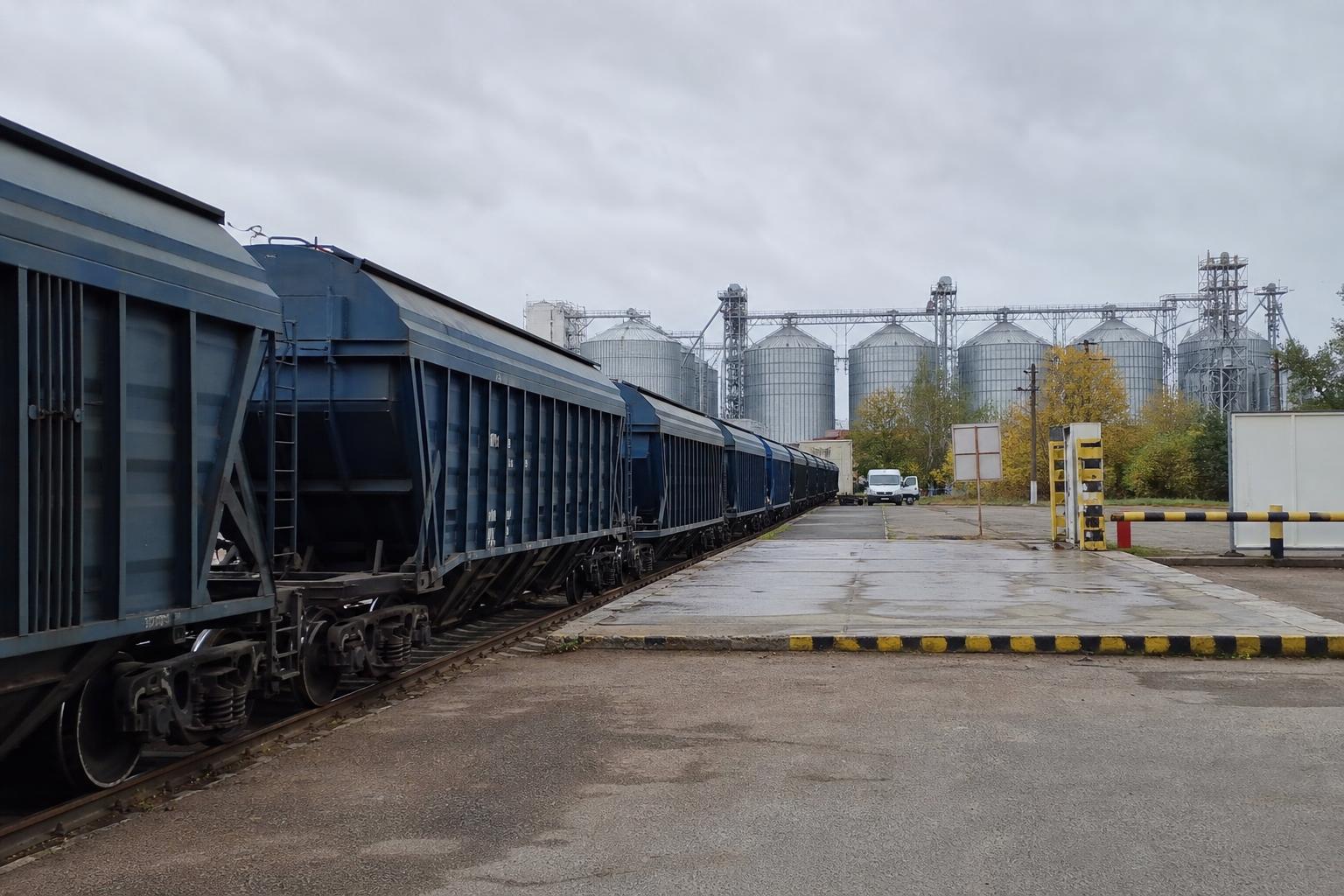
Rail logistics of grain through the western border significantly intensified at the beginning of October. According to data presented during the online meeting of "Ukrzaliznytsia" with agricultural market participants, the average daily transfer of grain wagons through western crossings increased by 56 units compared to September.
For agribusinesses, this signals the need to review routes, wagon submission timelines, and logistics costs more carefully. The uptick at the border does not automatically mean lower transportation costs but can shift the balance between directions and influence queues, contract planning, and delivery conditions.
The Polish route remains the most active
In the first six days of October, an average of 106 grain wagons were transferred to Poland daily. This is 37 wagons more than in September and currently represents the highest figure among western routes.
For grain sellers working with buyers in the EU or exporting transit cargo, the Polish route may remain a key option for operational planning. At the same time, increased flow requires prior coordination of schedules with shippers and receiving parties.
Hungary and Romania also increased acceptance
On the Hungarian route, the average daily transfer of grain wagons grew by 14 units to 89.2 wagons per day. The Romanian route added 15 wagons, reaching 72.7 wagons per day.
Romania remains important for agricultural logistics due to its railway connections with the Danube and port infrastructure. It was separately reported that an agreement was reached to maintain a daily transfer of six train pairs to the Constanta port, with plans to increase to 10 pairs, contingent upon the accelerated repair of railway and port infrastructure.
Slovakia's activity decreased, and wagon accumulation remains a risk factor
The situation on the Slovak route was opposite: grain transfer decreased by 10 wagons to 68.5 wagons per day. This should be considered by those planning to reroute cargo specifically through this crossing.
Earlier reports indicated that wagon accumulation with grain at the western borders exceeded 4,000 units. As of September 29, railway transportation of grain cargo amounted to 1.371 million tons, representing a 15.9% increase compared to August but a 36% decrease compared to September last year.
What sellers and buyers should consider on AgroPost
- Specify logistics conditions in your listings. For grain offered for export or transit, it is crucial to immediately specify the delivery basis, wagon availability, and preferred route.
- Compare routes before finalizing deals. Poland currently shows the largest increase in wagon transfers, but this does not eliminate risks of queues and cost fluctuations.
- Allow for time buffers. Even with increased average daily transfers, accumulation near the border can affect actual delivery timelines.
- Check wagon fleet costs. From October 1, the rental rate for grain wagons of the "Transport Logistics Center" branch of "Ukrzaliznytsia" increased to 3,371 UAH per day, up by 100 UAH after four months of no change.
Implications for the market: The western railway border is regaining activity as a grain export channel, but the market remains sensitive to crossing capacity, wagon costs, and infrastructure readiness within the EU. For AgroPost participants, this underscores the importance of more precise logistics planning before listing a batch for sale or confirming procurement.
Comments
No comments yetNo comments yet - be the first.