
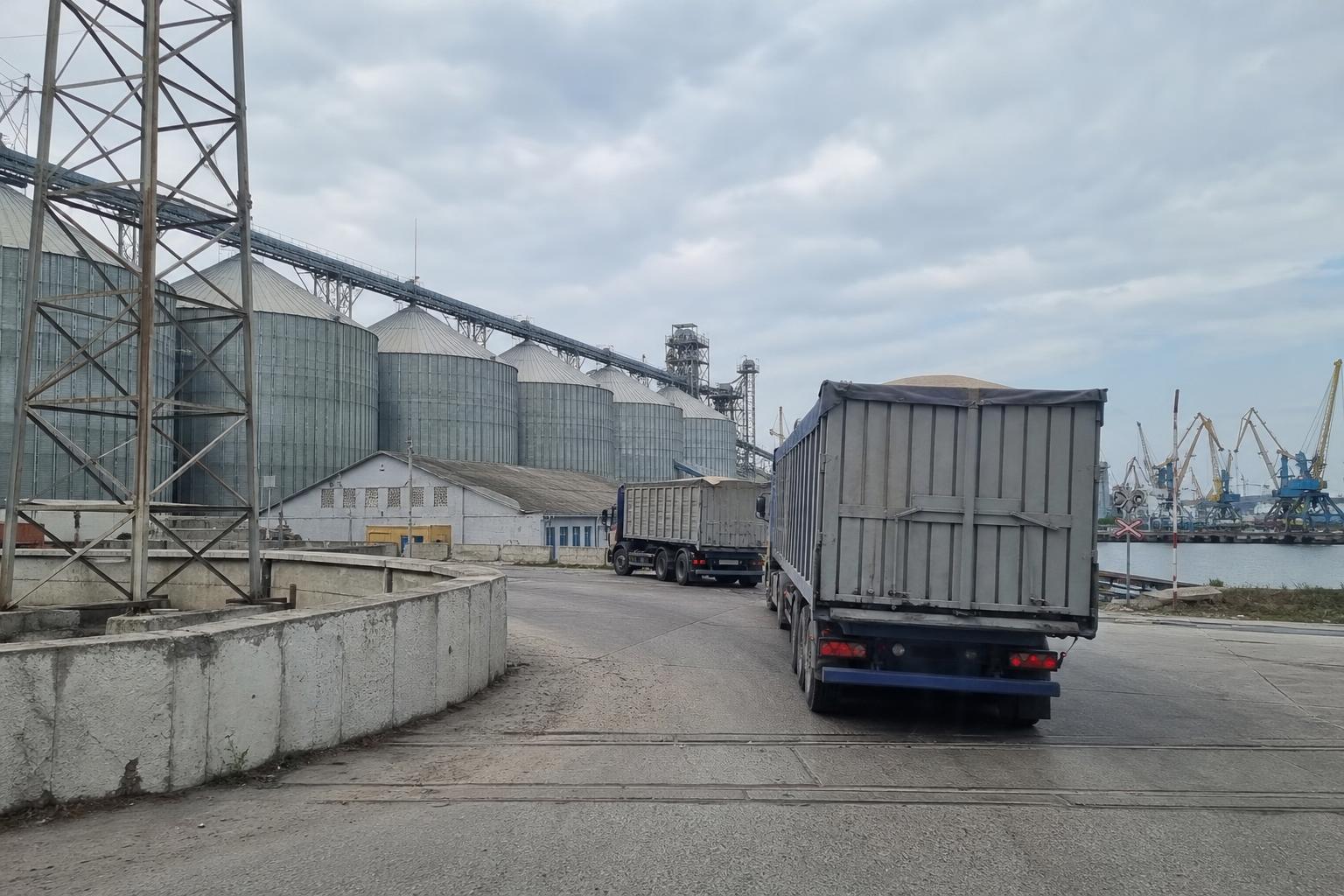
Ukrainian agricultural logistics remains a key factor influencing prices for grain, oilseeds, and processing products for both sellers and buyers. Currently, the market faces multiple constraints: capacity shortages for exports, security risks for shipping, and maintenance works on critical road routes to the EU border.
For AgroPost participants, this means that agreements should carefully consider not only the product price but also route availability, delivery timelines, transshipment queues, and the risk of transportation cost fluctuations.
Export Capacity: Market Discusses Priority for Meal and Cake
The All-Ukrainian Agrarian Council has opposed giving priority to meal and cake during export shipments, border crossings, and port transshipment. The association argues that, given capacity shortages, such prioritization could limit access to infrastructure for grain and oilseed cargoes.
According to the Ministry of Agrarian Policy, in September, exports of main agricultural commodities totaled 2.17 million tons. Of this volume, 992.2 thousand tons passed through Danube ports. This highlights the importance of the Danube route but also indicates high competition for transshipment and transportation.
The Ukrainian Agrarian Council estimates the potential volume of prioritized meal and cake exports at 380–390 thousand tons per month. Combined with the proposed quota for sunflower oil at 400 thousand tons, this could occupy approximately 36% of available export capacity, according to the association.
An additional argument concerns the domestic feed market. Meal and cake are used in livestock and poultry industries, so accelerated export of these products could intensify competition for raw materials domestically. The VAA also notes that in Constanța, sunflower meal was valued at $255–265/ton, while wheat and corn were priced at $272–275/ton.
Maritime Route: Security Risks Extend Beyond Ukrainian Ports
Following attacks on two civilian vessels in Bulgaria’s exclusive economic zone, market attention has shifted back to the security of Black Sea routes. Ukrainian President Volodymyr Zelensky stated that, according to clarified information from Bulgaria, the incident involved a Russian combined attack using maritime and air drones.
Reportedly, the vessel ALFA WATAN under the Togo flag sank, and the vessel ABLE under the Palau flag caught fire after the attack. All 18 crew members of ABLE were evacuated, with two injured.
For agricultural exports, such incidents are significant not only due to direct security concerns. Any increase in risks along Black Sea routes can influence shipowners’ decisions, insurance conditions, freight availability, and the willingness of counterparts to operate in specific directions.
Western Road Corridor: Restrictions on M-09 Extended
The temporary restrictions on trucks and international buses on the M-09 Ternopil – Lviv – Rava-Ruska route have been extended until November 10, 2026. The restrictions are related to major road repairs.
Works are ongoing in Rava-Ruska, including stormwater drainage, laying the lower layer of the road surface, and repairing the bridge over the Rata River. Additionally, a roundabout is being constructed at the intersection of M-09 and T-14-04 roads.
Heavy-duty transport and international buses are advised to take detours. Farmers, traders, and carriers should allocate extra time for routes, verify current traffic schemes, and avoid planning critical deliveries without buffer time.
Key Takeaways for Sellers and Buyers
- Verify logistics before signing a contract. The product price without confirmed routing can quickly become outdated.
- Clarify delivery terms. For grain, oilseeds, meal, and cake, it’s important to specify who bears costs in case of delays or transshipment issues.
- Monitor western border crossings. Repairs on M-09 may affect scheduling for Rava-Ruska-bound shipments.
- Account for freight risks. The situation in the Black Sea can change the availability and cost of maritime transportation.
- For domestic feed buyers, speed of contracting is crucial. Increased competition for meal and cake may impact procurement budgets for livestock and poultry enterprises.
Implications for the Market
Ukrainian agricultural logistics is shifting towards more targeted planning: a single route no longer guarantees stable transaction economics. Sellers on AgroPost should immediately specify available delivery options and realistic shipment timelines, while buyers should compare proposals not only by price per ton but also by the full cost of delivery to elevators, ports, borders, or processing facilities.
Comments
No comments yetNo comments yet - be the first.