
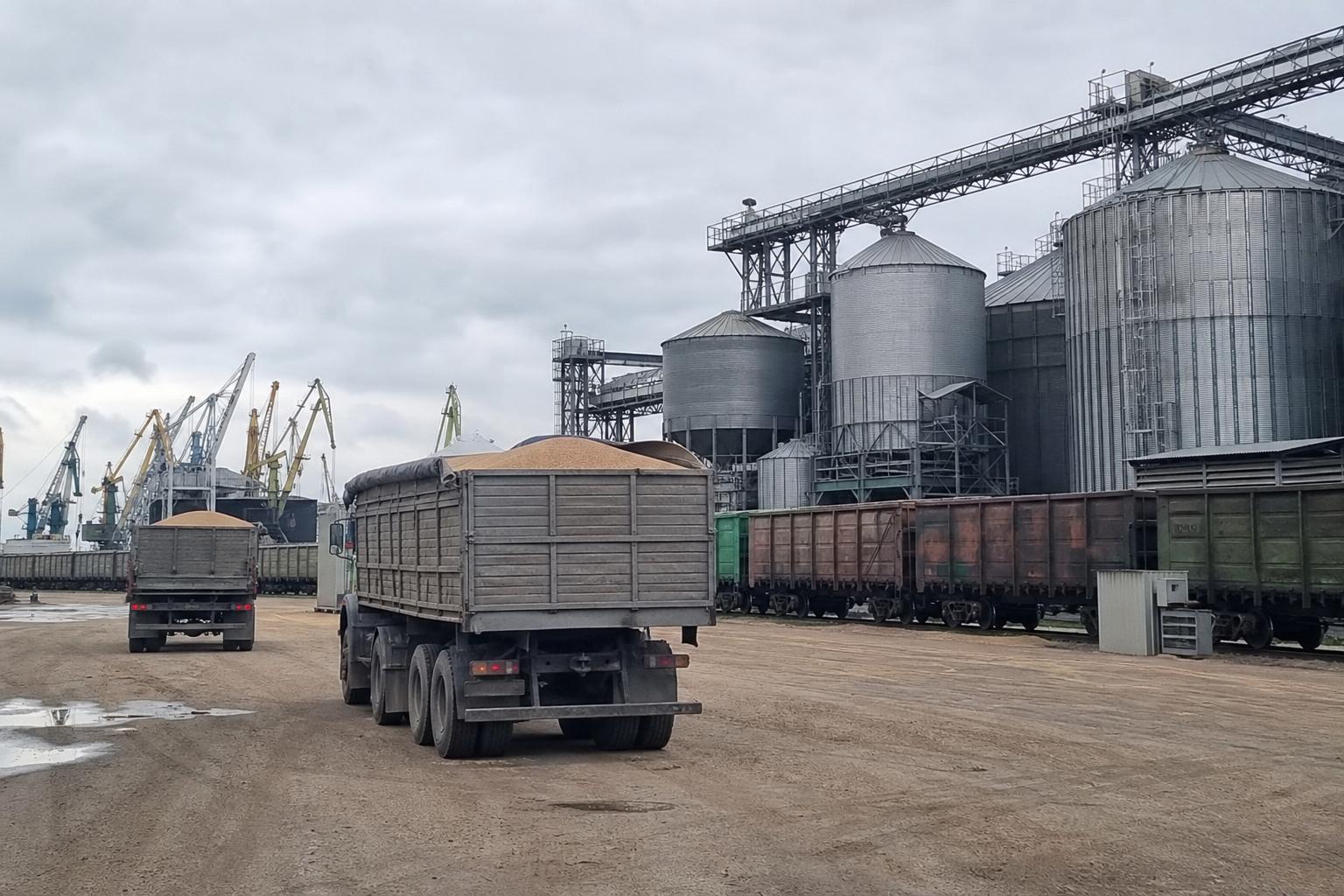
Ukrainian agricultural logistics is entering a period where the mere presence of demand for products no longer guarantees quick exports. For grain and oilseed sellers, key factors become the route, shipment timing, port queues, and the buyer’s readiness to work with alternative destinations.
The market shows two simultaneous signals: Turkey and the Mediterranean may be more promising for Ukrainian soy, but one of the region’s important transit hubs — the Romanian port of Constanța — primarily services Romania’s own exports.
Constanța: high cargo turnover but small Ukrainian share
According to data shared by AGRIColumn expert Ceasar George, approximately 8 million tons of cargo passed through Constanța port since July 1. Of this volume, about 7.3 million tons were of Romanian origin, around 550,000 tons were Ukrainian transit grain, and the rest consisted of cargo from Moldova.
For Ukrainian market participants, this is an important indicator: Constanța remains a significant logistics hub but is not an "exclusive reserve" solely for Ukrainian transit. The port operates with high throughput, but its simultaneous storage capacity is estimated at approximately 2 million tons.
Romania also actively exports its own wheat. It was reported that the country has already exported over 3.5 million tons of this grain, and additional potential sales could further strain port infrastructure.
Implications for Ukrainian shippers
The main takeaway for grain and oilseed exporters is that routes through regional ports need to be booked and planned in advance. If a contract specifies delivery through a particular port, the seller should have a backup plan in case of delays or changes in transshipment availability.
- Sellers should clarify actual timelines for wagon, truck, and vessel dispatch before finalizing the price.
- Buyers should verify whether their counterpart can fulfill the delivery within the declared window, especially if the cargo transits through congested routes.
- Logistics companies should include not only tariffs but also expected transit times and potential bottlenecks in commercial proposals.
Soybean: opportunities for Turkey and the Mediterranean depend on logistics
The soybean market does not set a global trend for Ukraine but can serve as an alternative supplier for Turkey and Mediterranean countries. This assessment was voiced by co-founder and director of Atria Brokers, Jan Kozirytskyi, during AgroFoodSummit 2026 in Mersin.
The key factors for the global market remain China’s purchases, the choice between Brazilian and American soy, and weather conditions in Brazil. If major suppliers cannot meet importers’ needs in time, buyers may seek alternative sources.
For Ukraine, this situation creates an opportunity window, but it is difficult to realize without reliable logistics. Public comments cite logistics and security situations as main risks for Ukrainian exports.
Practical guidelines for agreements on AgroPost
Within the marketplace, sellers should clearly specify the delivery basis, shipment region, available transport, and readiness to work with export batches. For buyers, it’s important to compare not only the product price but also the total delivery cost to the port or final destination.
Special attention should be paid to quality and documentation. For soy, wheat, and other export crops, the logistical attractiveness of a batch increases if the seller can quickly confirm volume, quality indicators, and readiness for shipment.
What this means for the market: Ukrainian exports have potential toward Turkey and the Mediterranean, but competition for port and transit capacities makes logistics part of the price. Participants who sell with a well-calculated route, timelines, and backup plans will hold the strongest position.
Comments
No comments yetNo comments yet - be the first.