
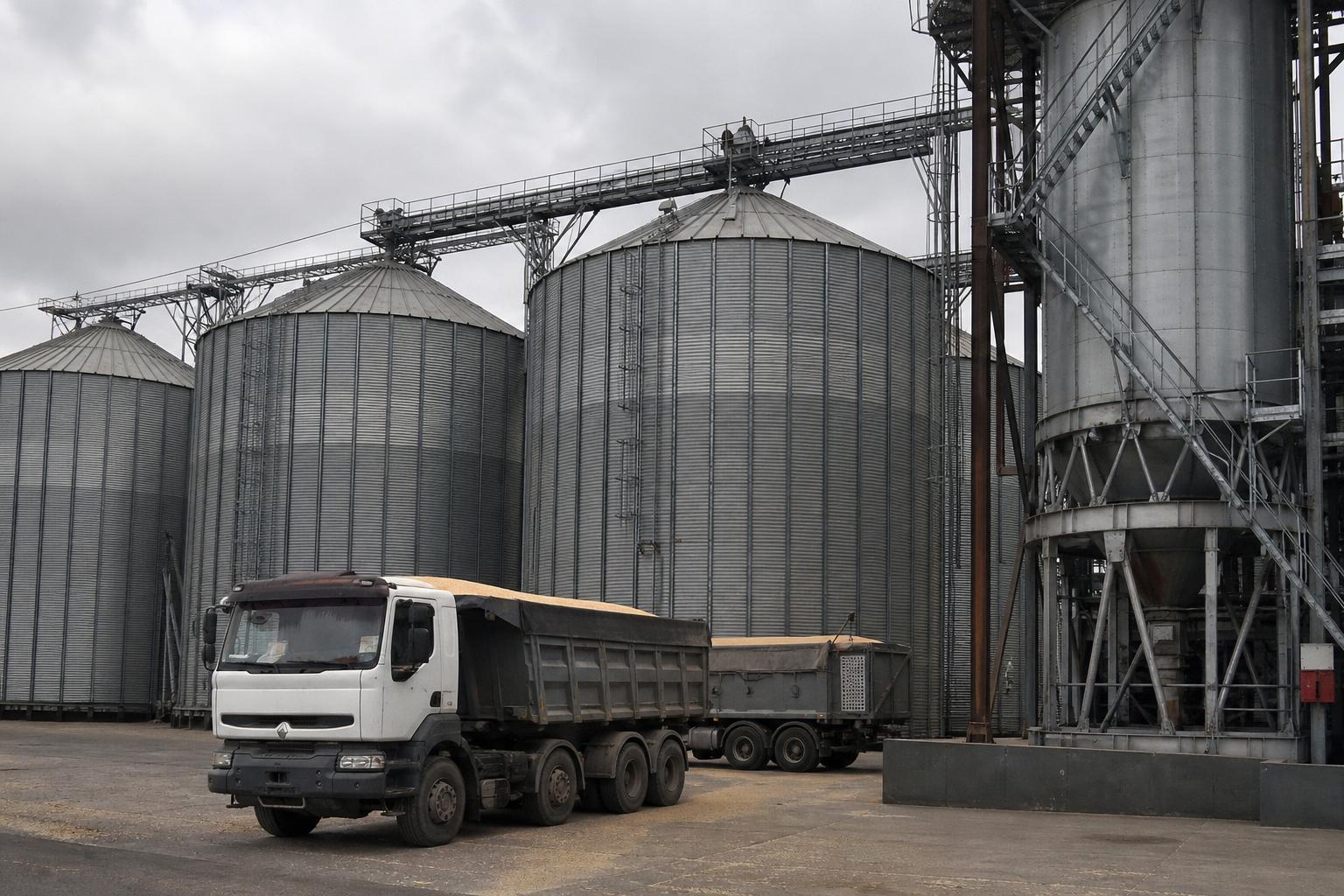
Grain export problems are putting Ukrainian producers under double pressure: unsold products are accumulating in the country, while cash inflows are shrinking. According to Andriy Vadaturskyi, CEO of NIBULON, if the situation develops this way, the first farm bankruptcies could occur as early as spring 2027.
For grain sellers, this means that sales terms and payment timelines are becoming no less important than the quoted price. For buyers and traders, it means that domestic market supply could increase amid limited export capacity.
Export disruptions affect domestic supply
According to Vadaturskyi, attacks on ports and processing facilities are limiting the ability to ship sufficient volumes of grain. As a result, more unsold products remain on the domestic market, putting prices under pressure.
A report by Elevatorist, citing Bloomberg, says that Ukrainian agricultural exports have fallen by about a third since the start of the current marketing year. This estimate covers agricultural products overall, not grain alone.
Lower revenues make it harder to finance production
Falling prices and slower cash inflows are compounding rising fuel and fertilizer costs. Vadaturskyi also points to a decline in lending to agricultural businesses. In his assessment, a shortage of working capital could force farms to invest less in sowing and growing the next crop.
The impact of marketing difficulties may also be reflected in the financial results of major agricultural companies. Eavex Capital analysts forecast a net loss of about €35 million for Astarta in 2026, citing, among other factors, risks to its assets and problems exporting grain.
What sellers and buyers should consider
- Sellers: assess the net proceeds from a deal, taking into account logistics, payment timelines and working capital needs.
- Buyers: confirm available volumes, shipment terms and payment schedules before agreeing on a price.
- Both parties: document the key contract terms and assess the risk of shipment delays in advance.
What this means for the market
If export restrictions persist, pressure on domestic supply and farm liquidity could intensify. On AgroPost, grain sellers and buyers should clearly specify volumes, delivery basis and terms in their listings, and agree separately on payment and shipment timelines during negotiations.
Comments
No comments yetNo comments yet - be the first.