
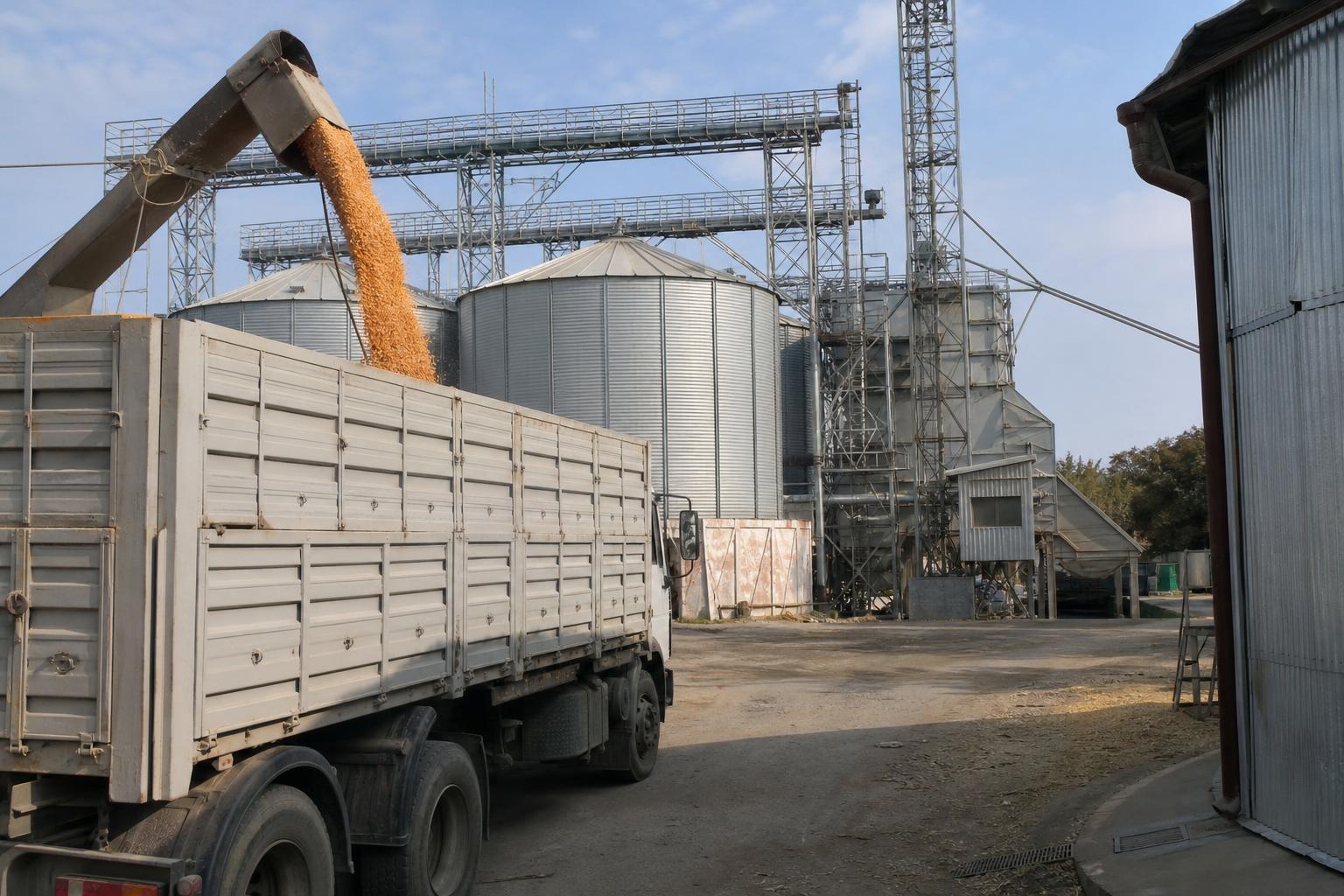
Ukraine’s grain market could enter the 2026/2027 marketing year with a substantial surplus of carryover stocks. According to the Ukrainian Agrarian Confederation, stocks of wheat, corn and barley could reach 32.7 million tonnes — three times the level of the previous season.
For sellers, this means carefully planning sales, storage and delivery schedules. The projected volumes could give buyers and processors a wider choice of offers, although the actual situation will depend on exports and the pace of shipments.
Exports are key to stock levels
UCAB’s forecast puts production of the three main grain crops at 59.2 million tonnes and domestic consumption at 16.9 million tonnes. Exports in the 2026/2027 marketing year could fall to 20.2 million tonnes, down from 37 million tonnes in the previous season.
According to the confederation’s calculations, annual exports would need to reach at least 42.5 million tonnes to prevent further grain accumulation at these production and consumption levels. Even under this scenario, the stocks already accumulated would not be reduced quickly.
Corn is expected to see the largest increase
Ending corn stocks could rise to 19.2 million tonnes, up from 5.7 million tonnes in the previous season. Corn exports are forecast at 6 million tonnes, compared with 21.3 million tonnes a year earlier. Corn could account for nearly 59% of the combined stocks of the three main grains.
Wheat stocks at the end of the season are estimated at 10.9 million tonnes, while barley stocks are put at 2.6 million tonnes. These are forecasts, not confirmed final balances: actual figures will depend, among other things, on production and export volumes.
What sellers and buyers should consider
According to UCAB, large carryover stocks could continue to weigh on domestic prices. For an individual farm or buyer, however, the factors that matter are not just national volumes, but also the availability of elevator capacity, storage conditions, transport distance and shipment schedules.
- Sellers: Compare procurement and logistics offers, assess storage costs and avoid basing sales plans on a single export scenario.
- Buyers: Track the regional availability of the crop they need, lot quality and delivery times rather than relying solely on projected total stocks.
- Elevator market participants: Prepare operational plans for the possibility that large volumes of grain will need to be stored for an extended period.
What this means for the market
If the projected decline in exports materializes, competition for domestic sales channels could intensify, and stocks could remain in the system for longer. For grain sellers, comparing prices, storage and delivery options in advance will be especially important; buyers will need to find suitable lots and reliable suppliers.
Comments
No comments yetNo comments yet - be the first.