
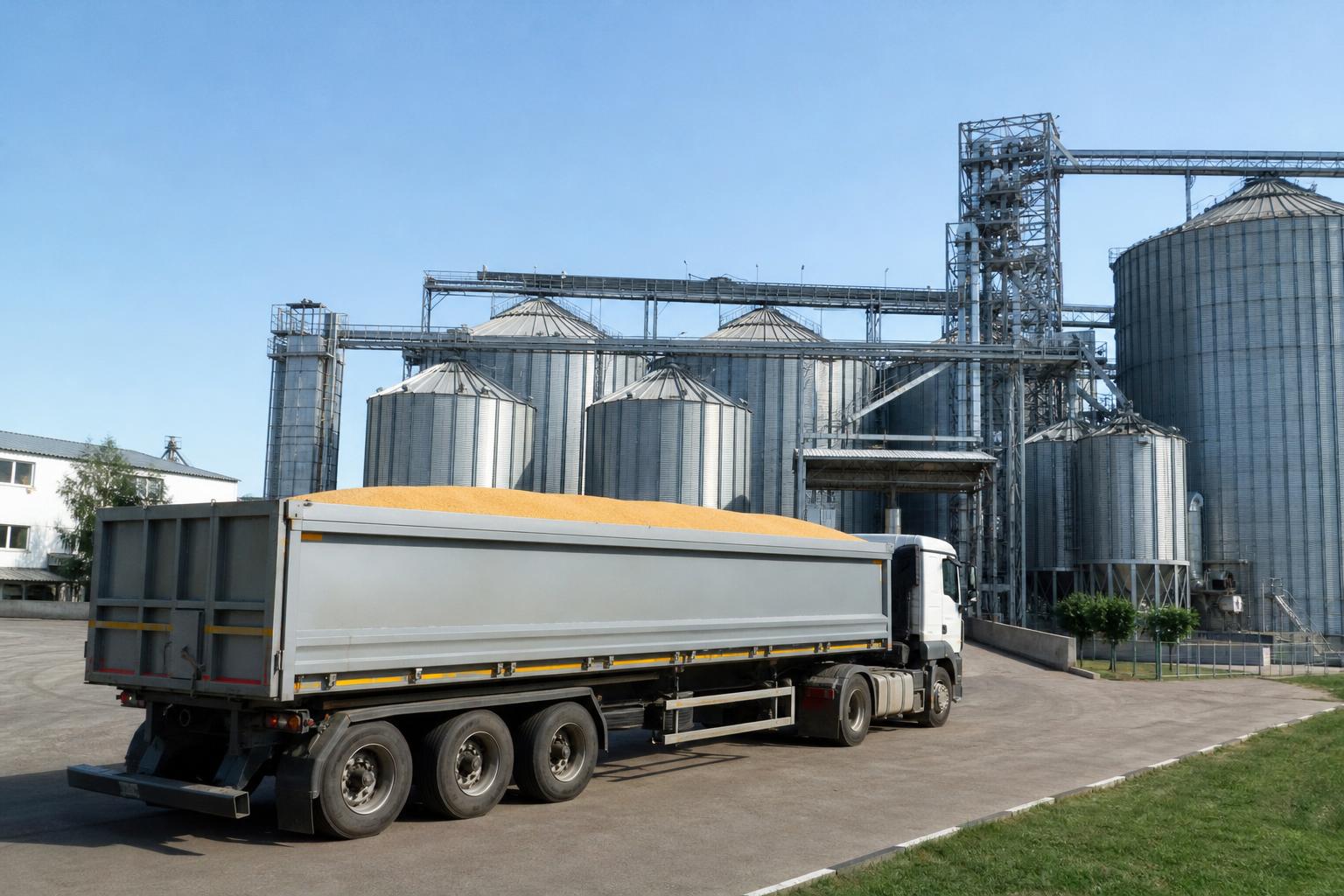
Problems with grain shipments are putting pressure not only on sales but also on the entire logistics chain: products are being held on the domestic market, while farmers wait longer to receive proceeds from sales.
Andriy Vadatursky, CEO of NIBULON, links export difficulties in part to Russian attacks on ports and processing facilities. Against this backdrop, he warns of risks to the solvency of some producers.
Less exports mean more products on the domestic market
According to figures cited in the Bloomberg report, Ukrainian agricultural exports have fallen by about a third since the start of the current marketing year. Vadatursky notes that limited export capacity is leading to a buildup of unsold grain and lower domestic prices.
For logistics, this means greater uncertainty over sales and shipment timelines. The source provides no separate data on route capacity or tariffs, so the impact on transport costs cannot be quantified.
Liquidity pressures could affect production
When grain sells more slowly, farmers have less cash available for operating expenses. According to Vadatursky, the situation is compounded by higher fuel and fertilizer costs and reduced bank lending. He forecasts that the first bankruptcies could emerge in spring 2027.
According to the source, the National Bank of Ukraine estimates that the agricultural sector could lose $4.6 billion in foreign currency earnings in the second half of the year. This is an estimate of potential losses, not a confirmed amount of revenue already forgone.
What market participants should consider
- Sellers: Plan sales with the risk of delays and slower cash receipts in mind.
- Buyers: Confirm available volumes, shipment timelines and delivery terms without assuming export channels will remain stable.
- Logistics partners: Align schedules and commitments with actual shipment capacity, which may change.
What this means for the market
Export restrictions can simultaneously slow grain flows and worsen producers’ liquidity. For sellers and buyers on AgroPost, this makes up-to-date offers with clearly stated volumes, timelines and delivery terms even more valuable. The impact on specific routes and tariffs, however, should be assessed using separate commercial data.
Comments
No comments yetNo comments yet - be the first.