
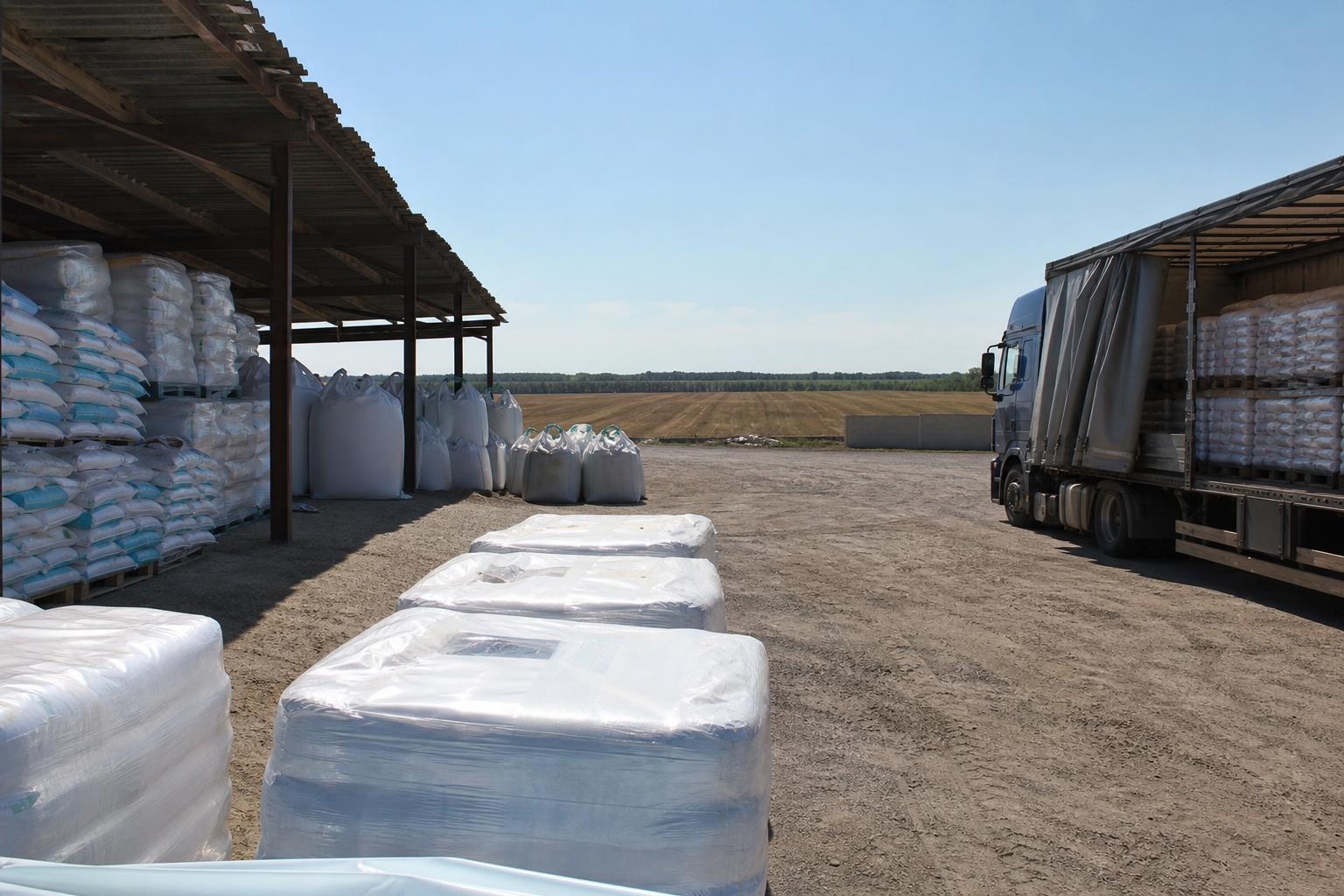
The fertilizer market in Ukraine remains closely tied to two practical factors: farmers’ planting plans and transportation costs. Even if the price on the warehouse platform appears attractive, the final economics for the farmer can change due to shortages of transport, fuel, and distance to fields.
For sellers on AgroPost, this means the need to provide detailed descriptions of availability, packaging, shipment regions, and the possibility of quick logistics. For buyers — to compare offers not only by fertilizer price but also by delivery timelines and payment conditions.
Logistics Become Part of Fertilizer Pricing
The agricultural trucking market is experiencing increased demand for vehicles due to active sunflower harvesting and grain haulage. The greatest shortage of grain carriers is reported in Dnipropetrovsk, Odesa, and Mykolaiv regions, with tension also present in several central and northern areas.
According to market analytics, freight rates for short routes up to 300 km increased by 10–12% over a week, while medium and long-distance routes mostly grew by 3–6%. Although these figures relate to the transportation of agricultural products, they serve as an important signal for the fertilizer market: during peak season, transport costs rapidly rise for all agricultural cargoes.
Additional pressure comes from rising diesel prices. For fertilizer buyers, this is an argument to pre-book delivery or seek suppliers closer to their farms. For sellers, having warehouses in key regions and the ability to quickly calculate delivery costs becomes an advantage.
Crop Rotation Changes Affect Demand for Nitrogen and NPK
Ukrainian farmers continue to review their crop structures considering logistics, processing, and consumption. For example, a large agro-company reports increased areas under winter barley for livestock needs, along with a focus on rapeseed, soy, and sunflower as more profitable crops with processing potential.
For the fertilizer market, this means demand may shift not only seasonally but also by crop type. Winter cereals, rapeseed, sunflower, and soy have different requirements for nitrogen, phosphorus, potassium, and sulfur, making universal pre-season procurement less effective.
Buyers should base fertilizer requests on actual crop rotation and soil analysis results. Sellers are advised to specify in their ads which crops and application stages their products are most suitable for: nitrogen fertilizers, NPK, ammonium sulfate, UAN, or other items.
Ukrainian Fertilizers: Demand May Be Supported by a Government Program
The news flow mentions applications through DAF for subsidies on the use of Ukrainian fertilizers. This could be a significant factor for the market, as support measures may increase farmers’ interest in domestic products.
At the same time, the conditions of such support require careful verification before making commercial decisions. Buyers should clarify which fertilizers, manufacturers, documents, and purchase periods are covered by the program. Sellers should prepare documentation confirming product origin and accurately specify the manufacturer in commercial offers.
Key Conclusions for AgroPost
- Buyers should consider the full cost of fertilizers including delivery, not just the price per ton.
- Sellers need to display stock levels, warehouse region, packaging format, and possible shipment timelines.
- Nitrogen fertilizers and NPK should be selected based on specific crops rather than general pre-plant needs.
- Ukrainian origin of fertilizers can be an additional advantage if the support program is confirmed and transparent for farmers.
Implications for the market: In the near future, competition in the fertilizer market will be driven not only by price but also by product availability, delivery speed, and document transparency. On AgroPost, the most successful offers will be those where farmers can immediately see the total economics of their purchase and quickly contact suppliers.
Comments
No comments yetNo comments yet - be the first.