
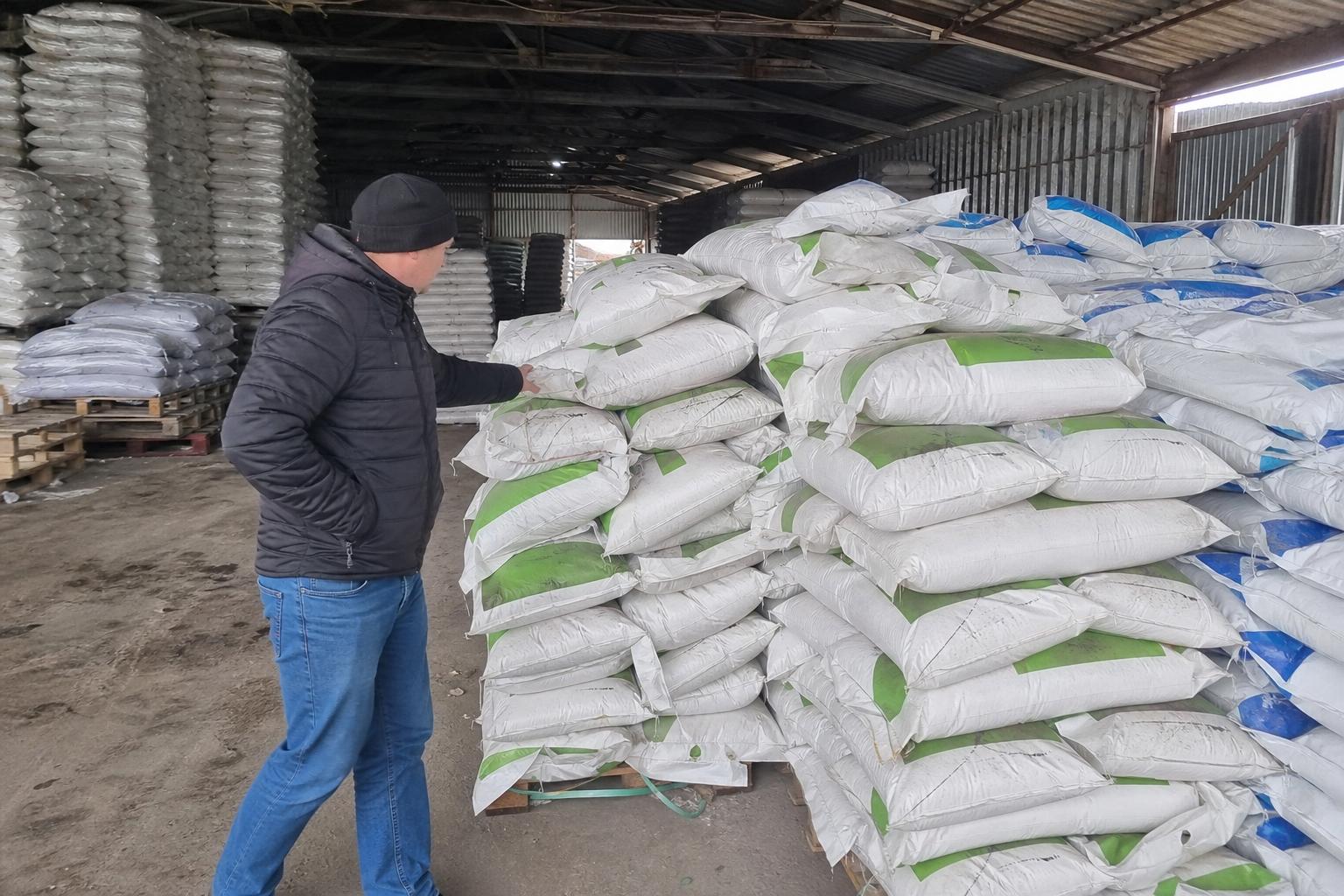
For the fertilizer market, prices are not the only factor that matters; farms also need to be able to finance their purchases. According to the CEO of NIBULON, farmers are facing export challenges, lower grain prices and reduced access to credit. He also singled out fertilizers as one of the costs that are rising.
This creates a risk that farms will plan spending for the next harvest more cautiously. At the same time, the available data do not provide grounds to determine exactly how fertilizer prices or sales volumes will change.
Financing is becoming a key factor in purchasing decisions
When revenue from grain sales falls and credit options are limited, it becomes harder for farms to finance fieldwork. In this situation, fertilizer purchases may have to compete with other essential expenses for a share of the budget.
For buyers, this is a reason to assess their needs, available budget and delivery timelines in advance. Purchase volumes should be aligned with the farm’s financial capacity, not just market expectations.
What buyers and sellers should consider
- Buyers: compare offers by price, availability, delivery times and payment terms.
- Sellers: clearly specify the fertilizer type, packaging, volume, availability and possible payment terms.
- Both parties: agree on a delivery and payment schedule before placing an order.
Publishing specific terms on AgroPost helps buyers and sellers compare offers and requests more quickly. However, financial pressure across the agricultural sector does not in itself confirm either a fertilizer shortage or an inevitable decline in demand.
What this means for the market
If farmers’ revenues remain constrained, affordability may become one of the main criteria in fertilizer selection. Buyers should plan purchases with their budgets and payment terms in mind, while sellers should make their offers as transparent as possible. The materials cited contain no data on specific changes in fertilizer prices.
Comments
No comments yetNo comments yet - be the first.