
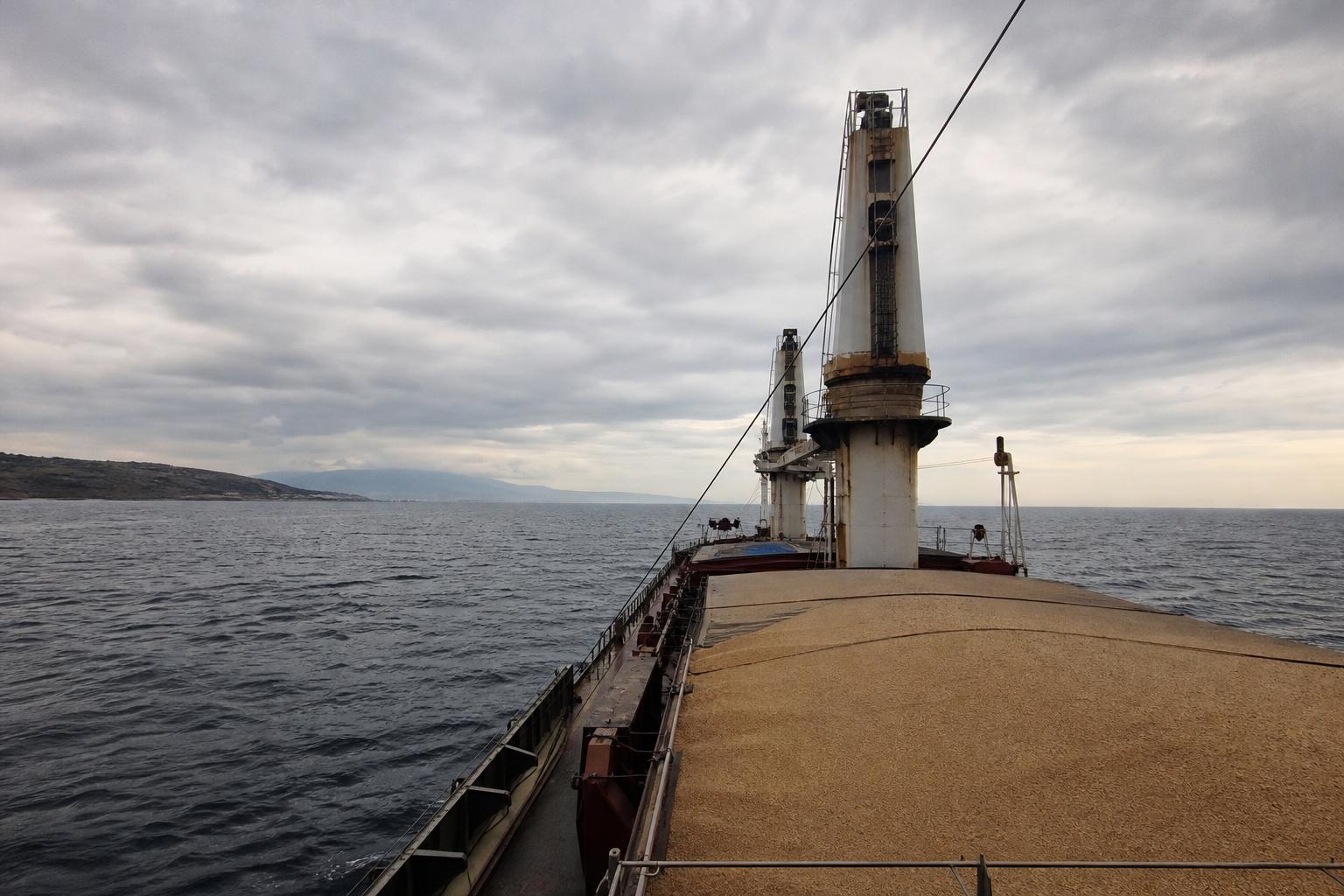
The incident involving the vessel BETUL 8 highlights the operational risks of shipping in the Black Sea. The cargo vessel, carrying nearly 3,000 tonnes of wheat, sank on 16 November in Bulgaria’s exclusive economic zone.
According to reports, the vessel was sailing from Tulcea, Romania, to Egypt. Bulgarian authorities have not confirmed the cause of the sinking, and available information does not establish a link to Ukrainian exports.
What is known about the incident
BETUL 8 was sailing under the flag of Somalia. The crew sent a distress signal about 40 nautical miles southeast of Cape Kaliakra. All 12 crew members were evacuated; reports indicated signs of hypothermia and one minor injury.
According to crew members, the vessel may have been attacked by naval drones. However, Bulgarian authorities have not officially confirmed either that an attack took place or that it may have caused the sinking.
Practical considerations for grain contracts
The incident alone is not grounds for drawing conclusions about changes in Ukrainian wheat prices or export volumes. Sellers and buyers should assess the specific logistics arrangements and how risks are allocated under the contract.
- Check the route and any current shipping restrictions along its sections.
- Clarify which risks are covered by cargo and vessel insurance, and who is responsible for additional costs.
- Set out in the contract what happens in the event of a delay, a route change or cargo loss.
- Agree on how the parties will confirm that delivery terms have been met and notify each other of exceptional circumstances.
What to check before shipment
For grain deals, focusing on the commodity price alone is not enough. Compare the delivery basis, route, timing, insurance coverage and documents confirming receipt of the cargo.
If the logistics route passes through the Black Sea, the parties should separately check that the agreed terms match the actual route and the current requirements of the carrier and insurer.
What this means for the market
The sinking of BETUL 8 is a reminder to assess the risks of shipping grain by sea more carefully, but it is not evidence of disruption to Ukrainian exports specifically. For AgroPost users, the practical takeaway is to compare offers not only by price, but also by logistics terms, the parties’ responsibilities and insurance protection.
Comments
No comments yetNo comments yet - be the first.