
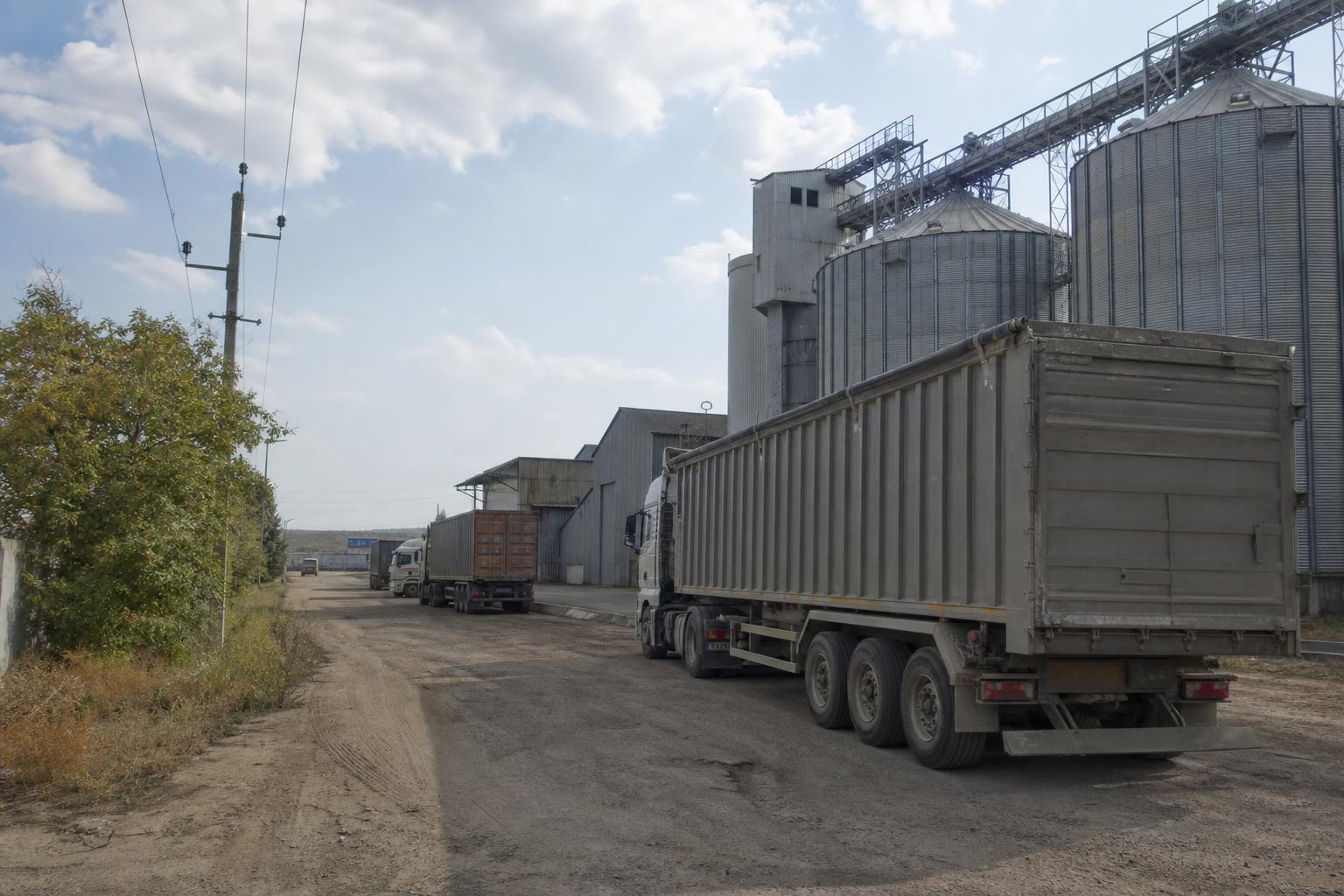
The Ukrainian grain trucking market is entering a period where the cost of transportation increasingly depends on the route length and direction. For grain sellers, this means that logistics costs should be calculated separately for short deliveries to port infrastructure, internal elevators, or long hauls to the western border.
According to market participants, the greatest pressure is currently on routes over 400 km. Meanwhile, short-distance shipments up to 400 km often decrease in price or show no significant changes.
Long Routes: Demand for Grain Trucks Supports Tariffs
On routes from 400 to 700 km and over 900 km, freight rates for truck transportation of grain have increased on average by 2–16%. The most notable price increases are observed on longer routes.
The key factor is the reorientation of some freight flows toward the western borders. Due to security concerns, this direction remains important for exporters but creates additional pressure on the trucking fleet.
Queues at border crossing points worsen fleet turnover: one trip takes more time, and the available number of grain trucks for new requests effectively decreases. This sustains the risk of further tariff increases on long hauls.
Short Haul: Increased Supply and Lower Tariff Pressure
On routes up to 400 km, tariffs have mostly decreased by 5–8% or remained close to previous levels. The market attributes this to an increased share of short trips within the overall transportation structure.
For agricultural producers and traders, this opens opportunities to compare carrier offers more actively for short-distance shipments. If a batch of grain can be promptly delivered to the nearest elevator, port, or transshipment point, competition among carriers may become more pronounced.
On AgroPost, in such conditions, it is advisable to clearly specify not only the crop and volume but also the desired shipment location, type of transport, vehicle submission deadlines, and permissible loading window. This helps to more quickly match sellers, buyers, and carriers.
Main Grain Movement Directions
Active flows are forming from southern and northern regions toward Odessa oblast, including Izmail, Reni, and Orlivka. Significant volumes of wheat, barley, and rapeseed are transported from Dnipropetrovsk, Kharkiv, Mykolaiv, and Chernihiv regions.
Transportation to Lviv and Volyn regions also continues. Additionally, shipments from Odessa region to Lviv are recorded separately.
The highest demand for trucking currently exists in Dnipropetrovsk, Odessa, and Kharkiv regions. For grain owners in these areas, this signals the need to plan trucks in advance, especially for long routes.
Moldova Restores Import Licensing: What Exporters Should Consider
The Moldovan government has approved the temporary reinstatement of licensing for grain and oilseed imports until October 31, 2026. The measure aims to protect local producers, monitor the market, and control import flows.
For Ukrainian sellers operating with the Moldovan market as a sales destination, this means a need for more careful verification of documents, delivery conditions, and the readiness of buyers to undergo import procedures. At the same time, available data does not indicate that transit through Moldova is restricted.
Key Market Participants' Conclusions
- Long-distance grain trucking is becoming more expensive: tariffs on routes over 400 km increased by 2–16%.
- Short hauls up to 400 km mostly decrease by 5–8% or remain stable.
- The western direction creates increased demand for grain trucks, while queues at borders reduce fleet turnover.
- The greatest need for grain trucks is in Dnipropetrovsk, Odessa, and Kharkiv regions.
- For shipments to Moldova, temporary import licensing of grain and oilseeds should be considered.
Implications for the market: grain sellers should differentiate their pricing strategies based on logistics scenarios: short delivery, port infrastructure delivery, long-distance trips to the western border, or sales to the Moldovan market. Buyers on AgroPost are advised to clarify routes and transport conditions immediately, as logistics can significantly impact the final price of a batch.
Comments
No comments yetNo comments yet - be the first.