
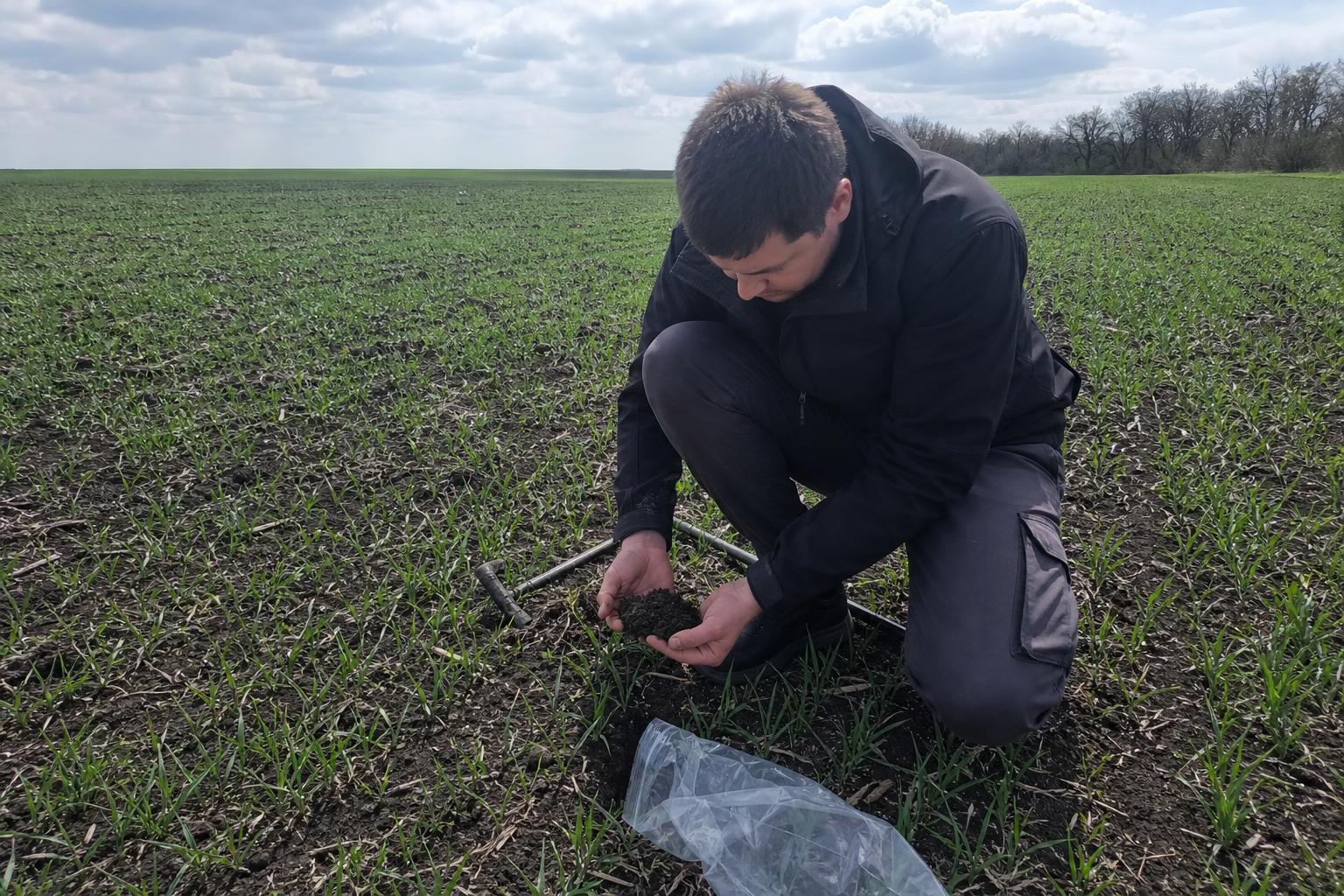
When switching to a new crop, a field may need to be checked for more than just nutrient availability. Pesticide residues and their metabolites in the soil are also important indicators for crop protection.
According to a Ukravit specialist, these substances can persist in the soil and harm crops. Farmers should therefore include residue testing in their field assessment before planting, especially when planning to change their crop mix.
When residue testing is particularly relevant
Soil analysis is worth considering before allocating land to chickpeas, lentils, oilseed flax, mustard or coriander. A successful previous crop does not, by itself, confirm that the field is suitable for a new one.
Testing for pesticide residues and metabolites complements an assessment of soil properties. It does not replace agrochemical analysis, but helps account for another factor that could affect future crops.
How to arrange soil testing
Ukravit specialists recommend starting with basic tests and then using the results to determine whether additional testing is needed. The basic panel includes pH, with the measurement method specified; organic matter or humus; available phosphorus and potassium; calcium; and magnesium.
If salinity or sodicity is suspected, the list of tests should be expanded. In that case, electrical conductivity, salt composition and sodium status indicators are checked. Pesticide residue and metabolite testing should be discussed separately with the laboratory when planning the testing programme.
What to consider before buying crop protection products
Test results help assess a field before decisions are made about a new crop and its production practices. For buyers and sellers on AgroPost, this is a practical reason to clarify whether the characteristics of a specific field have been taken into account when planning planting and crop protection needs.
Do not judge a field’s suitability based on a single indicator or select products without considering the test results. The scope of testing and subsequent decisions should reflect the soil’s characteristics and the planned crop.
What this means for the market
For farms considering niche crops, soil testing is part of pre-planting preparation, not a formality to be completed after choosing seed or production practices. Early testing for pesticide residues can help identify potential risks and inform field decisions based on its actual condition.
Comments
No comments yetNo comments yet - be the first.