
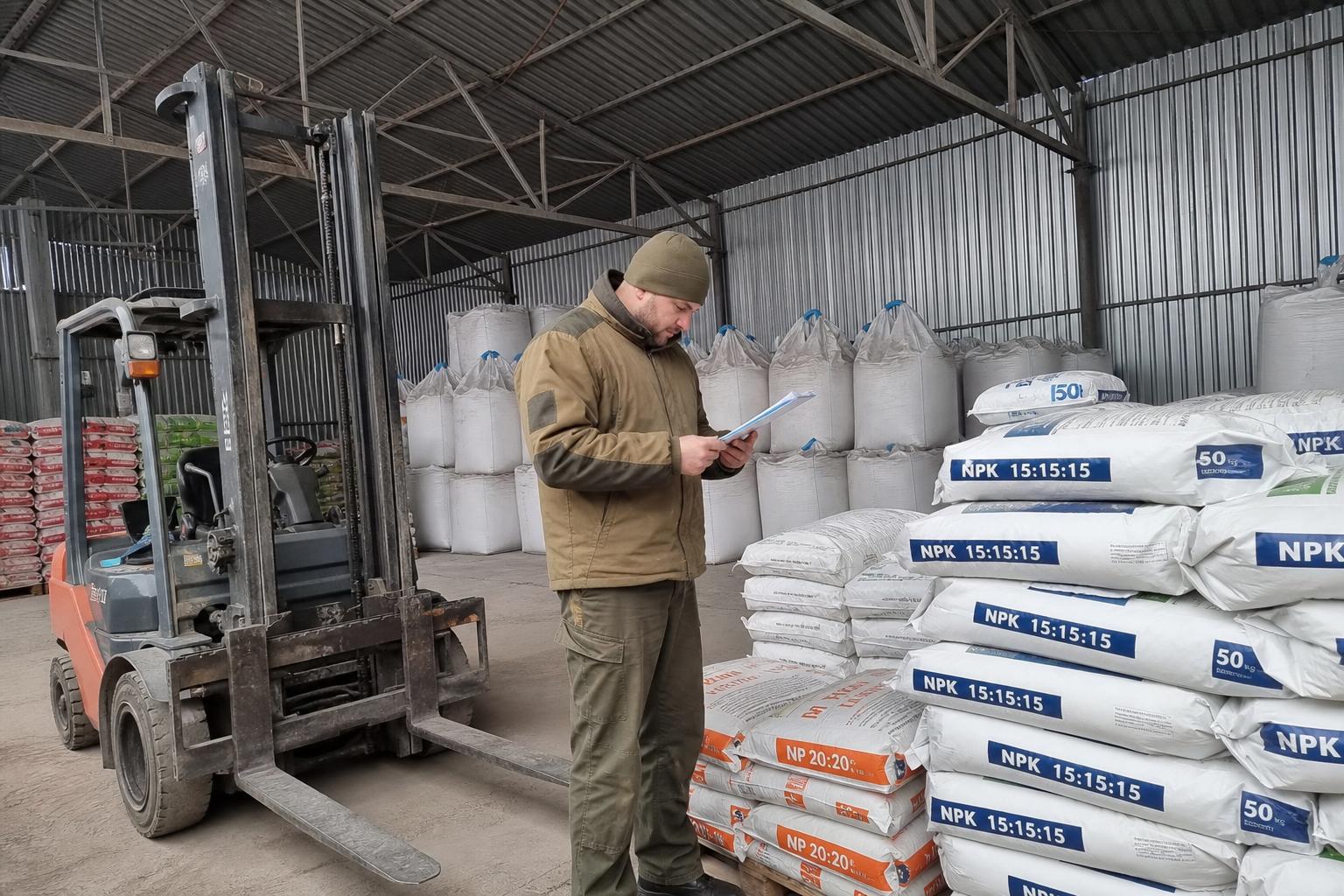
The fertilizer market in Ukraine is entering a period when farmers are increasingly aligning their needs for the upcoming sowing season with available working capital. For sellers, this is a time for clear commercial offers, while buyers are checking not only prices but also quality, availability, and logistics.
In open market notices this week, there are not enough direct indicators regarding current prices for nitrogen fertilizers, NPK, or other agrochemicals. Therefore, the practical focus for AgroPost is on how to properly prepare an advertisement and inquiry to close deals faster and avoid misunderstandings.
Demand for fertilizers depends on farm cash flow
Buyers plan their fertilizer purchases not in isolation but in conjunction with crop sales, seed, plant protection products, fuel, and logistics expenses. Therefore, even with stable agronomic needs, actual demand may shift depending on when the farm receives funds from product sales.
The agricultural sector continues discussions on export duties on certain oilseeds. Market reports indicate that the discussions mainly concern rapeseed and soy, while the duty on sunflower is not planned to be canceled. While this is not a direct price signal for fertilizers, such decisions can influence farmers' expectations regarding revenue and timing of resource procurement.
For fertilizer sellers, this means that some buyers may delay decisions until they clarify sales channels for their harvest. Therefore, it is important to specify the validity period of the price, available volume, and possible payment options.
What fertilizer sellers should specify on AgroPost
Advertisements with complete information perform better than brief offers without details. Buyers need to quickly understand what product is being sold and whether it fits their technology.
- Type of fertilizer: nitrogen, complex NPK, micronutrient, water-soluble, or other product.
- Formula and active substance: for example, NPK ratio or nitrogen content, confirmed by documents.
- Form and packaging: granules, liquid, big bag, bag, container, or pourable.
- Availability: warehouse, shipment region, minimum batch size, and actual delivery timeframe.
- Documents: certificates, origin, batch, storage conditions.
- Logistics: self-pickup, delivery, possibility of shipment via buyer’s carrier.
If the price depends on the batch or delivery method, it is better to specify this immediately. This reduces non-targeted inquiries for the seller and helps the buyer compare several options more efficiently.
What buyers should pay attention to
For buyers, the lowest price per ton does not always mean the best deal. It is important to compare the cost of active substance, delivery conditions, time spent on logistics, and quality risks.
Before reserving a batch, it is advisable to check whether the product is physically available in stock or if it is a made-to-order delivery. Also, verify the documents for the batch and agree on who is responsible for loading, delivery, and possible transport delays.
For NPK and specialized fertilizers, it is especially important not to substitute the formula with a general name. If the farm plans fertilization for a specific crop, differences in element ratios can affect the economics of application.
Key conclusions for market participants
- Currently, there is insufficient public data for accurate generalization of fertilizer prices.
- Buyers should consider not only the price per ton but also the cost of active substance, delivery, and supply reliability.
- Sellers should specify the formula, packaging, availability, and validity period of their offers.
- Farmers may postpone purchases depending on crop sales and available working capital.
What this means for the market: in the fertilizer segment, proposals with maximum transparency will prevail. For AgroPost, this is a practical signal: the more accurately a seller describes the product and the clearer a buyer formulates their needs, the faster the parties will reach a real deal without unnecessary negotiations.
Comments
No comments yetNo comments yet - be the first.