
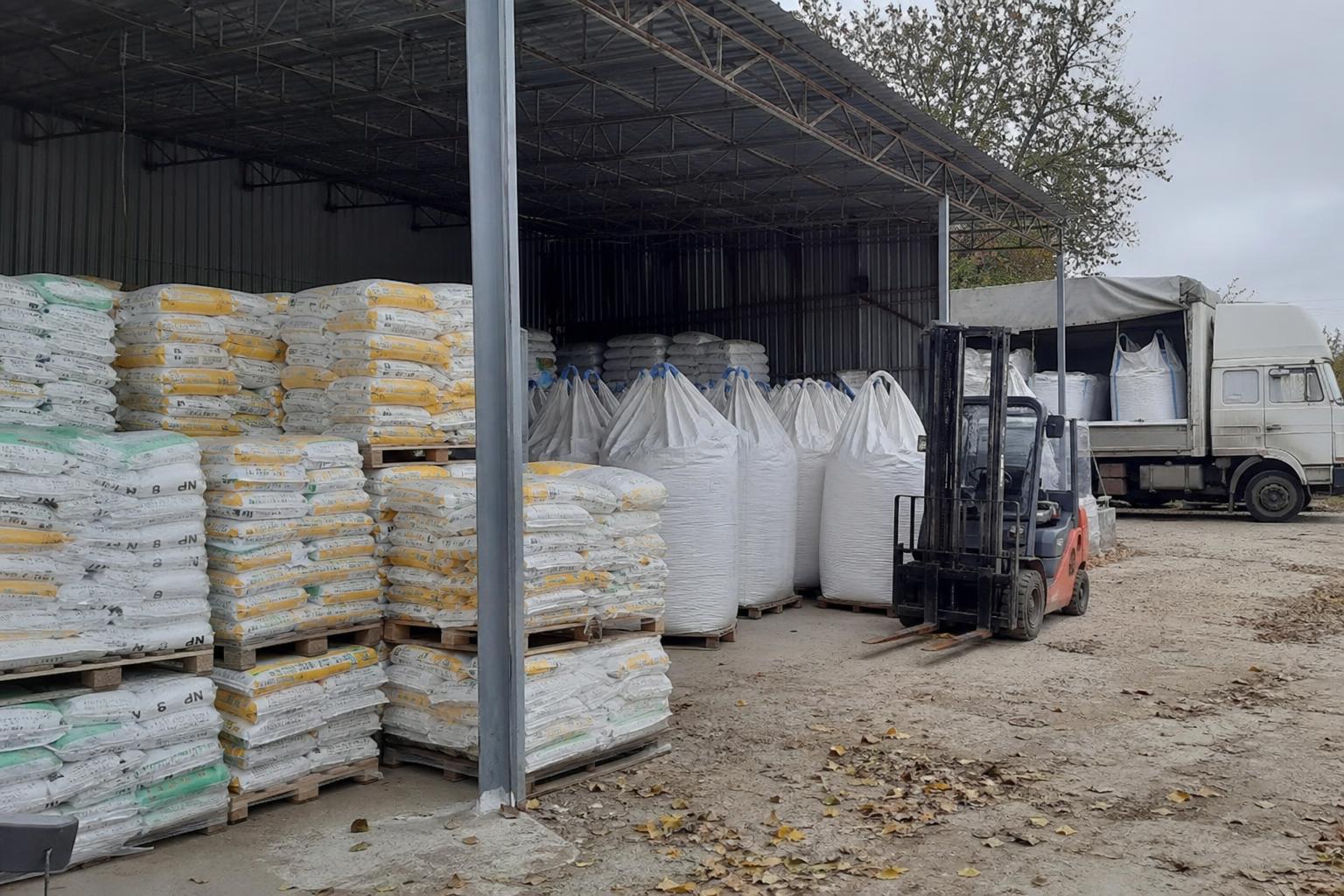
The fertilizer market in Ukraine remains dependent not only on seasonal demand but also on logistics, agricultural export activity, and transparency requirements in the agrochemical supply chain. In early October, for buyers of nitrogen fertilizers, NPK, and related agrochemicals, it is important not to wait for a single universal price signal but to compare actual availability, delivery conditions, and documentation.
Recent news on agricultural exports and the Black Sea do not provide a direct forecast for fertilizer prices but create context for procurement decisions. If farms are more actively selling grains and oilseeds, part of the market may shift more quickly from monitoring offers to reserving batches.
Agro-exports support increased attention to resource procurement
In September 2026, Ukraine exported 3.04 million tons of agricultural products, a 41.5% increase compared to August. A significant share consisted of grains, oilseeds, vegetable oils, and meal — approximately 2.65 million tons, or 87.2% of total agricultural exports.
The largest growth was in grain shipments: 1.49 million tons, up 50.4% from the previous month. Wheat exports increased from 612.7 thousand tons in August to 1.09 million tons in September.
For the fertilizer market, this does not automatically mean a surge in demand but is an important indicator. Active sales of products can influence farms’ financial decisions regarding the purchase of nitrogen fertilizers, complex NPK, and products for fertilization in upcoming technological operations.
Black Sea logistics remains a risk factor
Turkey and the UN are preparing new negotiations regarding the cessation of attacks in the Black Sea and the protection of commercial shipping. The initiative’s announcements mention not only grain and food but also fertilizers.
For the Ukrainian market, this is important due to the dependence of some supplies and domestic logistics on the stability of transport corridors. Any agreements on free navigation and port infrastructure protection can alter market participants’ expectations, but for now, it remains a negotiation process.
Fertilizer buyers should clarify not only prices with sellers but also routes, shipment timing, stock availability, and reservation conditions. For large batches, these factors are often more critical than initial price differences.
Regulatory environment: increased focus on documentation and traceability
The EU is preparing to tighten rules regarding pesticide residues in imported agricultural products from third countries. While the new approaches mainly concern plant protection products, this signals to the broader agrochemical market an increased focus on record-keeping, origin, and supporting documents.
For fertilizer sellers on marketplaces, this means a practical point: buyers increasingly expect not only product names and prices but also clear descriptions of composition, packaging, manufacturer, documentation, and application conditions. For buyers, this reduces risks during procurement.
It is also important to verify the state registration of agrochemicals, especially for specialized products, micro-fertilizers, or complex solutions. Publicly, there has been mention of recommendations for state registration of over 100 pesticides and agrochemicals, but specific positions should be checked separately.
Key takeaways for fertilizer sellers and buyers
- Buyers should compare not only prices but also availability, delivery terms, documentation, and minimum order quantities.
- Sellers should update listing descriptions: NPK composition, nitrogen form, packaging, shipment region, and payment terms should be clear.
- For nitrogen fertilizers it is crucial to clarify logistics in advance, especially if the product is needed within a specific technological window.
- For complex fertilizers buyers should verify suitability for the crop, soil conditions, and fertilization plan, rather than relying solely on universal formulas.
What this means for the market: in the near future, the fertilizer market in Ukraine will remain a market of careful selection rather than impulsive purchases. Export activity may sustain farmers’ interest in resources, negotiations over the Black Sea keep logistics in focus, and the regulatory environment emphasizes the importance of transparent offers. On AgroPost, sellers who show real availability and documentation, and buyers who specify delivery conditions in advance, will have an advantage.
Comments
No comments yetNo comments yet - be the first.