
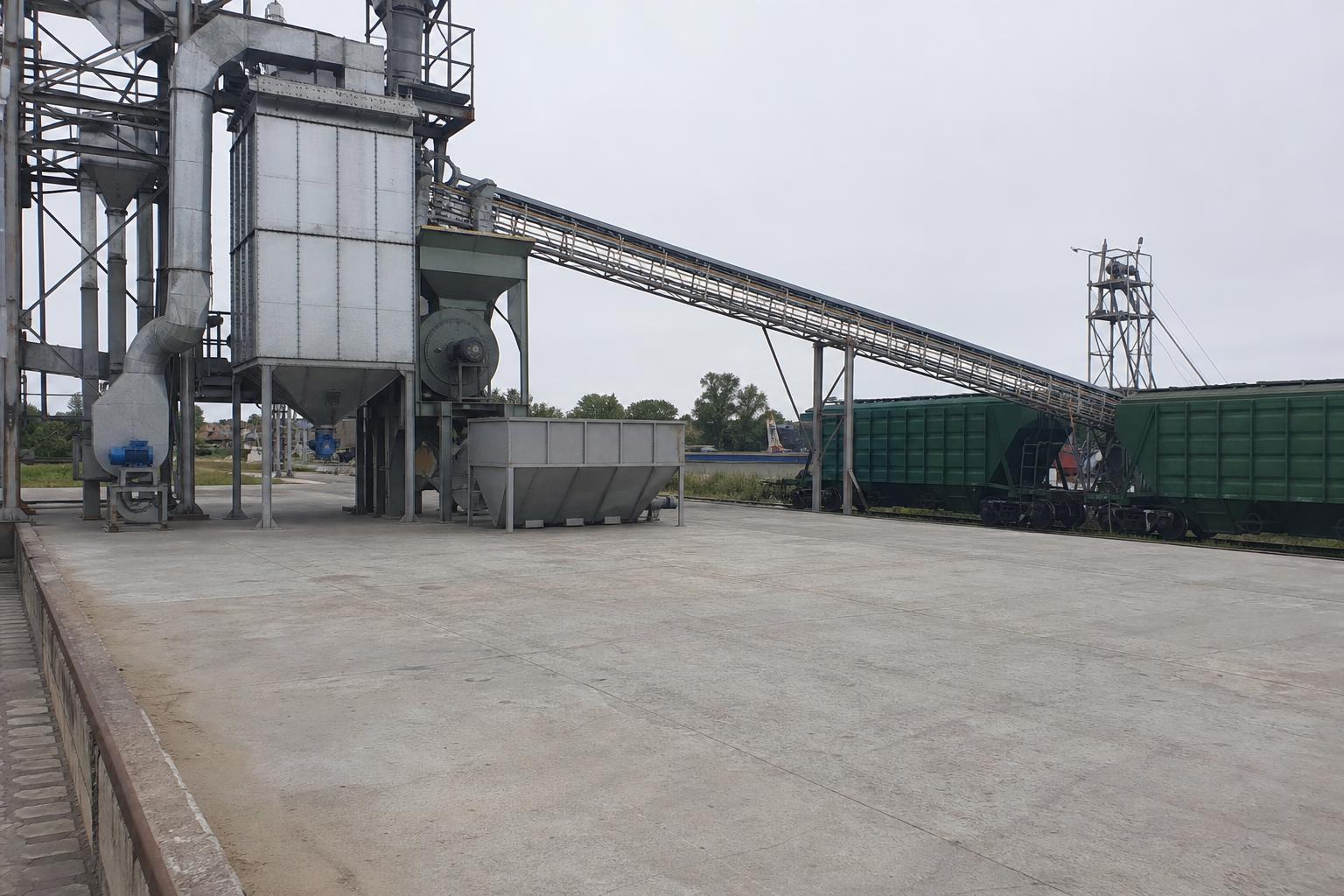
Grain market participants have two practical developments to note: the cost of using Ukrzaliznytsia grain wagons is changing, and a new primary grain-cleaning line has started operating in Vinnytsia region.
These changes affect different stages of grain handling — transportation and batch preparation. They should be taken into account when planning shipments and making use of elevator capacity.
Ukrzaliznytsia grain wagons: rates to rise in November
According to published data, from November 2026 the daily charge for using Ukrzaliznytsia grain wagons will be UAH 3,771, excluding VAT. This is UAH 400 more than in October, when the rate was UAH 3,371 per day, excluding VAT.
For grain sellers, traders and carriers, this is a signal to review logistics cost estimates for planned batches in advance. Actual transportation costs depend on the terms of each shipment, so the rate change alone does not determine the final price of grain.
Grain-cleaning line launches in Vinnytsia region
An agricultural enterprise in Vinnytsia region has commissioned an OLIS line with a capacity of up to 160 t/h for primary cleaning. The equipment includes a flat-screen separator and air separators, as well as auxiliary systems.
According to the manufacturer, the line was supplied as an integrated unit with the main components specified in the project. The stated capacity applies to primary cleaning and should not be interpreted as grain-drying or storage capacity.
What to consider when planning
- Check how the new grain wagon rate affects the cost estimate for a specific shipment and the terms of the contract.
- When assessing elevator capabilities, distinguish between primary cleaning, drying and grain intake capacity.
- When selling or purchasing batches, confirm available logistics and grain-handling capacity directly before agreeing on a schedule.
What this means for the market
The grain sector has a new benchmark for planning rail shipments, as well as an example of investment in grain-handling infrastructure. Sellers and buyers on AgroPost should compare batch specifications, preparation schedules and logistics costs, without automatically factoring the effect of a change in an individual tariff rate into the price.
Comments
No comments yetNo comments yet - be the first.