
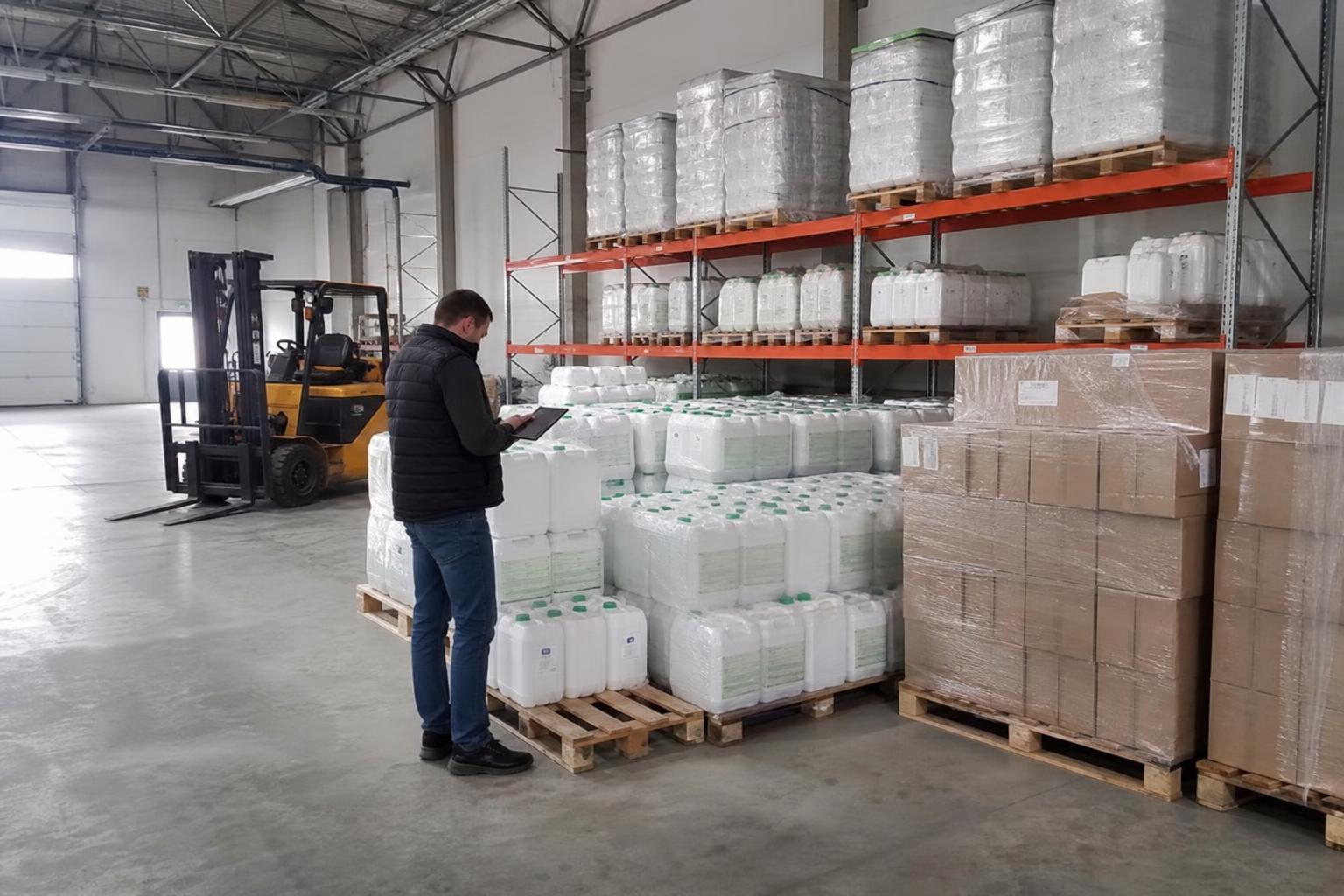
The Ukrainian crop protection market is entering a period when procurement decisions should be linked not only to crop structure and technological maps. The focus shifts to product availability in warehouses, continuous delivery, and financial protection of infrastructure.
Recent reports from industry media concern business asset insurance, trade route security, and risks for border logistics. For the crop protection segment, this context is crucial: herbicides, fungicides, insecticides, and seed treatments must be delivered within specific agronomic windows, and delays can alter farmers’ purchasing behavior.
Warehouse Insurance: What Suppliers of Crop Protection Products Need to Know
According to AgroPortal, the government is considering increasing VAT by 1% to create an insurance fund for businesses with a volume of $1 billion. The idea is related to the need to protect production and warehouse assets amid wartime risks.
The article also notes that an insurance premium of 2% of the asset value is being discussed, with potential compensation for lost property reaching up to $10 million. This refers specifically to production and warehouse assets, not goods in circulation or raw materials.
For distributors and crop protection warehouses, this means carefully distinguishing two risk areas: insuring premises and equipment separately from coverage of the actual inventory. If implemented as proposed, this mechanism may not cover losses of pesticide batches stored as goods.
Crop Protection Logistics: Seasonality Makes Delays More Costly
Reports about increased risks at ports, shipping, and border crossings directly relate to agrologistics. For crop protection products, this factor is especially sensitive, as demand concentrates in short periods: pre-sowing, herbicide application, fungicide treatments, and desiccation.
Latifundist reported on a proposal by a Turkish agricultural diplomacy group to create a new security mechanism for agricultural trade and civil shipping in the Black Sea. Elements of this approach include war risk insurance, shipping coordination, and development of alternative corridors.
Although this initiative primarily concerns food and agricultural cargo, it highlights a broader issue for the crop protection market: import and domestic supplies require backup routes, flexible warehouse planning, and advance booking of logistics capacities.
Border Risks: Why Buyers Should Not Delay Critical Purchases
Elevatorist, citing statements by Polish Prime Minister Donald Tusk, reported that Poland expects possible Russian attacks on border crossing points with Ukraine. The article also mentions strikes on border crossings between Ukraine and Moldova, and Ukraine and Romania.
This does not necessarily mean an automatic shortage of crop protection products for farms. However, it is an argument to avoid leaving critical chemicals until the last week before application, especially for specialized products, original formulations, or items with limited alternatives.
Buyers on AgroPost should clarify with sellers not only the price but also the actual storage location, available volume, possible shipment timelines, and delivery options to their region.
Key Takeaways for Crop Protection Sellers and Buyers
- Sellers should separate warehouse asset management and inventory tracking to understand which risks can be covered by insurance tools and which remain on the business.
- Distributors should plan backup warehouses or transshipment points, especially for seasonal high-demand products.
- Farmers should proactively secure needs for herbicides, fungicides, insecticides, and seed treatments, rather than only purchasing "just in time".
- Marketplace buyers should verify product availability directly at the seller’s warehouse, not just in the price list.
- Deferred delivery agreements should be accompanied by clear terms regarding timelines, responsibilities, and alternative logistics options.
What this means for the market: in the crop protection segment, a competitive advantage is increasingly determined not only by the price but also by the seller’s ability to guarantee availability, safe storage, and predictable delivery. The main practical step for crop protection buyers is to secure critical positions early in the season and work with suppliers who transparently show warehouse stocks, remaining inventory, and logistics.
Comments
No comments yetNo comments yet - be the first.