
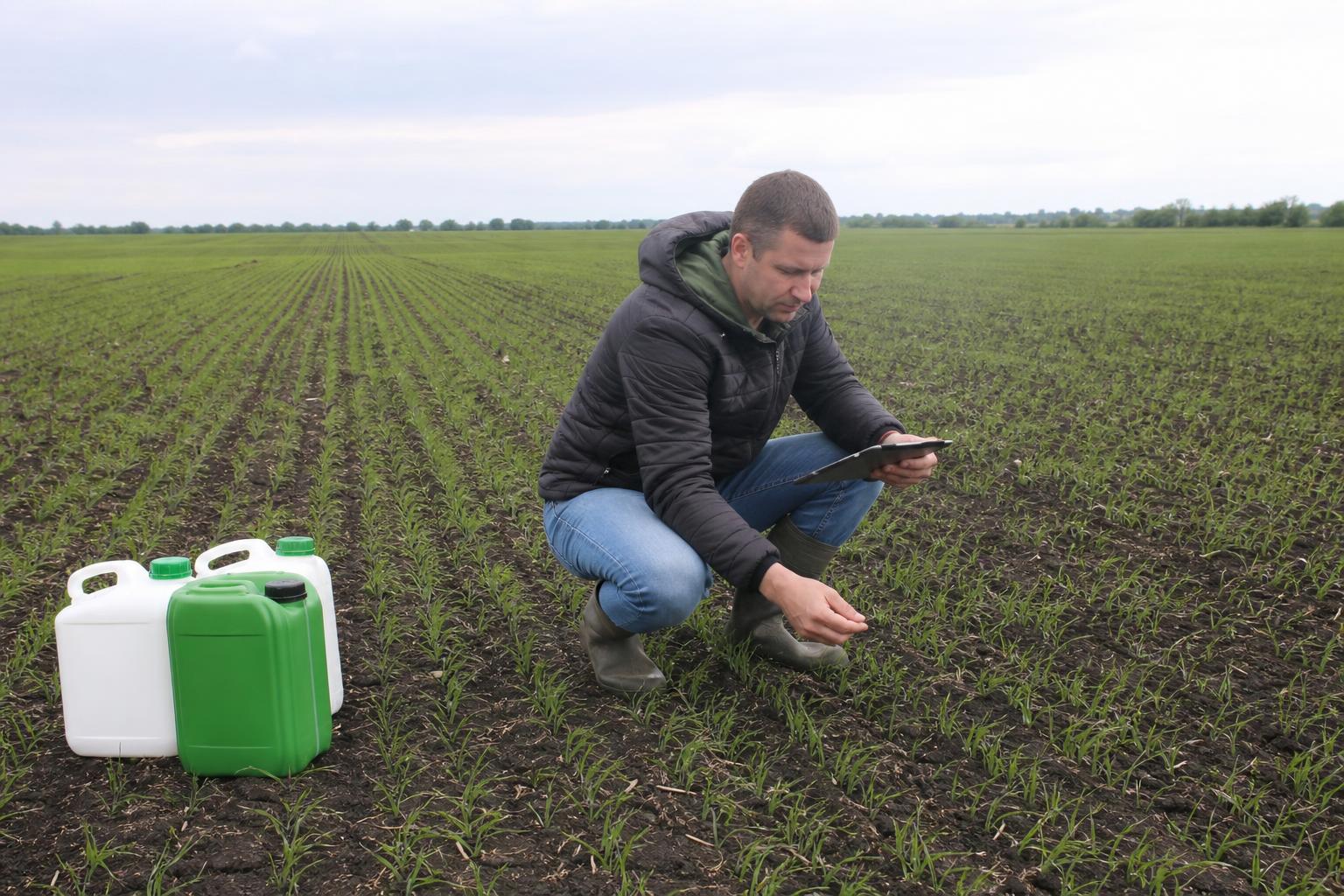
Autumn sowing in Ukraine is entering a period when crop protection decisions should be linked not only to the crop but also to the actual economic situation of the fields. Preliminary estimates suggest that winter wheat sown for the 2027 harvest may decrease due to high logistics costs.
For the crop protection market, this does not necessarily mean a decline in overall demand but rather a change in its structure. If some farms revise their crop rotation plans, herbicide, seed treatment, and fungicide purchases should also be planned more flexibly.
Winter Wheat: Less Area — More Attention to Cost of Protection
According to Minister of Agrarian Policy and Food Taras Vysotskyi, the exact scale of reduction in winter wheat areas will become clear in early October when representative data on sowing progress are available. The sowing of winter crops will last at least until the end of October, and in some cases, until early November.
For farmers, this is a period when it is inadvisable to purchase the full range of crop protection products based solely on last season’s inertia. If the actual wheat area changes, the first step is to recalculate the need for seed treatments, autumn herbicides, and early spring fungicide schemes.
It is especially important to distinguish between core products, essential for crop establishment, and those that can be purchased later once the crop condition is clarified. This approach reduces the risk of funds being frozen in residues that do not match the actual field structure.
Rapeseed and Barley: Pesticide Demand May Remain Spotty
According to Taras Vysotskyi, the areas under winter rapeseed are not expected to change significantly. Increasing them this year is already difficult, as optimal sowing windows for rapeseed started earlier than logistical issues intensified.
This is an important signal for pesticide sellers: the rapeseed segment may maintain demand for specialized solutions, but it should be evaluated regionally and based on actual sowing data. For buyers, priority remains on products that cover immediate technological operations rather than overestimating future needs.
Regarding winter barley, a similar situation is expected, but since this crop occupies much smaller areas, demand for barley-specific crop protection products should be planned cautiously: sellers should avoid overestimating volumes, and buyers should verify the availability of necessary products before application.
Logistics Affect Not Only Grain but Also Procurement Behavior
Market sources report a reorientation of export flows and increased load on the Danube and Constanța routes. Although these data primarily concern wheat, they reflect a broader context: logistics remains a key factor in planning production costs.
In crop protection, this encourages more pragmatic procurement. Farms should coordinate pesticide volumes with confirmed sowing areas, delivery schedules, and available financing. For AgroPost sellers, it is advisable to clearly specify product availability, packaging, shipment timelines, and crop application guidelines.
It is also important to note that predicting spring sowing structures is premature. However, a return to previous years’ trends is possible, where the share of oilseeds, particularly soybeans and sunflowers, increased at the expense of maize. This could influence future demand for herbicides and fungicides during the spring season.
Key Takeaways for Pesticide Sellers and Buyers
- Avoid planning purchases solely based on last year’s crop structure. Sown areas for winter wheat may change, so pesticide needs should be recalculated after clarifying sowing data.
- Distinguish between critical and deferred products. Seed treatments and autumn herbicides are needed earlier; some fungicide solutions can be planned after assessing crop condition.
- Specialize proposals for rapeseed. If sowing areas do not change significantly, demand will depend on specific technological needs of farms.
- Update product listings for sellers. On AgroPost, buyers need accurate information about crop, spectrum of action, packaging, stock levels, and shipment timelines.
Implications for the market: Autumn demand for crop protection products in Ukraine will be shaped not only by weather or crop development stages but also by sowing economics. For sellers, this is a time to more precisely segment offers for winter crops, and for buyers, to purchase crop protection based on confirmed areas and actual application schedules.
Comments
No comments yetNo comments yet - be the first.