
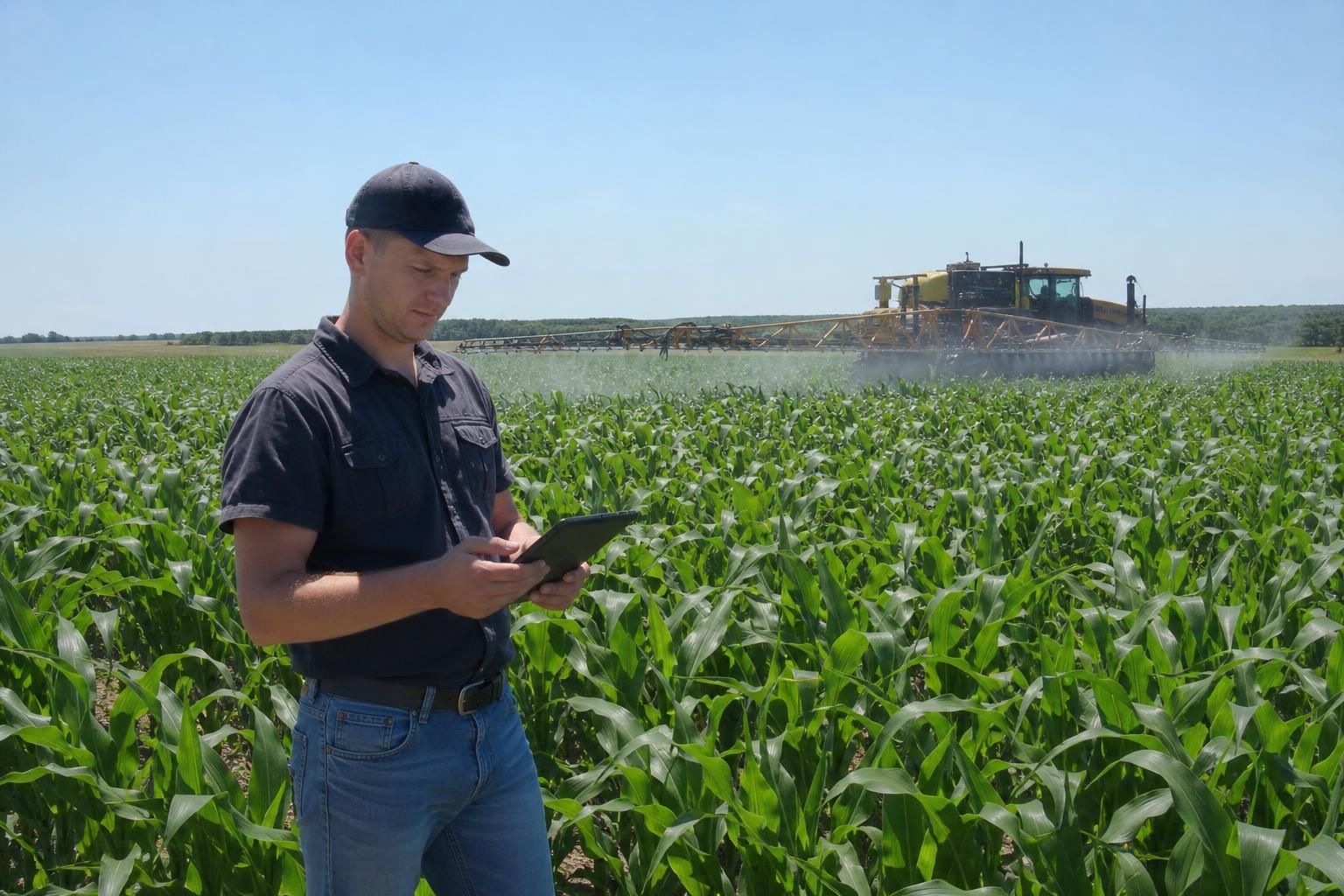
The Ukrainian crop protection market is entering a period where decisions regarding crop protection products are increasingly influenced not only by weather and phytosanitary conditions but also by grain sales channels.
One of the factors that corn producers should consider is the development of bioethanol processing. According to the Ministry of Economy, the industry's production capacities have increased by more than 2.5 times over the past year, or by 160%.
Why This Is Important for Corn Protection
The bioethanol sector drives demand for agricultural raw materials, particularly corn and other biomass. The ministry noted that a plant with a capacity of 100,000 tons of bioethanol per year can process up to 350,000 tons of corn or other biomass.
For farms, this means that the quality and consistency of batches may become more critical in negotiations with buyers. For crop protection product sellers, it indicates that demand may shift toward integrated protection programs that help reduce crop losses and mitigate contamination risks.
What Crop Protection Product Sellers Should Focus On
In the category of crop protection for corn, three key areas remain: weed control, disease protection, and pest monitoring. The most predictable demand typically revolves around herbicide solutions, as weed competition at the early vegetative stage directly affects crop potential.
Meanwhile, in regions with higher disease risk or adverse weather conditions, farmers more often consider fungicide schemes not as an "additional option," but as a means to preserve marketability and grain weight.
- Herbicides: demand depends on weed composition, crop growth stage, and previous crop.
- Fungicides: relevance increases with humid weather, dense plantings, and high infection pressure.
- Insecticides: decisions should be based on actual pest monitoring rather than calendar timing.
- Seed treatments: remain a fundamental tool for initial protection, especially against soil pests and seed-borne infections.
What Buyers Should Consider on AgroPost
Crop protection buyers should compare not only the price per liter or kilogram of the product but also the total cost per hectare, compatibility in tank mixes, application timing restrictions, and temperature requirements.
It is also essential to verify the registration of the product for specific crops and target objects. This is particularly important for farms working with raw material suppliers for processing, where additional residue requirements may apply.
A practical approach for the season: plan crop protection purchases not as individual products but as a comprehensive technological scheme tailored to the field, previous crop, hybrid, and expected sales channel.
Market Signal from Processing
Currently, 10 out of 17 licensed bioethanol producers operate in Ukraine. The current production is estimated at 180–200 thousand tons per year, and existing capacities already allow for doubling output.
The Ministry of Economy also indicates prerequisites for increasing bioethanol production up to 1 million tons annually. If this development continues, domestic demand for corn could become an additional argument for farms to invest in more stable cultivation technologies.
What This Means for the Market
For the crop protection market, this does not automatically mean a surge in demand for all crop protection products. However, it emphasizes the importance of professional product selection for corn: sellers should clearly communicate the per-hectare cost and application regulations, while buyers should view protection as part of a strategy to sell high-quality raw materials.
Comments
No comments yetNo comments yet - be the first.