
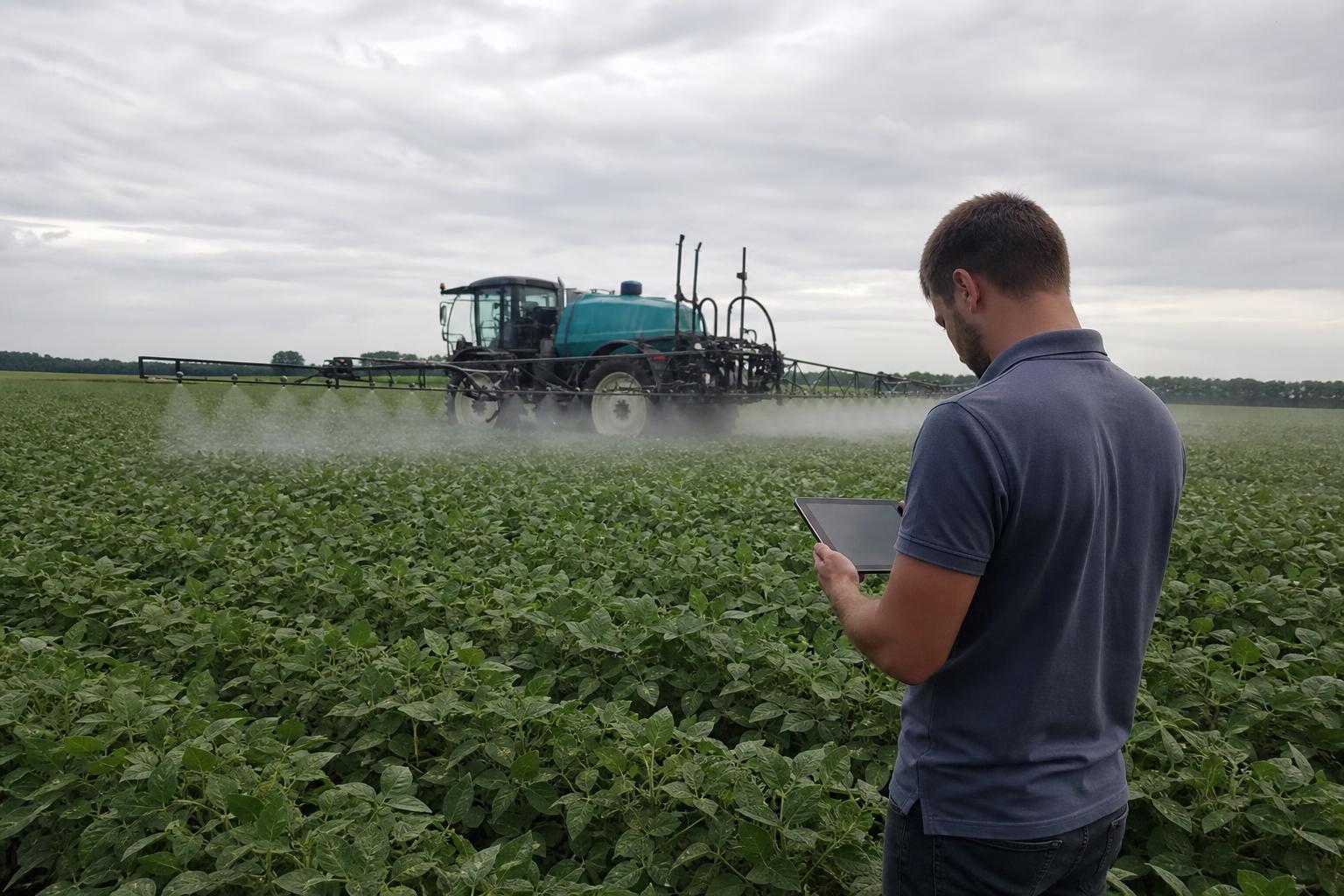
The crop protection market in Ukraine is entering a preparatory phase for new regulations. Industry experts estimate that from 2028, norms regarding the prohibition of certain active substances in pesticides will come into effect, aligning with EU approaches.
For agribusinesses, this means not only a change in the list of available products. A key issue will be evidence-based application of crop protection products: why a particular product was used, against which target pest or disease, based on what observations, and whether alternatives were considered.
Integrated pest management will become a fundamental requirement
The new model centers on integrated pest management. This approach involves applying chemical treatments only after assessing crop conditions, risks, and the necessity of intervention.
Farmers will need to justify their choice of product and active substance. This may include identifying the target pest or disease, documenting the decision to treat, and explaining why it was impossible to manage without such treatment.
For crop protection product sellers, this enhances the role of advisory support. Buyers will expect not just the product but a clear usage scheme that complies with future record-keeping and control requirements.
Record-keeping of crop protection products: increased traceability and reduced improvisation
The anticipated harmonization of Ukraine’s list of active substances with European standards could alter traditional crop protection schemes. Certain products or active substances may become unavailable, requiring advance planning for replacements.
According to expert assessments, the use of crop protection products should be documented in a unified, traceable, and likely electronic system. This means farms should already be organizing their internal documentation: what was purchased, where it was used, in what quantity, and for what purpose.
There is also mention of the possibility of regional permits for certain products. If such a model is implemented, purchasing crop protection products without proper confirmation could become more complicated.
What farmers should do now
- Conduct an audit of active substances in current protection schemes and identify products with potential regulatory risks.
- Enhance crop monitoring: record the appearance of diseases, weeds, and pests, rather than making decisions solely based on calendar timing.
- Maintain a history of crop protection applications across fields, crops, growth stages, and actual reasons for treatments.
- Discuss alternatives with suppliers for herbicide, fungicide, and insecticide protection.
- Do not delay the transition to preventive measures: crop rotation, resistant varieties, weed control, and agronomic practices.
Marketplace context: how this will affect crop protection product purchasing and sales
The value of transparent information about crop protection products will increase in the market: active substance, crop, target pest or disease, application regulations, and documentation availability. For sellers on AgroPost, this is an incentive to make listings more accurate and complete.
Buyers should compare not only prices but also the suitability of products for specific protection systems. This is especially important for farms involved in export chains, credit programs, or support initiatives, where compliance with requirements can be critical.
What this means for the market: the crop protection segment in Ukraine is gradually shifting from a “buy and apply” model to a “justify, record, and confirm” approach. Those farms and suppliers who proactively organize their record-keeping, consider alternatives, and learn to operate within an integrated pest management framework will benefit.
Comments
No comments yetNo comments yet - be the first.