
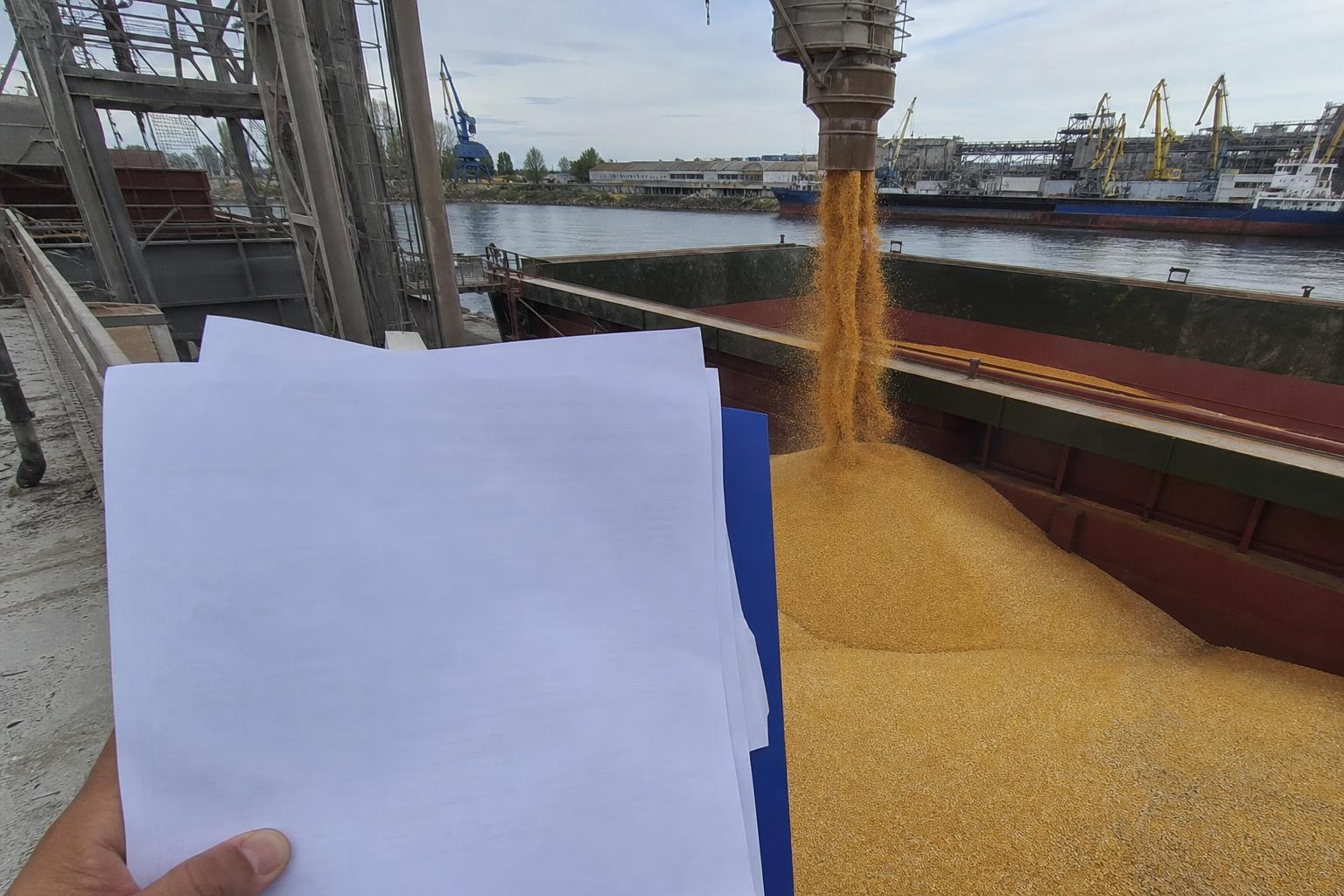
Ukraine’s National Anti-Corruption Bureau (NABU) and Specialized Anti-Corruption Prosecutor’s Office (SAPO) have announced the completion of their investigation into the alleged misappropriation of grain belonging to the State Food and Grain Corporation of Ukraine. The case concerns contracts for the supply of feed corn signed in 2021.
According to investigators, the terms for transferring cargo documents and controlling payment played a key role in the case. This is a practical reminder for grain sellers and buyers to agree not only on price and volume, but also on when title passes and when original documents are released.
What is known about the case
According to investigators, DPZKU signed four contracts with a foreign company. The buyer was required to pay for the goods in full before title passed, but the original bills of lading came into its possession earlier.
Investigators allege that this enabled the vessels to be unloaded and the unpaid grain to be disposed of. According to law enforcement officials, copies of documents bearing forged signatures and seals were left with the corporation, creating the impression that it still controlled the goods.
Investigators estimate that nearly 106,000 tonnes of grain, worth UAH 776 million, were involved. The completion of the investigation is not a court verdict, and the circumstances described remain subject to judicial review.
What contract parties should consider
The case shows why payment terms and document procedures should be set out clearly and consistently. Grain traders should check who receives the original bills of lading and other documents that enable the holder to dispose of the cargo, when they receive them, and on what grounds.
- Set out in the contract the sequence for payment, document transfer and transfer of title.
- Check original documents against the contract and shipment details.
- Specify who is authorized to issue documents and confirm their receipt.
- Keep records of payments, document transfers and cargo acceptance.
Document control in grain trading
For a seller, releasing documents before payment is received can create a risk of losing control of the goods if those documents enable the cargo to be collected or redirected. Buyers, in turn, should agree in advance on payment and document-verification procedures to avoid disputes over payment and title to the grain.
These practical steps do not replace a legal review of a specific transaction. However, they can help parties allocate responsibility more clearly for payments, documents and cargo delivery.
What this means for the market
The DPZKU case is not an indicator of grain prices or export volumes, but it highlights the operational risks of contract trading. For sellers and buyers on AgroPost, it is important to agree in advance on payment and document-handling stages and, before entering into a deal, check how title and the actual transfer of grain will be confirmed.
Comments
No comments yetNo comments yet - be the first.