
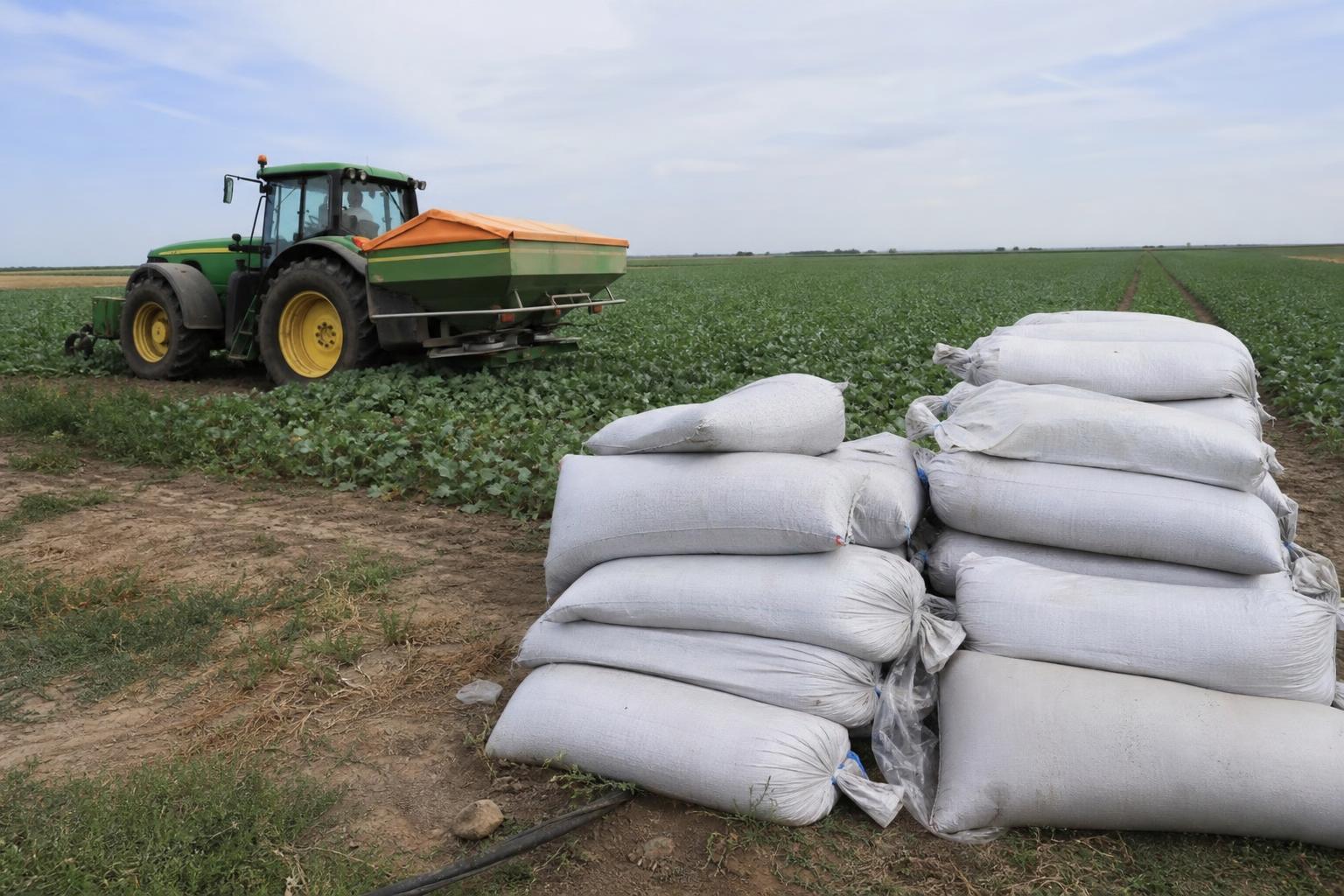
Autumn planting enters a phase where for the fertilizer market, not only price but also product availability, logistics, and delivery speed become crucial. For sellers, this is a period of active short-term deals, while buyers need to check stock levels and reserve specific formulations for particular crops.
One of the indicative signals is the situation in Lviv region. Agricultural enterprises and farms in the area plan to sow 162.1 thousand hectares with winter crops, which is 9.1 thousand hectares more than last year. This dynamic directly increases attention to autumn crop nutrition.
Rapeseed remains a key driver of demand
The autumn planting campaign in Lviv region began with winter rapeseed. As of September 15, nearly 45 thousand hectares have been sown out of the planned 57.5 thousand hectares.
Rapeseed areas in the region are expected to increase by 8.3 thousand hectares compared to last year, with sowing rates already 16% ahead of last season. For the fertilizer market, this means a more active demand for products for initial feeding, especially where farms operate within tight schedules.
Rapeseed traditionally requires a balanced approach to nutrition. In practical procurement, farmers usually focus on comprehensive NPK solutions, nitrogen fertilizers, and sulfur-containing products, but the specific scheme depends on soil analysis, previous crops, and farm technology.
Demand shifts toward quick product availability
When sowing progresses faster than last year, buyers need to see not only the price per ton but also actual stock levels, packaging, payment terms, and delivery options. These parameters often determine whether a deal will close within the optimal window for the agronomist.
For fertilizer sellers on AgroPost, this underscores the importance of regularly updating listings: indicating current availability, shipment regions, minimum order quantities, fertilizer types, and suitability for winter crops. The more specific the offer, the less time is spent on clarifications.
What buyers should check before purchasing
- Fertilizer formulation. For winter crops, it is important to verify the composition against the technological map, rather than buying solely based on the lowest price.
- Documents and origin. Quality certificates and batch markings should match the declared product.
- Logistics. During peak sowing periods, delivery delays can be more critical than slight price differences.
- Storage conditions. This is especially relevant for fertilizers sensitive to moisture and caking.
Key signals for sellers
The current sowing season indicates that demand may not be evenly distributed across the country but concentrated in regions with rapid sowing rates and expanding areas. Western regions, particularly Lviv, may remain active in the segment of fertilizers for winter crops if farms continue to meet their planned sowing volumes.
Sellers should differentiate offers by purpose: fertilizers for rapeseed, winter wheat, main application, or starter fertilization. For buyers, such structuring simplifies search and increases trust in listings.
What this means for the market: autumn planting supports ongoing demand for fertilizers, but the greatest advantage will go to participants who can quickly confirm availability, quality, and delivery. For AgroPost, this is a period when detailed listings of NPK, nitrogen, and specialized products for winter crops have the best chances to find buyers.
Comments
No comments yetNo comments yet - be the first.