
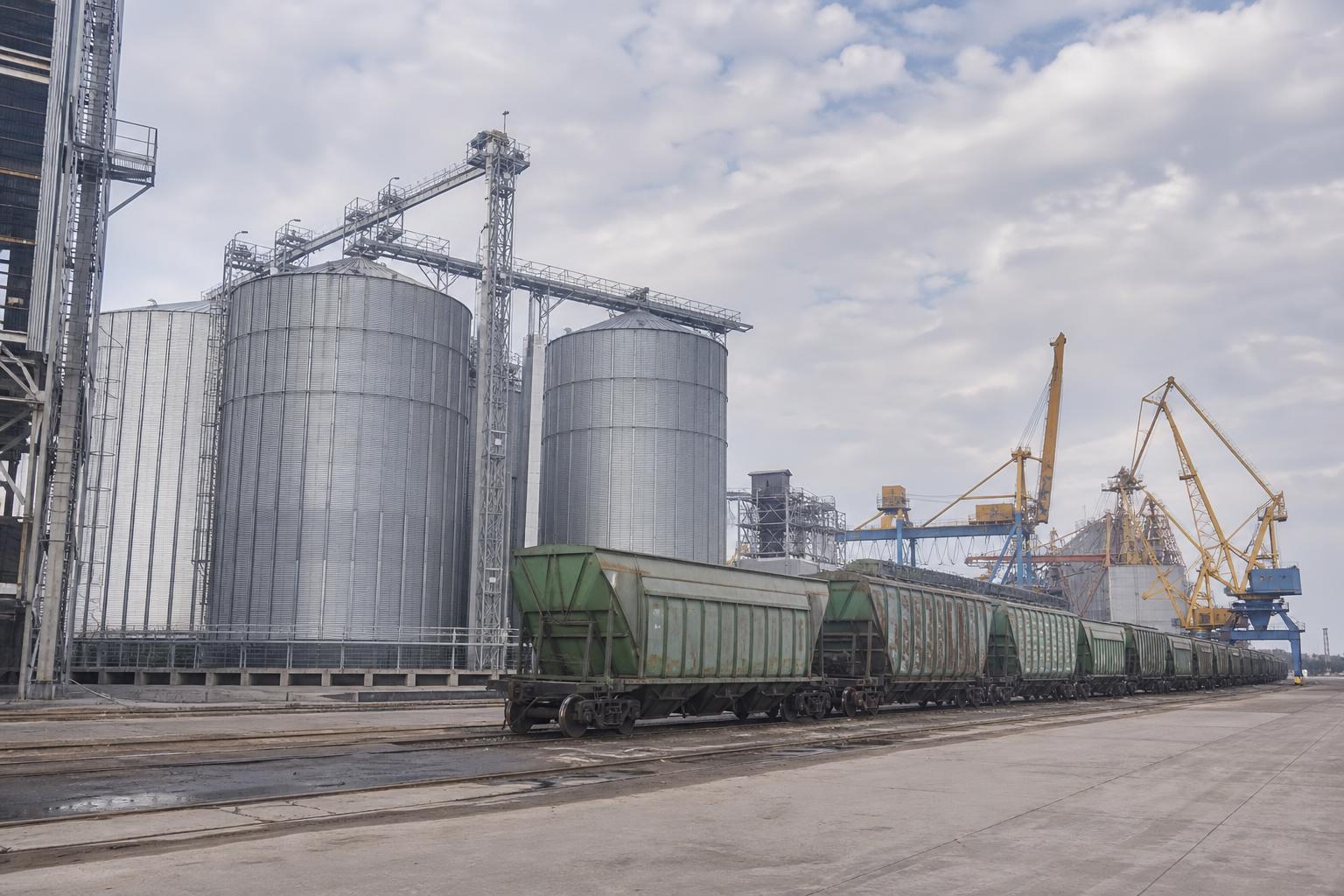
The Ukrainian grain market entered the second half of July with increased attention to logistics. Maritime ports remain the main export channels for agricultural products, but intensified attacks on port infrastructure are already affecting shipment rates.
For grain sellers, elevators, and traders, the key issue now is not only price but also the availability of a safe route, the speed of port acceptance, and the willingness of buyers to assume additional risks.
What is happening with port logistics
According to the Ukrainian Sea Ports Authority, in the first two weeks of July, Russia carried out 23 strikes on Ukrainian sea ports and 17 attacks on civilian vessels. Among those affected are port workers, related enterprises, and crew members of civilian ships.
Despite the attacks, Ukrainian ports continue to operate. As of the first half of 2026, they handled 42.4 million tons of cargo. The largest share of this volume was agricultural products — 23.6 million tons, which is 20% more than in the same period of 2025.
At the same time, the market received a clear signal: even with port operations ongoing, operational risks remain high. This impacts planning of shipments, dispatch queues, insurance, contract execution timelines, and traders’ willingness to actively purchase grain.
Railway shows a decrease in grain loading
"Ukrzaliznytsia" reported a reduction in daily grain loading volumes over the past week. As of July 16, daily loading was 50–60 thousand tons.
The average daily volume since the beginning of July is 61.1 thousand tons, nearly 28% less than in June. According to Ukrzaliznytsia, two factors influenced this trend: increased attacks on port infrastructure and decreased grain sales.
Market participants also note the situation with Chornomorsk port, which significantly reduced grain acceptance after attacks. Other sea ports, according to the Transport Service Center, are operating normally, but their work is complicated by prolonged air raid alerts.
Seller and buyer behavior: increased caution
Commercial activity in the grain market has become more restrained. Traders are more carefully assessing security risks, and some farmers are hesitant to sell grain, waiting for more favorable prices.
For elevators, this means an uneven flow: grain may stay in storage longer than planned, and shipments to port directions require more flexible coordination with carriers and buyers.
For sellers, it is important on AgroPost to clearly specify available volumes, delivery basis, the possibility of rail or road dispatch, and readiness to work with different payment terms and logistics.
Key conclusions for grain market participants
- The port sector remains operational, but security risks increase uncertainty for contracts and schedules.
- Railway grain loading has decreased: current daily volumes are lower than June figures.
- Chornomorsk is the most sensitive point among the mentioned ports due to reduced grain acceptance.
- Farmers are partially holding back grain, and traders are more cautious in forming procurement plans due to logistical and security factors.
- Elevators should update storage plans considering possible delays in shipments.
What this means for the market: Ukraine’s grain sector has not halted export logistics, but July attacks have made the market more cautious. Sellers should quickly secure actual delivery conditions and available batches, buyers should verify logistics routes before concluding deals, and elevators should prepare for flexible inventory and shipment management.
Comments
No comments yetNo comments yet - be the first.