
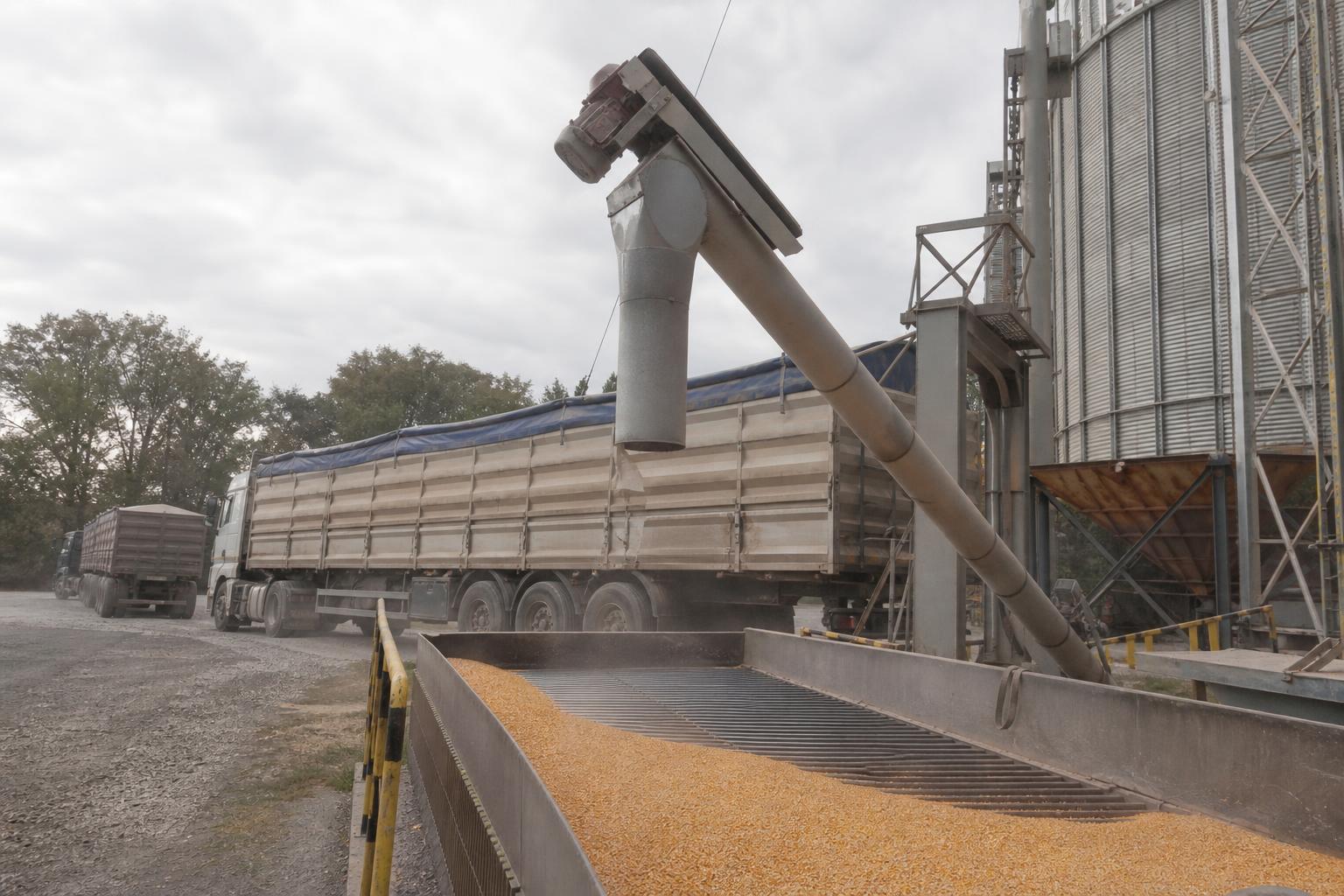
Ukraine’s grain market could enter the next season with substantial carryover stocks. According to the USDA’s November estimate, Ukraine’s ending corn stocks in the 2026/27 marketing year will reach 7.53 million tonnes, while the export forecast has been lowered to 20 million tonnes.
For farmers and trading companies, this makes logistics even more important in practical terms: they need to plan storage, transport and access to buyers in advance, rather than relying on a single sales channel.
Higher stocks mean a longer planning horizon
The USDA kept its forecast for Ukraine’s corn production at 31.8 million tonnes but cut its export estimate by 2 million tonnes. As a result, the forecast for ending stocks rose by 2 million tonnes compared with the October report.
Separately, Agriculture Minister Taras Vysotskyi estimated that carryover stocks as of July 1, 2027, could reach 30 million tonnes of grain and up to 5 million tonnes of oilseeds. This estimate covers a broader group of crops, not just corn.
State purchases will not replace market logistics
According to the minister, purchasing 20 million tonnes of grain at UAH 9,000 per tonne would require UAH 180 billion. He also highlighted the challenge of selling such volumes later, particularly in a scenario where seaports remain closed next year.
This means producers and traders should assess available routes and storage options for each lot separately. As explained, state interventions are not a solution capable of absorbing a surplus of this scale.
What to consider when planning transport
- Match the pace of sales to storage availability. With substantial stocks, it is important to know in advance where and for how long the product can be stored.
- Compare logistics options. Transport terms and the ability to ship may vary depending on the route and timing.
- Do not base plans solely on the export forecast. USDA estimates are forecasts, and actual volumes and sales channels may change.
- Find counterparties and transport in advance. This helps sellers compare offers from carriers and buyers before grain needs to be moved urgently.
What this means for the market
High expected stocks and a lower export estimate make transport and storage planning one of the grain sector’s key challenges. For sellers on AgroPost, this is a reason to post grain offers and transport requests in advance; buyers and carriers, in turn, should clearly specify volumes, routes and terms. This approach will not remove market constraints, but it can make it easier to find suitable counterparties.
Comments
No comments yetNo comments yet - be the first.