
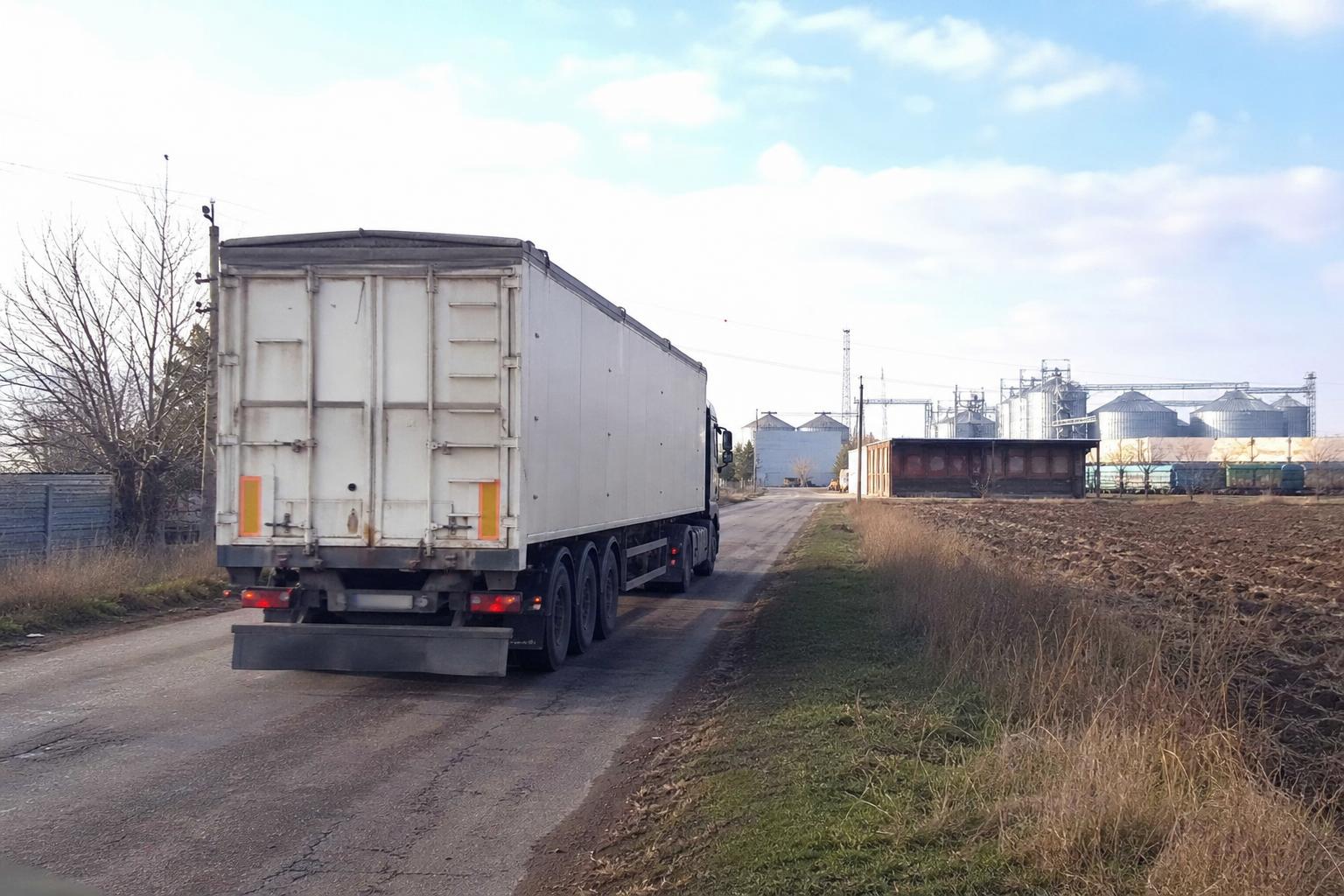
Ukraine’s grain trucking market showed mixed trends last week, with rate changes depending on route length. Monitoring also recorded a larger share of shipments from western regions, while routes from frontline areas became less common.
For grain sellers and buyers, this is a reminder to compare logistics offers not only by rate, but also by specific route and distance.
How trucking rates changed
- Average rates fell by 4% on routes of 201–300 km and 401–500 km.
- Rates rose by 2% on routes of 301–400 km.
- The largest increase, of 6%, was recorded on short routes of up to 100 km and distances of 501–600 km.
The mix of routes in the sample also affected average figures, with more shipments from western regions. Overall rate changes should therefore be assessed by route, rather than treated as a single rate for the entire market.
Western routes gain momentum
The largest interregional freight flow on western routes was from Khmelnytskyi region to Zakarpattia region. Routes from Ternopil region to Zakarpattia and Lviv regions were also active.
Destinations included Chop, Chornotysiv, Stavchany and Mostyska II. When looking for a carrier on these routes, it is worth comparing offers for specific loading and unloading points.
Southern routes and fuel costs
A significant share of grain shipments continued to head south. In Odesa region, the main destinations remained Izmail, Reni and Pivdenne; cargo also came from Chernihiv, Kharkiv, Dnipropetrovsk and Cherkasy regions.
Another market factor was the rise in diesel prices: average prices increased by 0.2–0.9% in almost all regions last week. This is a separate cost indicator, not a confirmed explanation for rate changes on every route.
What this means for the market: grain trucking rates continue to depend on distance and route. Sellers and buyers on AgroPost should compare route offers under the same transport conditions and confirm rates directly before making an agreement.
Comments
No comments yetNo comments yet - be the first.