
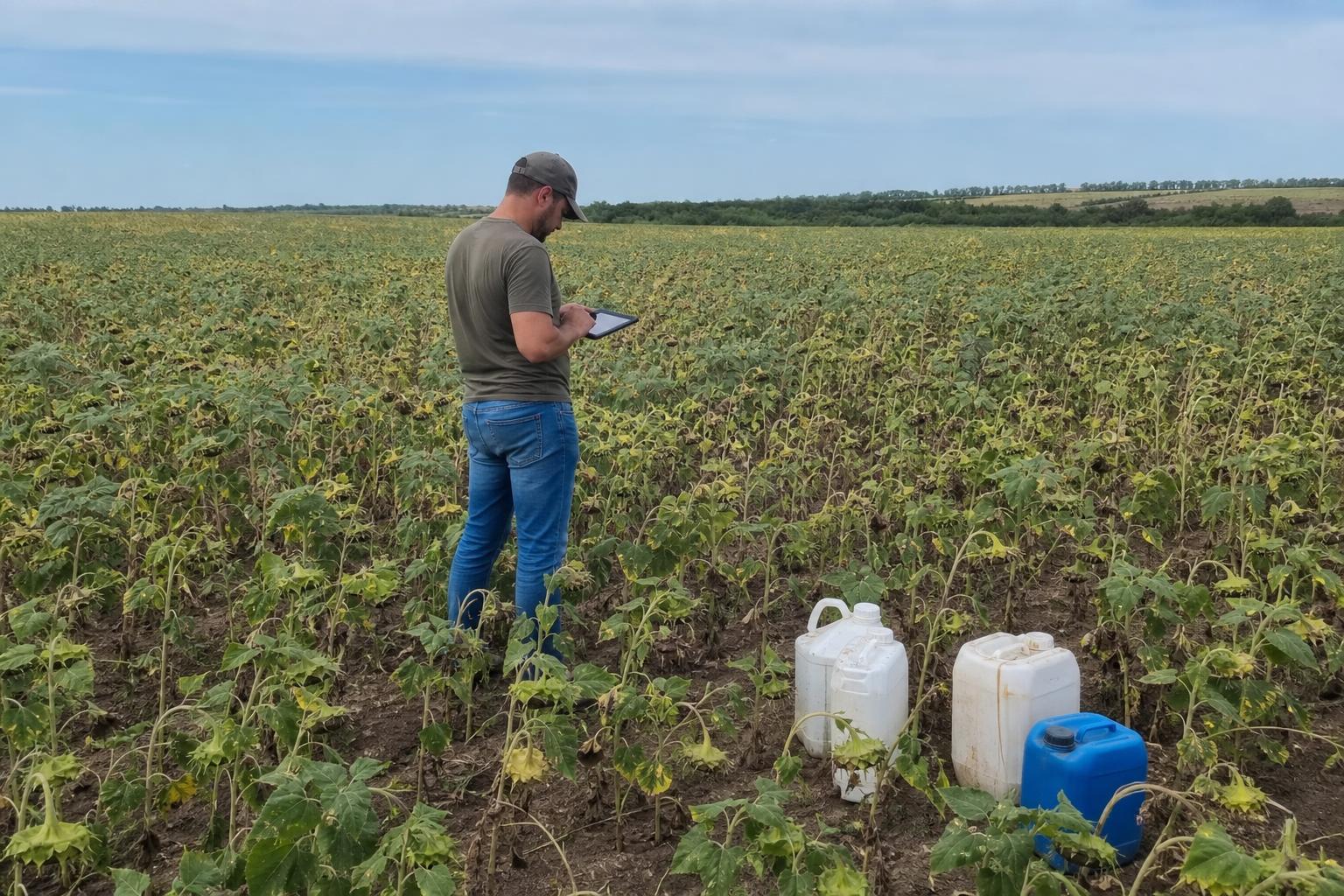
Prolonged heat and water shortages are becoming one of the key factors influencing the plant protection market. For farmers, this is not only a matter of yield but also a reconsideration of technological solutions: when to apply products, which items to keep in stock, and how to avoid unnecessary costs.
For pesticide sellers on AgroPost, this signals the need to more carefully tailor offers to the actual condition of crops in the regions. For buyers — to verify not only prices but also the appropriateness of products under stress conditions of the crop.
Weather Stresses Increase Requirements for Crop Protection
According to reports from agricultural media, water shortages and prolonged heat have negatively impacted potato crops in most regions of Ukraine. It was also noted that potato yields could be up to 30% lower than last year.
This is a significant context for the pesticide market: under stress conditions, standard protection schemes do not always work as effectively as during seasons with sufficient moisture. Farms need to assess the crop development stage, temperature during application, and overall plant condition more carefully.
European experience confirms that heat alters production schedules. In the UK, due to drought and high temperatures, harvests in the south and east started two to three weeks earlier, with some farmers working at night to avoid the highest daytime temperatures.
What Does This Mean for Pesticide Buyers
Buyers should plan purchases not only according to the calendar but also based on the actual field condition. If the crop is under stress from heat or drought, decisions regarding herbicides, fungicides, or insecticides should be aligned with the manufacturer’s recommendations and the agronomic situation.
Special attention should be paid to application conditions. High temperatures, dry soil, and weak plant turgor can affect treatment efficacy and increase phytotoxicity risks. This does not eliminate the need for protection but makes precise application critically important.
- Check the application regulations for the specific product and crop development stage.
- Avoid purchasing pesticides “just in case” without a clear usage plan.
- Confirm availability and delivery times, especially for products needed within narrow technological windows.
- Compare offers based on active ingredients, packaging, shelf life, and storage conditions.
What Sellers on AgroPost Should Consider
Pesticide sellers should focus on clear and practical information in their listings. During periods of weather instability, buyers respond more quickly to offers that specify crop type, active substance, packaging, availability, shipment region, and current price.
Additionally, farms adjusting their technology based on actual crop conditions may generate demand. Therefore, it is important not only to list the product but also to explain its purpose within the permitted regulations: for which crops and against which pests it is registered.
At the same time, it is not advisable to promise effects that are not supported by instructions or field conditions. In the plant protection segment, trust in the seller depends directly on accurate descriptions and the absence of exaggerations.
Regulatory Context: The Market is Paying Closer Attention to Permits
In the UK, in 2026, specialized agencies granted emergency approval for a second application of Insyst SG on sugar beets. This example demonstrates that under pest pressure or weather risks, regulatory decisions can influence protection strategies.
For Ukraine, the practical takeaway is straightforward: before purchasing and applying a product, verify its registration, recommended crops, and current restrictions. This is especially important for farms involved in export chains or with strict residue requirements.
Key Market Takeaways
- Heat and water shortages increase the importance of precise treatment planning.
- Pesticide buyers should base decisions on field conditions, not just the calendar schedule.
- Sellers need to update listings with current availability, prices, and clear product descriptions.
- Registration checks and application regulations remain mandatory before using any pesticide.
Implications for the Market
The plant protection market in Ukraine is entering a period where weather factors can rapidly change farm needs. On AgroPost, this increases the value of high-quality listings, transparent availability, and professional communication between sellers and buyers of pesticides.
Comments
No comments yetNo comments yet - be the first.