
Ukraine, the United Kingdom and Latvia have agreed to jointly verify the geographical origin of certain batches of agricultural products. The aim is to identify grain and seeds that may have been illegally taken from temporarily occupied territories of Ukraine.
For grain market participants, this is primarily a signal to pay closer attention to verifying the origin of goods. At the same time, the agreement itself does not set out new mandatory procedures for every seller or exporter.
Which crops will be checked
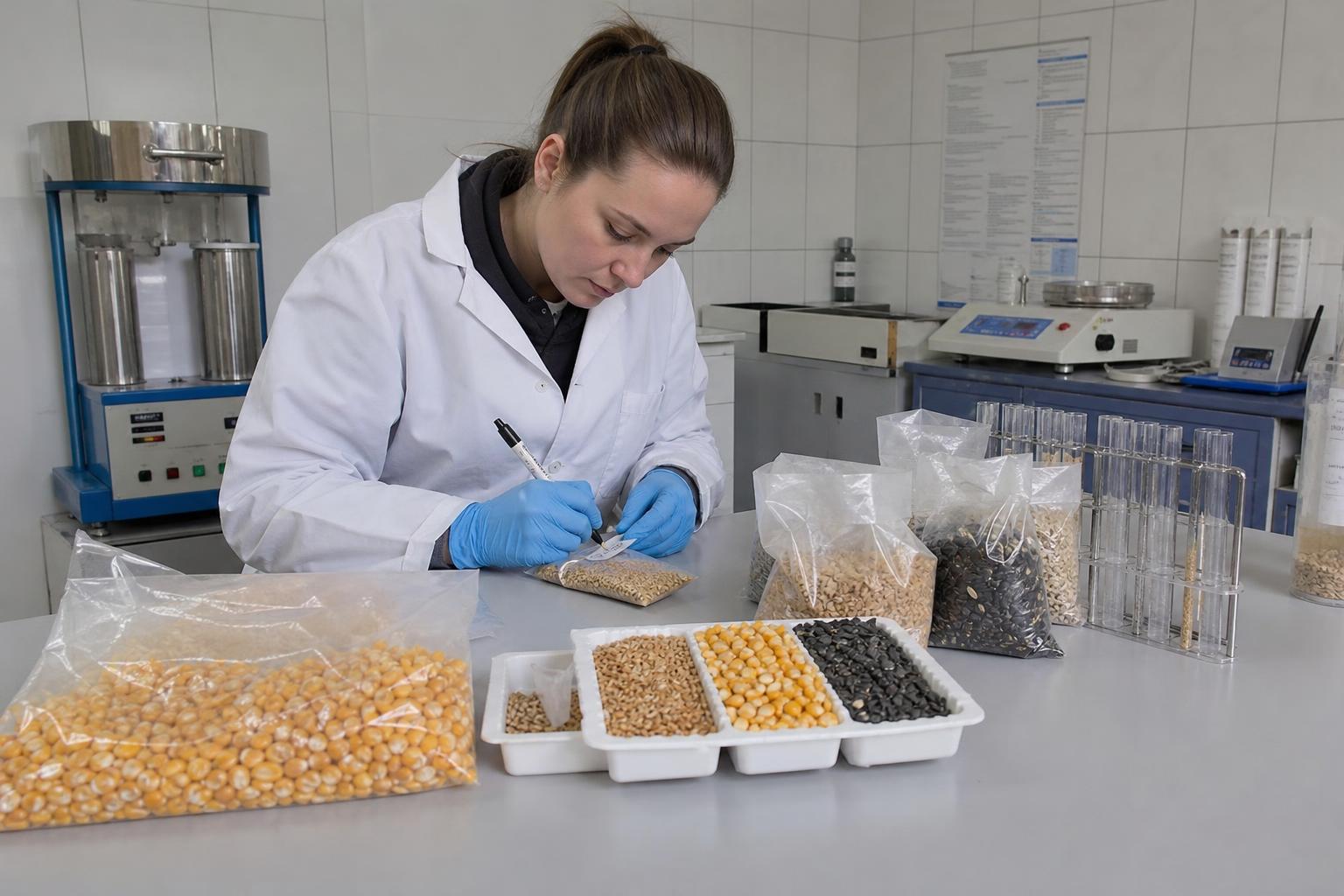
Under the Grain Verification Scheme, wheat, corn, barley and sunflower seeds are to be checked. The origin of samples will be determined using isotope and chemical analyses, with results compared against a database of products of verified origin.
The participation of the three countries involves sharing scientific data, coordinating laboratories and cooperation between the relevant authorities. If batches of questionable origin are identified, the parties are to coordinate their next steps.
Practical guidance for sellers and buyers
When preparing deals involving these crops, sellers should organize the documents and data needed to trace a batch’s origin. Buyers should clarify in advance what proof of origin is available and whether it meets the requirements of the specific contract.
The announcement does not specify when checks will begin in practice, how samples will be collected or whether exporter procedures will change. The agreement should therefore not be interpreted as the introduction of mandatory certification for all batches.
What this means for the market
For trade in wheat, corn, barley and sunflower seeds, a verifiable chain of origin is becoming increasingly important. Reliable documentation can make it easier for trading partners to check a batch, but the scheme’s actual impact will depend on its launch and the practical rules governing its operation.
Comments
No comments yetNo comments yet - be the first.