
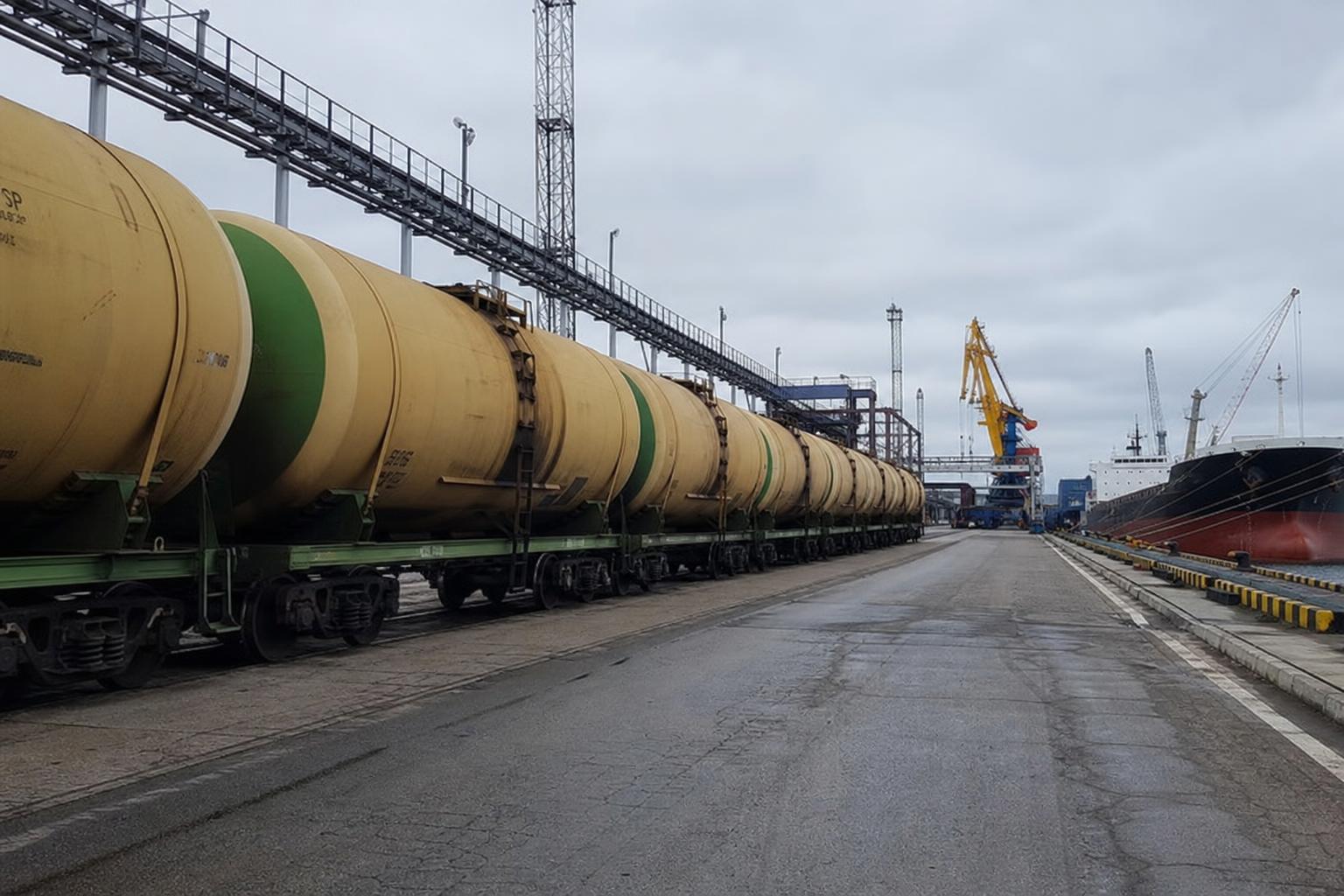
In the materials related to the agricultural market, a government decision to give oils priority during rail and port transportation is mentioned. However, the available description does not include specific rules, validity periods, or a list of cargoes.
For sellers and buyers, this signals the need to verify logistical conditions before agreeing on a delivery schedule. The fact of prioritization alone does not specify how the timelines or costs of transportation will change.
What is known about the decision
The headline of the related message states that oils have been given priority in rail transportation and through ports. No other confirmed details are provided in the transmitted material.
Specifically, the effective date, duration, application procedures, and which specific oil cargoes are covered by the decision are not indicated.
What to check before shipment
- Whether the priority applies to a specific type of cargo and chosen route.
- What documents and conditions are required for its application.
- Whether the availability of wagons, port handling, and cargo submission date are confirmed.
- What tariffs and additional costs are included in the commercial proposal.
Practical guidance for market participants
Sellers should coordinate the shipment deadline after confirming the route and available logistics resources. Buyers should align the delivery schedule with contract terms and clarify who is responsible for organizing transportation.
Until the details of the decision are confirmed, it is not advisable to automatically factor in shortened timelines or reduced logistics costs into the deal calculations.
What this means for the market
The mentioned priority could be important for planning the transportation of oil cargoes, but the provided information is insufficient to assess its practical impact on timelines, tariffs, or route availability. Market participants need confirmation of specific conditions from carriers and port operators.
Comments
No comments yetNo comments yet - be the first.