
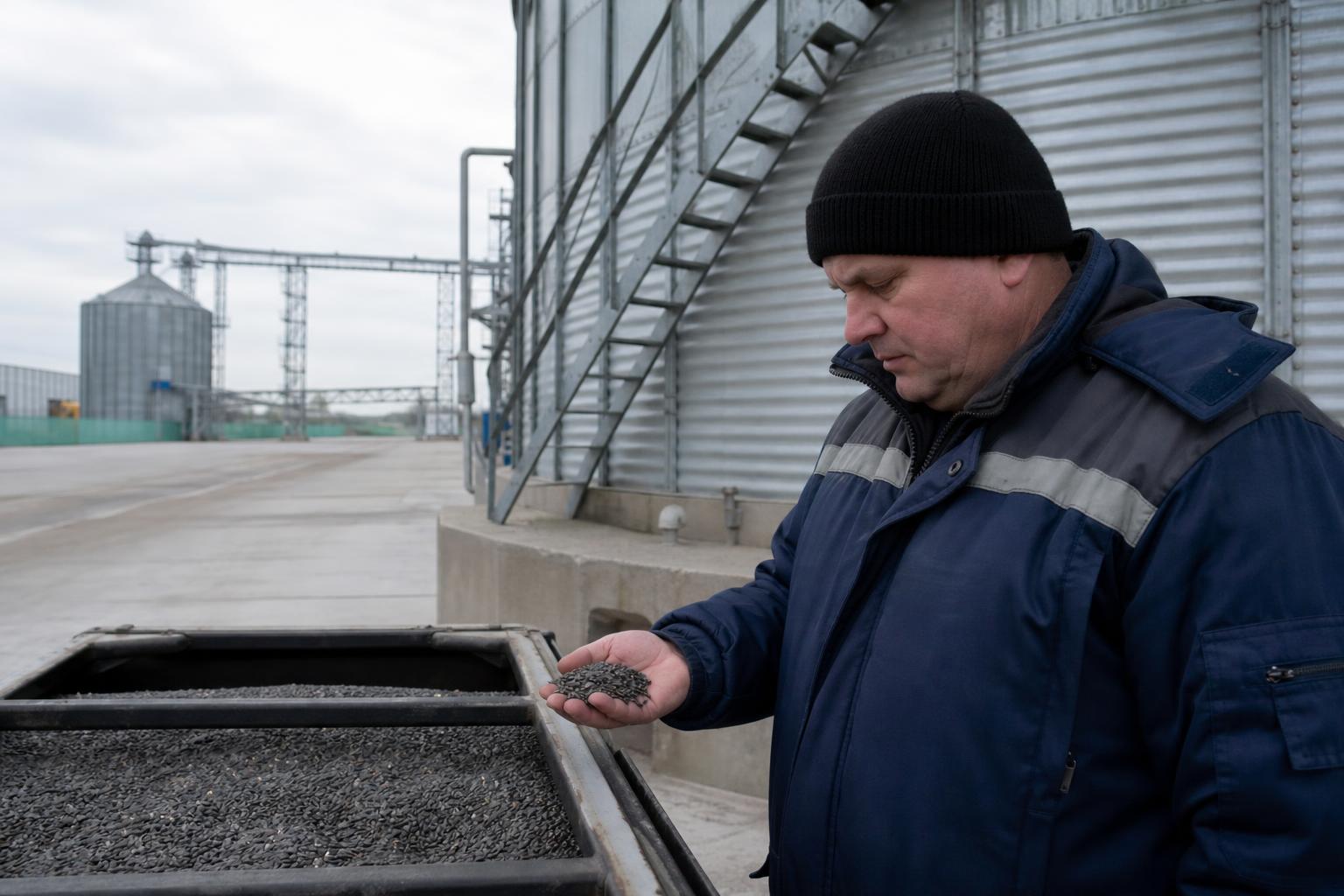
Phytosanitary requirements can change the terms of sunflower trade. According to the source, Kazakhstan planned to suspend the issuance of phytosanitary certificates for seed and food-grade sunflower shipped from Russia from 23 October 2026, following detections of phomopsis in imported consignments.
For Ukrainian market participants, this does not mean that shipments from Ukraine will automatically face restrictions. The practical takeaway is to carefully check the product’s origin, accompanying documents and the destination country’s requirements before concluding a deal.
Phomopsis and requirements for sunflower consignments
The report cites 23 detections of sunflower phomopsis (Diaporthe helianthi) in consignments from Russia recorded in Kazakhstan in 2025–2026. Kazakhstan described the planned suspension as a preventive measure to protect phytosanitary security.
For sellers on AgroPost, it is important to find out in advance which documents the buyer requires and what rules apply to the specific destination. Buyers should confirm the consignment’s origin and check that the required phytosanitary documents are in place before shipment.
Monitoring does not end after harvest
Phytosanitary risks should also be considered during storage. According to an expert, plant impurities in sunflower can retain moisture and contribute to seed damage and mould. Self-heating is also one of the main risks when storing the crop for extended periods.
Before accepting or storing a consignment, it is advisable to assess its condition, moisture content and impurity levels. During storage, regularly monitor the temperature and look for signs of spoilage. This can help identify quality issues earlier, although it does not replace laboratory testing or the requirements of a specific buyer.
What to check before a deal
- The sunflower’s origin and shipping route.
- Phytosanitary documents and the destination country’s requirements.
- Seed condition, plant impurities and moisture levels.
- Storage conditions and the ability to monitor the consignment before shipment.
What this means for the market: phytosanitary status can affect whether consignments are admitted to specific trade destinations, while the condition of the sunflower affects its storability and quality. Sellers should make the documents and consignment specifications clear to buyers, while buyers should check them before agreeing on the price and logistics.
Comments
No comments yetNo comments yet - be the first.