
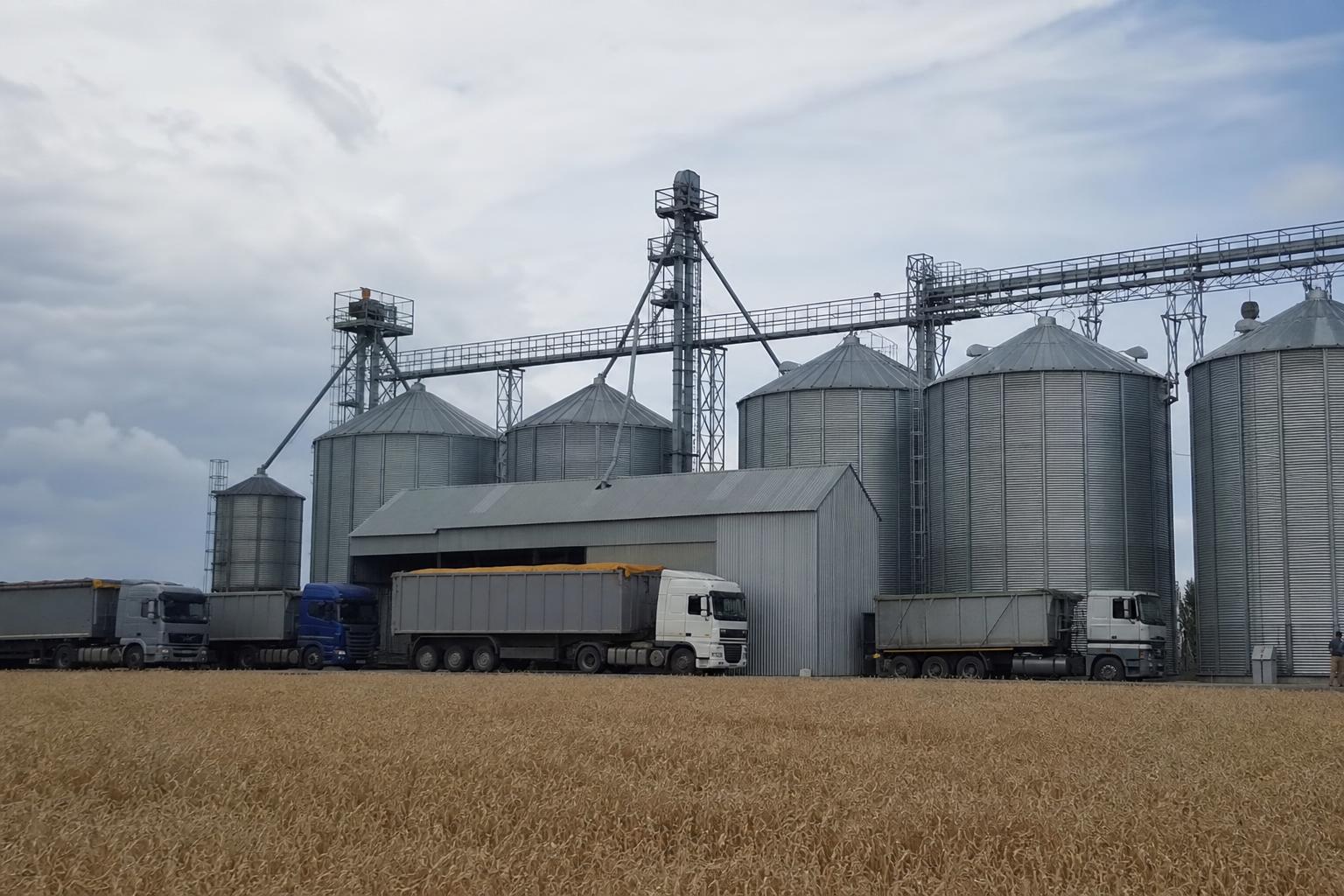
The global wheat market is once again closely watching the Black Sea region. Chicago futures for wheat, according to market reports, have risen to a three-year high amid fears of disruptions in grain supplies from the area.
For Ukrainian agricultural producers, traders, and elevators, this is not an automatic guarantee of higher domestic prices but an important signal for negotiations, planning shipments, and assessing logistical risks.
What happened in the global wheat market
Chicago wheat futures continued their upward trend, reaching the highest level since July 2023. According to market reports, quotes increased by another 2.6% after a jump of 6.4% the previous day.
Since the beginning of the month, wheat has risen in price by 19%. The main factor currently considered by traders is the risk of new restrictions on Black Sea exports.
Russia and Ukraine together account for over a quarter of the world's wheat exports. The region is also important for trading barley, corn, and sunflower oil, so any disruptions quickly influence importers’ expectations.
Why the Black Sea remains a key price factor
Black Sea grain has traditionally been among the most affordable for buyers from the Middle East, Africa, and Asia. When supplies from the region become more difficult, importers are forced to consider alternative routes.
Among such alternatives are Australia and Argentina. However, more distant routes usually entail higher transportation costs, which can support the overall level of global prices.
For Ukraine, not only the level of exchange quotes is critical but also the actual ability to quickly and safely deliver grain to the export channel. Logistics specifically creates the difference between the global indicator and the price seen by regional sellers.
What grain sellers should pay attention to
- Basis and delivery location. The same exchange dynamics are reflected differently in elevator prices, port prices, or on FOB terms.
- Shipment deadlines. During high volatility, buyers may more strictly fix delivery schedules and penalty conditions.
- Quality of the batch. During price fluctuations, buyers pay closer attention to class, protein content, moisture, and contamination.
- Logistics costs. Even with rising external quotes, increased transportation costs can reduce the net price for farms.
For sellers on AgroPost, it is advisable to update listings with clear details on crop type, volume, quality, location, and preferred delivery conditions. This reduces clarification time and helps quickly compare real offers from buyers.
What buyers and elevators should focus on
Grain buyers should prepare for more active competition for quality batches if external markets continue to price in risk premiums. At the same time, sharp futures movements do not always translate immediately into domestic prices.
Elevators in such situations should transparently communicate acceptance, storage, processing, and shipment conditions. For sellers, a clear logistical proposal can be just as important as price differences.
Buyers on AgroPost are encouraged to specify not only the price but also the basis of purchase, quality requirements, minimum batch size, and payment terms. This helps attract relevant offers from producers.
What this means for the market. The rise in global wheat prices due to Black Sea risks increases attention to Ukrainian grain, but the internal outcome for sellers will depend on logistics, quality, and contract conditions. In the near future, market participants should act based on precise price calculations considering delivery, elevator costs, and actual demand.
Comments
No comments yetNo comments yet - be the first.