
The Moldovan railway route remains one of the corridors for transporting Ukrainian grain to external markets. For sellers, traders, and elevators, it is important to understand not only the availability of transit but also the rules governing its operation.
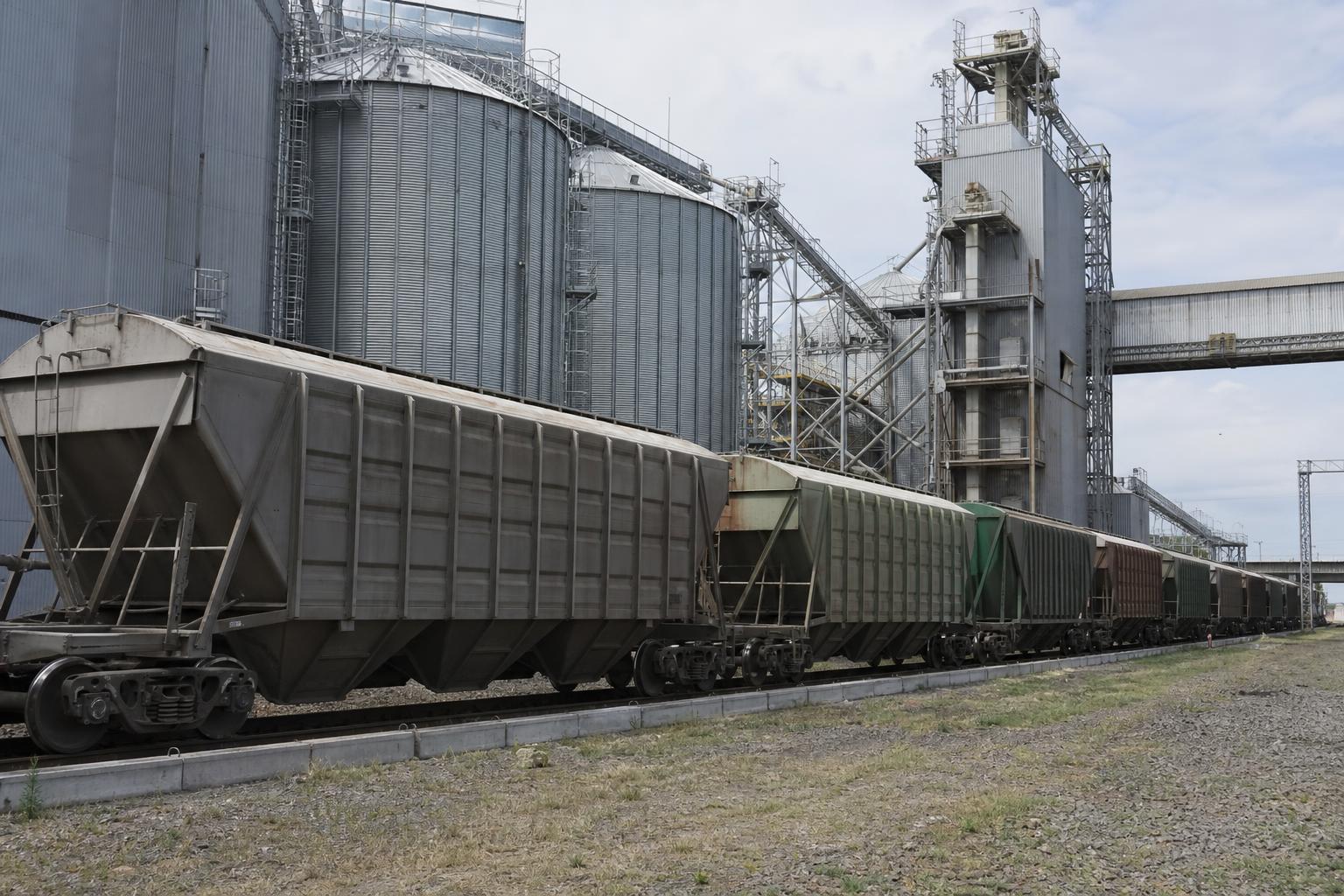
According to Moldovan Railways CFM, local farmers have priority in grain transportation, and Ukrainian transit freight moves in Ukrainian wagons. This means that when planning contracts, Ukrainian exporters should separately account for wagon resources, tariffs, and border logistics.
How CFM Explains the Transportation of Ukrainian Grain
The Moldovan side states that CFM wagons designated for grain transportation are reserved for Moldovan producers and companies. Ukrainian transit, by this logic, does not reduce the available fleet for the local market, as it is carried out using Ukrainian wagons.
CFM also reported that the Moldovan railway network is currently utilized at approximately 20%. The company believes that this level of utilization is sufficient to serve both Moldovan grain and transit freight.
It is also emphasized that the transit of Ukrainian grain through Moldova does not constitute import into the Moldovan market. It involves the movement of cargo to external buyers.
Priorities and Tariffs: What to Consider
According to CFM, if applications are submitted for the same route and through the same border crossing point, priority is given to companies from the Republic of Moldova. For Ukrainian market participants, this is an important factor when coordinating shipment schedules with elevators or railway stations.
The declared rates also differ. For exporting grain from Moldova, the rate is indicated as 15.30 CHF/ton, while for transit of Ukrainian freight, it is 20.64 CHF/ton. CFM clarified that the rate of 11.72 CHF/ton, publicly mentioned, does not represent the full transportation cost, as it does not include the use and return of Ukrainian wagons.
For sellers on AgroPost, this means that when forming grain offers with delivery or self-pickup terms, it is necessary to clearly separate the product price, the railway component, and wagon resource costs. For buyers, it is important to verify whether the full logistics cost is included in the commercial proposal.
Key Takeaways for Elevators and Traders
- The route through Moldova remains transit: CFM separates Ukrainian freight from imports to the Moldovan domestic market.
- Ukrainian freight moves in Ukrainian wagons, so ensuring wagon availability remains part of the planning process.
- Moldovan companies have priority under the same route and border crossing conditions.
- Tariffs should be calculated comprehensively, considering wagon use and return.
- The current network utilization of CFM is approximately 20%, but this does not eliminate the need for advance scheduling.
What to Consider in Grain Contracts
In contracts involving grain shipments potentially passing through Moldova, it is advisable to specify responsibility for wagon supply, transit payments, wagon return, and possible border schedule changes.
Elevators should synchronize batch accumulation with confirmed logistics windows. If the product is already contracted but the route is not confirmed, the risk of schedule shifts remains with the parties involved.
What this means for the market: the Moldovan route can remain a viable option for Ukrainian grain exports but is not automatically cheaper or inherently prioritized. For sellers and buyers on AgroPost, the key is to calculate full logistics costs, verify transit conditions, and avoid including unconfirmed tariffs in prices.
Comments
No comments yetNo comments yet - be the first.