
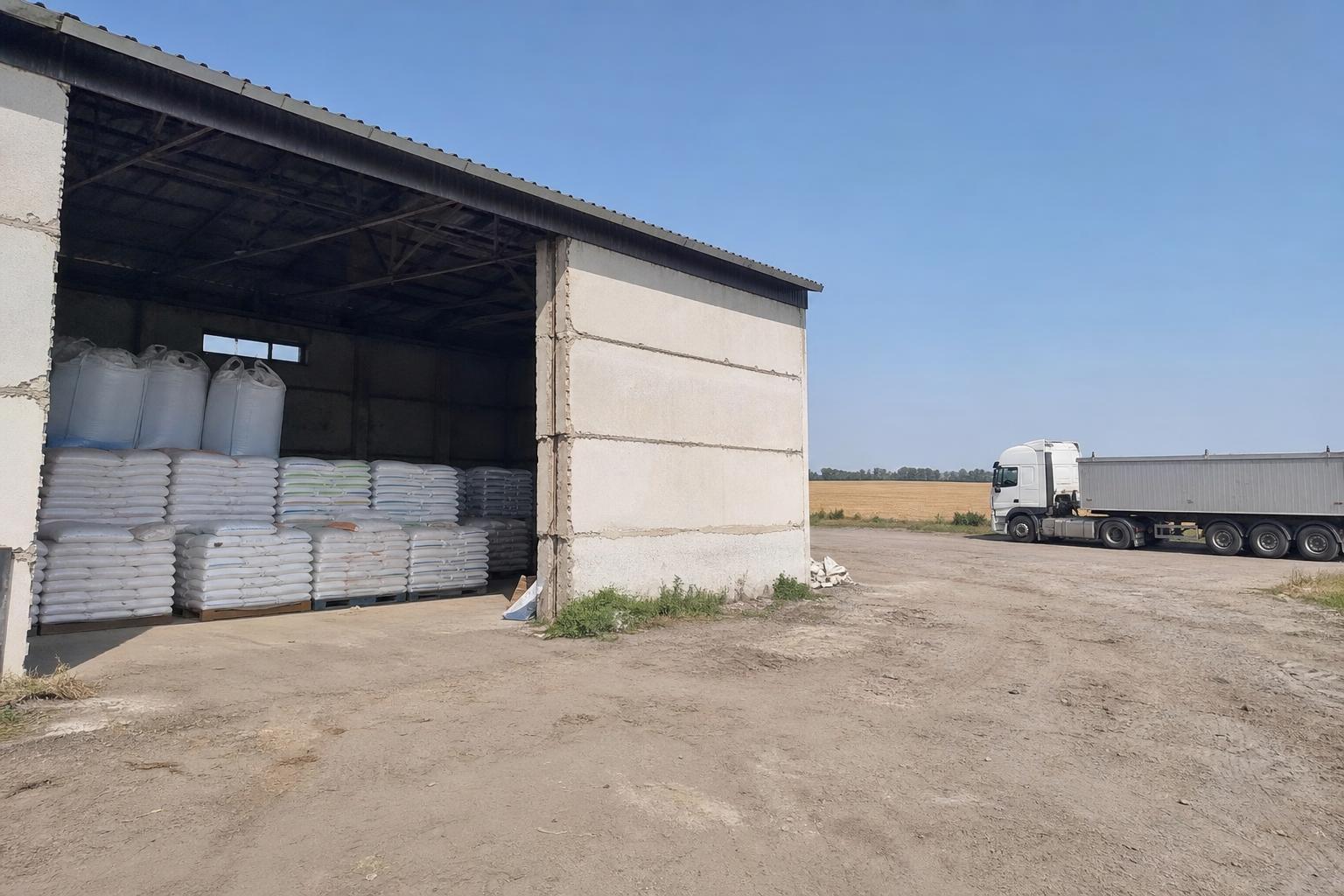
The Ukrainian fertilizer market is entering a period when demand increasingly depends not only on agronomic needs but also on the financial condition of farms after the start of the harvest. For sellers of nitrogen fertilizers, NPK, and related agrochemicals, the key question is: when will farmers receive funds from grain sales, and are they ready to lock in purchases for the upcoming sowing season?
In the available market data, there are no direct quotations for fertilizers; however, an important grain market signal exists. The pressure of the new wheat harvest has intensified in Ukraine: buyers are more cautious, supply from farmers is increasing, and prices at ports for certain wheat classes have decreased amid expectations of more active harvests.
Grain Market Context: Why It Matters for Fertilizers
According to grain market participants, feed wheat on DAP port terms has fallen to $214/ton, third-class wheat is traded around $217/ton, and second-class wheat is at $218/ton. The main factors cited are the start of the new marketing season, the approaching harvest, and expectations of increased supply.
For the fertilizer market, this is not a direct price formula, but an important indicator of buyer’s solvency. If farmers more actively sell remaining old crop or await results of the new harvest, fertilizer purchases may become more selective: smaller batches, shorter planning horizons, increased focus on deferred payments or delivery.
What Nitrogen and NPK Buyers Should Consider
Fertilizer buyers should not delay technical preparations for procurement, even if decisions on large volumes are not yet made. First, clarify crop needs, remaining stock, transportation availability, and application timing requirements.
For farms planning autumn sowing, it is especially important to divide procurement into critical and secondary items. Critical products are those essential for maintaining sowing technology or basic nutrition. Secondary items can be purchased after grain sales or when clearer price signals emerge.
- Do not rely solely on price per ton. Consider delivery conditions, packaging, minimum order quantities, and stock availability.
- Verify documents. For mineral and complex fertilizers, quality certificates, labeling, and compliance with declared composition are critical.
- Plan logistics in advance. During peak periods, transportation demand can influence the actual cost of fertilizer in the farm.
- Compare alternatives. For some crops, it is advisable to evaluate not only NPK formulas but also the availability of separate nitrogen, phosphorus, or potassium solutions.
Implications for Sellers on AgroPost
Fertilizer sellers should prepare offers tailored to more cautious buyers. Amid market uncertainty, farmers may compare options longer, request smaller batches, or clarify the possibility of quick delivery after harvest.
Listings on the marketplace should address practical questions even before the first call. For fertilizers, this primarily includes warehouse location, form, country or manufacturer origin, packaging, available volume, storage region, payment and delivery terms. The more transparent the offer, the easier it is for the buyer to make a decision during periods of limited liquidity.
For fertilizer sellers, it is now important to sell not only the product but also predictability: availability, documentation, logistics, and clear payment conditions.
Key Takeaways for the Fertilizer Market
- There are no direct market quotations for fertilizers in the collected sources, so price conclusions require separate verification.
- The grain market shows buyer caution and pressure from the new wheat harvest, which may influence the pace of resource procurement.
- Buyers should plan fertilizer purchases based on priority rather than just current price.
- Sellers should focus on product availability, transparent characteristics, and flexible delivery conditions.
Implications for the market: in the fertilizer segment, near-term demand in Ukraine will likely be determined not only by price factors but also by the combination of sowing needs, harvest results, grain sales, and available working capital. For AgroPost, this is a period when well-prepared fertilizer listings can gain an advantage over less detailed offers.
Comments
No comments yetNo comments yet - be the first.