
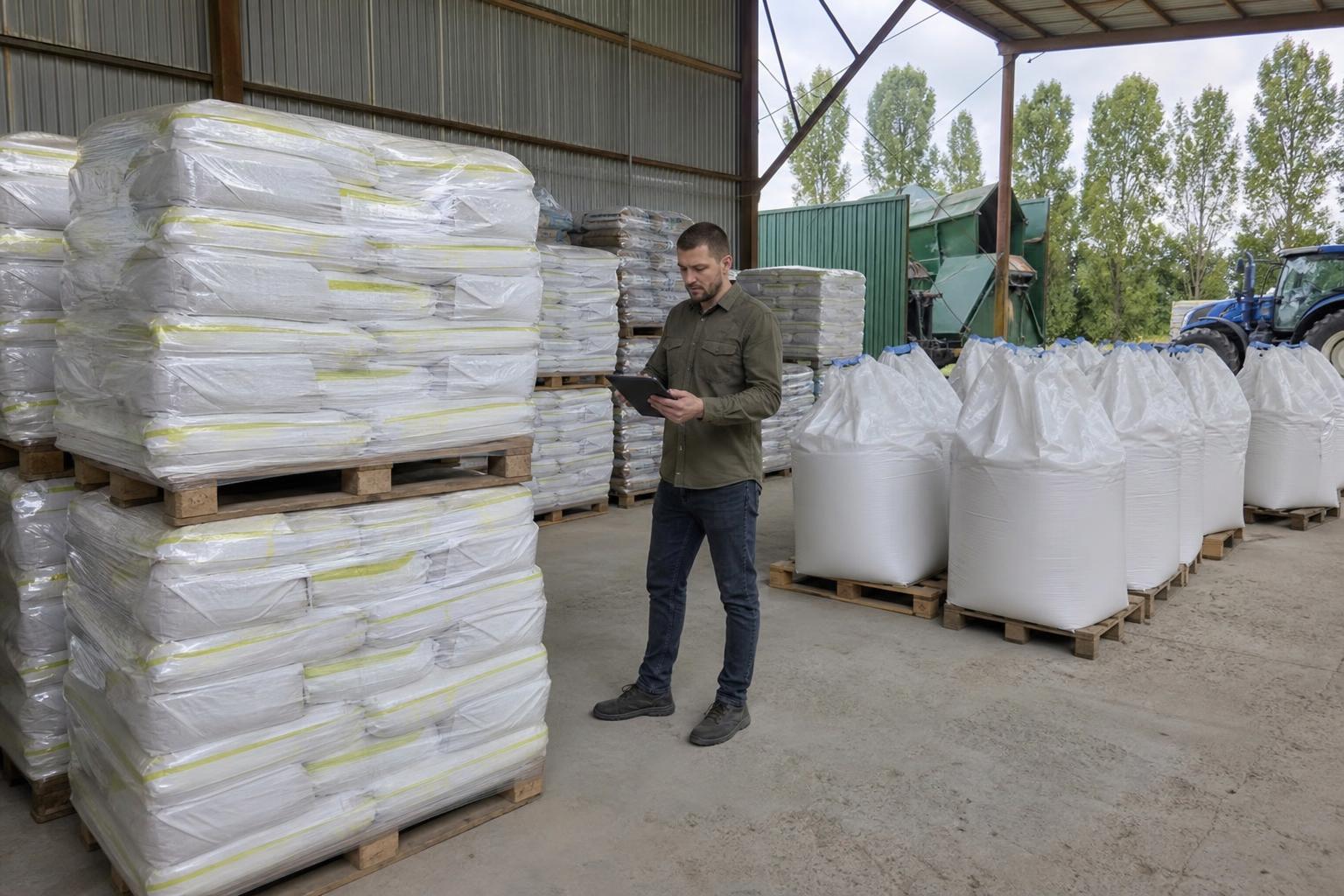
The fertilizer market in Ukraine is entering a period of more active planning for the upcoming field works without clear public price benchmarks in available sources. Therefore, the key practical signal for buyers and sellers should be sought in a related factor — the financial condition of the grain segment, which forms a significant part of the demand for nitrogen and NPK.
For AgroPost, this means that fertilizer listings should be as specific as possible: product type, active substance content, packaging, minimum order quantity, shipment region, and delivery terms. During a season when farmers are more cautious with expenses, transparency in offers can become a competitive advantage.
Grain background: why it matters for the fertilizer market
According to analysts, in the 2025/26 marketing year, Ukraine exported nearly 14 million tons of wheat. An unusually large share of shipments fell on the last quarter of the season — 4 million tons, or 29% of total exports.
At the same time, carry-over wheat stocks at the end of the season were estimated at 2.3 million tons, approximately 1 million tons higher than the previous year’s level. Such grain reserves can exert additional pressure on prices at the start of the new season when the new harvest arrives on the market.
For fertilizer buyers, this is not a direct price indicator but an important background for budgeting. If a farm expects lower revenue from grain or slower sales of the harvest, it more often postpones some purchases, seeks deferred payments, or switches to more precise fertilization rates.
What this means for nitrogen and NPK fertilizer sellers
Fertilizer sellers should prepare for more selective demand. Farmers may compare not only price per ton but also the cost per unit of nutrients, regional availability, and transportation costs.
It is especially important to clearly differentiate proposals based on their purpose: nitrogen fertilizers for top dressing, complex NPK for main application, micro-fertilizers for correcting deficiencies, and water-soluble products for specialized crops.
- For large batches — specify the shipment basis, delivery options, and approximate timelines.
- For small and medium buyers — include information on packaging, minimum order quantities, and stock availability.
- For NPK — always specify the formula, as buyers compare not brands but nutrient balance tailored to the crop.
- For nitrogen — buyers care not only about price but also about the form of fertilizer, storage conditions, and application timing within the optimal window.
What buyers should pay attention to before sowing
The main risk for farms is purchasing fertilizers solely based on the lowest price without verifying actual field needs. During margin pressure, it is advisable to start with agrochemical analysis, planned yield, and available budget.
Buyers on AgroPost should compare offers across multiple parameters, not just cost per ton. For complex fertilizers, it is important to calculate the cost per unit of N, P, and K; for nitrogen — logistics, product form, and timely application options.
- Check the current crop nutrition requirements;
- Calculate separately for main application and top dressing fertilizers;
- Confirm availability of the batch before payment;
- Compare the price including delivery to the farm;
- Request quality and origin documents;
- Avoid delaying critical purchases until peak periods.
Key conclusions for AgroPost
- Demand for fertilizers in Ukraine remains linked to the grain economy.
- Potential pressure on wheat prices increases farmers’ focus on the efficiency of every hryvnia invested in nutrition.
- Sellers should make listings as detailed as possible to facilitate quicker decision-making by buyers.
- Buyers should evaluate not only fertilizer prices but also the total cost of application, including logistics and active substances.
What this means for the market. The Ukrainian fertilizer market may remain active but more rational: farmers will purchase what directly supports yield and fits within their cash flow. For sellers, this season is about precise specifications, confirmed availability, and flexible terms of agreement.
Comments
No comments yetNo comments yet - be the first.